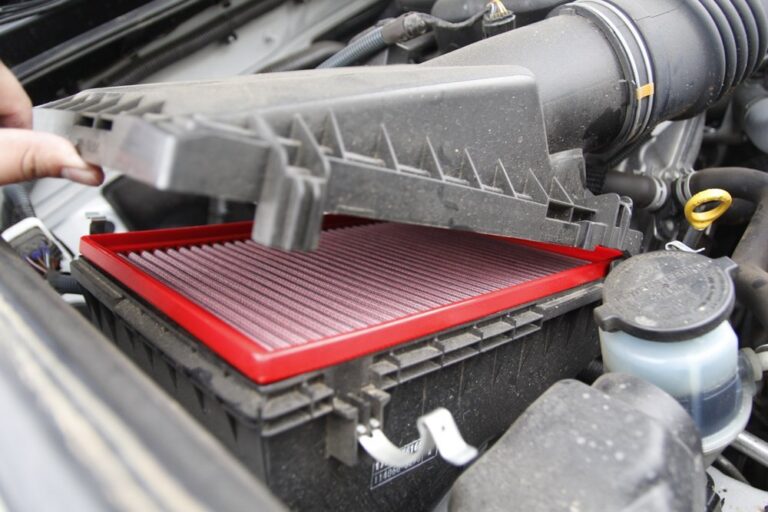
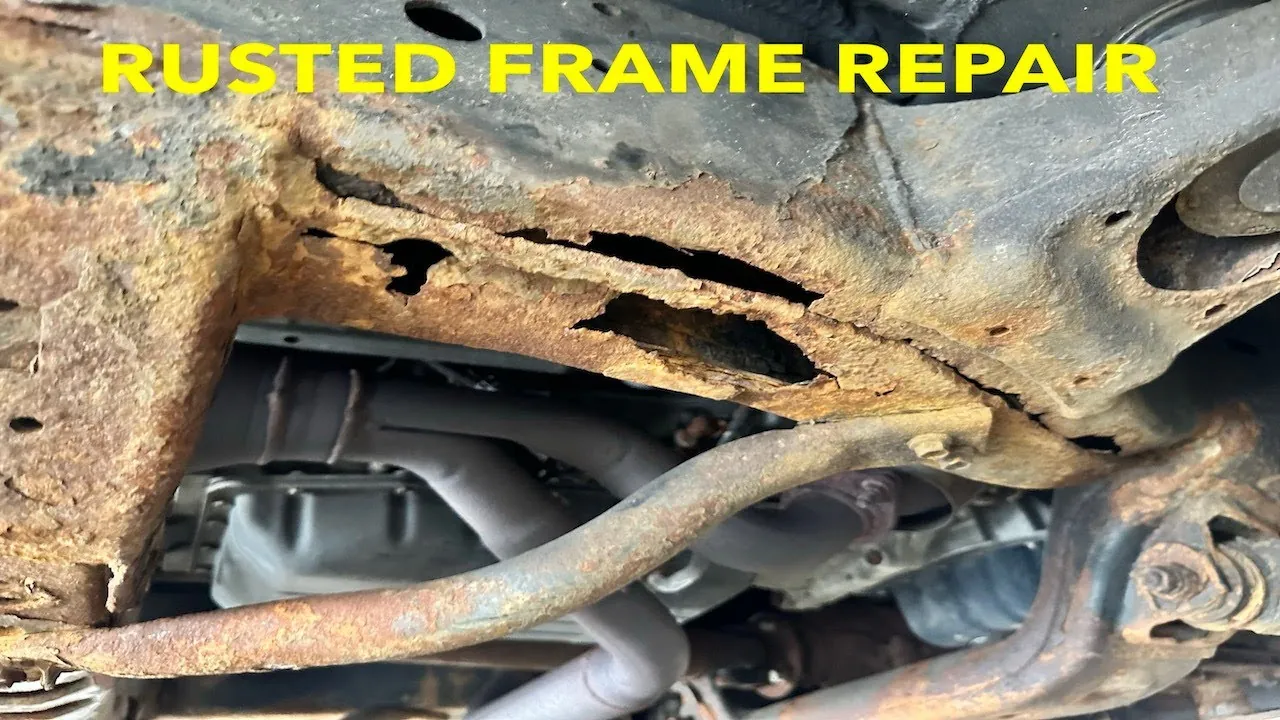
You can fix rusty frame on Toyota 4Runner by removing the corrosion, treating the bare metal and sealing it with a protective coating. Surface rust needs a wire brush and rust converter, while deep rot requires welding new steel plates over the weak spots. The most common cause is road salt eating through the factory paint. If you poke your finger through the metal, stop working and take it to a certified welder.
Why Toyota 4Runner frames rust out
Rust on these trucks starts where water sits and air can’t reach it. The boxed steel rails trap moisture inside, and the factory drain holes often clog with mud or ice. Once water stays in contact with bare steel, oxidation begins within hours.
Road salt speeds this up dramatically. Salt lowers the freezing point of water, so salty slush stays liquid against the metal even in winter. It also makes water conduct electricity better, which accelerates the chemical reaction that turns iron into iron oxide. Trucks driven in northern states or near the coast face the heaviest attack.
The third cause is worn factory protection. The original black paint chips off from rocks, gravel and normal driving. When bare steel shows through, rust takes hold fast. You’ll see it first around the rear axle mounts and the front crossmember, because those spots catch the most debris.
If your truck lives in a dry climate and never sees salt, surface rust might stay shallow for a long time. In snowy regions, unchecked box-frame rot can compromise structural strength quickly. Check your specific model year’s inspection guidelines at Toyota’s owner resources to see what the manufacturer expects for your vehicle’s age.
Wire brush and seal the surface rust
This method works when the rust is only on the outside and the metal is still solid. Tap the rail with a hammer; if it rings like solid metal instead of sounding dull or flaking away, you’re safe to proceed. This isn’t for anyone with holes you can push a screwdriver through.
Jack up the truck safely on jack stands rated for its weight. Never work under a vehicle held only by a hydraulic jack. Wear safety glasses and a respirator, because grinding rust throws sharp particles and toxic dust into the air.
Take a wire wheel on an angle grinder and strip every orange flake down to bare silver steel. Don’t leave brown patches behind, because the sealer won’t stick to them. Wipe the area clean with a lint-free rag soaked in acetone to remove all grinding dust.
Brush on a phosphoric acid rust converter according to the bottle’s directions. It changes any microscopic rust left in the pores into a stable black surface. Let it cure fully — usually 24 hours for most brands, but read your specific product’s label.
Spray two coats of rubberized undercoating or chassis paint over the treated area. Overlap the edges onto the good factory paint by about two inches to seal the seam. You’ll know it worked when the surface stays black and hard after a month of driving, with no orange bleeding through the edges.
Weld patch plates over the rotted sections
When the frame has actual holes or soft spots, surface treatments won’t hold the truck together. You need to cut out the bad steel and weld fresh metal in its place. This fix is strictly for people with MIG welding skills and the right equipment.
If you don’t own a 220-volt MIG welder and haven’t welded structural automotive steel before, hire a professional frame shop. A weak weld on a load-bearing rail can snap under stress, causing a serious crash.
Cut away the rotted metal using a cutoff wheel until you reach solid, shiny steel in every direction. Measure the gap and cut a patch plate from hot-rolled mild steel matching the original frame’s thickness — typically around 3/16 inch for these trucks.
Grind the edges smooth and clamp the patch tight against the frame. Tack weld the corners first to hold alignment, then stitch-weld along the seams. Skip an inch between short welds to keep the heat from warping the rail.
Grind the welds flush if they sit on a mounting surface, or leave them as-welded elsewhere. Before welding, coat the mating surfaces with weld-through primer; after welding, apply the same rubberized sealer used for surface jobs over the finished patch. The repair holds when the truck passes a state safety inspection without the inspector flagging the frame.
Read More: Choose the Right Fog Lights for Toyota 4Runner
Replace the entire frame assembly
Swapping the whole frame is the option for trucks where the rot runs through both rails and multiple crossmembers. It’s worth the effort only when the engine, transmission and body are in good shape. If the rest of the truck is worn out, the cost and labor outweigh the value of keeping it on the road.
This job requires lifting the entire body and drivetrain off the old frame and lowering them onto a new one. You need a two-post lift or tall gantry crane, plus heavy-duty engine hoists. Don’t attempt this on a driveway with floor jacks.
Order a replacement frame stamped for your exact model year and trim level. Bolt patterns for suspension and body mounts change between generations, so a mismatched frame won’t line up. Transfer every bracket, brake line and wiring harness carefully.
Expect the truck to be off the road for several days while you swap components. Torque every body mount bolt to the specifications in your service manual. The trade-off here is steep: you spend far more time and money than a patch job costs, but you get a foundation that should last a long time. Stop and call a certified auto body shop if you find structural damage beyond the rails during disassembly.
Bad advice that ruins 4Runner frames
- Spraying over loose rust flakes. Paint and undercoating need bare metal to bond. Trapping active rust under a thick layer hides the problem while the metal keeps eating itself from the inside out.
- Stuffing expanding foam inside the rails. Foam acts like a sponge once water finds a way in. It holds moisture directly against the inner walls, turning a slow leak into rapid internal rot that you can’t see until the frame collapses.
- Using thin sheet metal for patch plates. Patching structural steel with 20-gauge body panel material creates a weak point. The frame flexes under load, and thin patches crack or tear away at the weld lines within months.
- Skipping the inner rail treatment. Cleaning only the outside leaves the boxed section vulnerable. Rust usually starts inside where water pools, so ignoring the interior surfaces means the frame continues to fail even after a perfect-looking exterior job.
- Applying grease as a permanent rust stop. Grease washes off quickly in rain and attracts dirt that grinds against the metal. It’s a temporary trick for storage, not a durable seal for a daily driver hitting wet roads.
Keeping your 4Runner frame rust free
Stopping rust before it eats through the steel saves hundreds of hours of grinding and welding. The habits below matter more than any single product you spray on the truck.
| If you’re doing this | Do this instead | Why |
|---|---|---|
| Parking on wet grass or dirt after snow | Park on concrete or gravel that drains well | Soil holds salt water against the steel overnight, giving rust hours to start. |
| Washing only the painted body panels | Blast the undercarriage with high pressure every two weeks in winter | Road salt hides inside the boxed rails where rain doesn’t wash it away. |
| Ignoring the factory drain holes | Poke a wire through the frame drain plugs each season | Clogged holes trap water inside the rails, creating a hidden bath for the steel. |
| Spraying oil-based coatings once | Reapply fluid film or lanolin spray every fall before the first snow | These coatings wash off gradually, leaving bare metal exposed by mid-winter. |
| Chipping rocks off the frame paint | Touch up scratches immediately with matching chassis paint | Bare steel exposed by a rock chip starts oxidizing the same day it gets wet. |
| Letting mud pack into the wheel wells | Clear packed mud from the inner fenders and frame horns monthly | Mud holds moisture like a wet blanket pressed directly against the metal. |
FAQs About Fix Rusty Frame on Toyota 4Runner
Can I drive my 4Runner with a rusty frame?
Yes, if the rust is only on the surface and the metal remains solid. Tap the frame rails with a hammer; a clear ring means the structure is intact. If the hammer sinks in or flakes fall off, the frame has lost its load-bearing strength. Driving a truck with compromised rails risks suspension collapse or a broken frame during braking. Have a mechanic inspect it before your next trip.
How much does it cost to fix a rusty 4Runner frame?
A DIY surface treatment with brushes, converter and paint is inexpensive relative to professional welding or a full frame replacement. Get three written quotes from local shops, because prices shift heavily based on your region and the truck’s generation.
How long does a rust repair last on these trucks?
A properly welded patch plate coated with sealer lasts as long as the rest of the truck. Surface treatments using rust converter and chassis paint hold up for a limited time before needing reapplication. The lifespan depends entirely on how well you prep the bare metal and whether you drive in salt again. Inspect the sealed areas every spring.
Is it safe to weld a Toyota 4Runner frame myself?
Only if you have experience welding structural automotive steel and a MIG welder capable of penetrating thick gauge metal. Frame rails carry the entire weight of the vehicle and handle heavy twisting forces. A cold weld or thin bead can snap under highway loads. If you’ve never welded a chassis before, hire a certified frame shop to avoid risking a catastrophic failure on the road.
Why do 4Runner frames rust faster than other trucks?
They don’t inherently rust faster, but their fully boxed frame design traps water inside the rails if the drain holes clog. Open C-channel frames let air circulate and dry out quickly. Additionally, third-generation models faced widespread corrosion issues that led to factory recalls. Any enclosed steel box will rot quickly if salty water enters and can’t escape through blocked drainage points.
What happens if I ignore the rust completely?
The corrosion will eat through the steel until the frame loses its structural integrity. Suspension mounting points can tear away, steering linkages may detach, and the frame itself can bend or snap under heavy loads. Once the metal becomes paper-thin, the truck fails safety inspections and becomes illegal to drive on public roads. Catching it early keeps the repair simple.
How often should I inspect the frame for rust?
Check the frame twice a year if you live in a dry climate, ideally during your spring and fall maintenance routines. If you drive in areas that use road salt or near the ocean, inspect it every three months during the wet season. Use a flashlight and an awl to probe suspicious dark spots. Finding soft metal early means a small patch instead of a full replacement.
Conclusion
Keeping the steel clean and sealed is always cheaper than cutting out the rot later. Treat the drain holes as critical maintenance items, wash the salt off promptly, and touch up every stone chip before moisture reaches the bare metal underneath.

I am Julian Drive, an automotive enthusiast and repair expert with over 7 years of hands-on experience in vehicle maintenance. At Carora Hub, I simplify complex car issues into easy-to-follow DIY guides to help drivers stay safe and save on repair costs.