Floor mats that fit a Toyota 4Runner depend on the model year and interior dimensions of the vehicle. Most standard-sized mats will work, but for the best fit, it’s best to choose ones made specifically for the 4Runner’s make and model. Some mats are designed to fit multiple years, while others are tailored for a specific year or trim level. Always check the mat’s compatibility before purchasing.
Which floor mats fit Toyota 4Runner
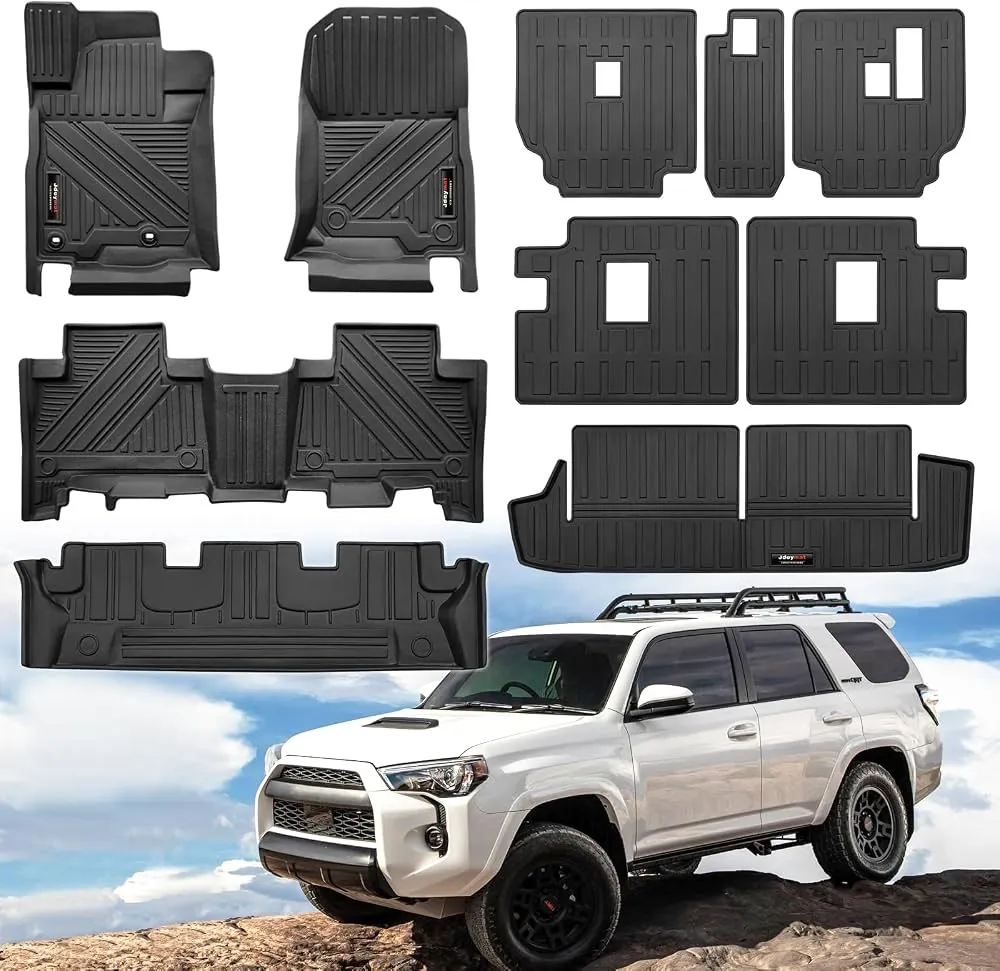
- Look for floor mats labeled as “Toyota 4Runner” with the correct model year. This ensures that the mats are designed specifically for your vehicle’s dimensions and layout, reducing the risk of improper fit or gaps that could allow debris to accumulate or damage the flooring underneath.
- Universal-fit mats can work but may not cover all areas well. These mats are designed to fit a range of vehicles, which means they might not align perfectly with your 4Runner’s footwell, console, or door sills. As a result, you might find yourself needing additional mats or using floor protectors in certain areas to ensure full coverage.
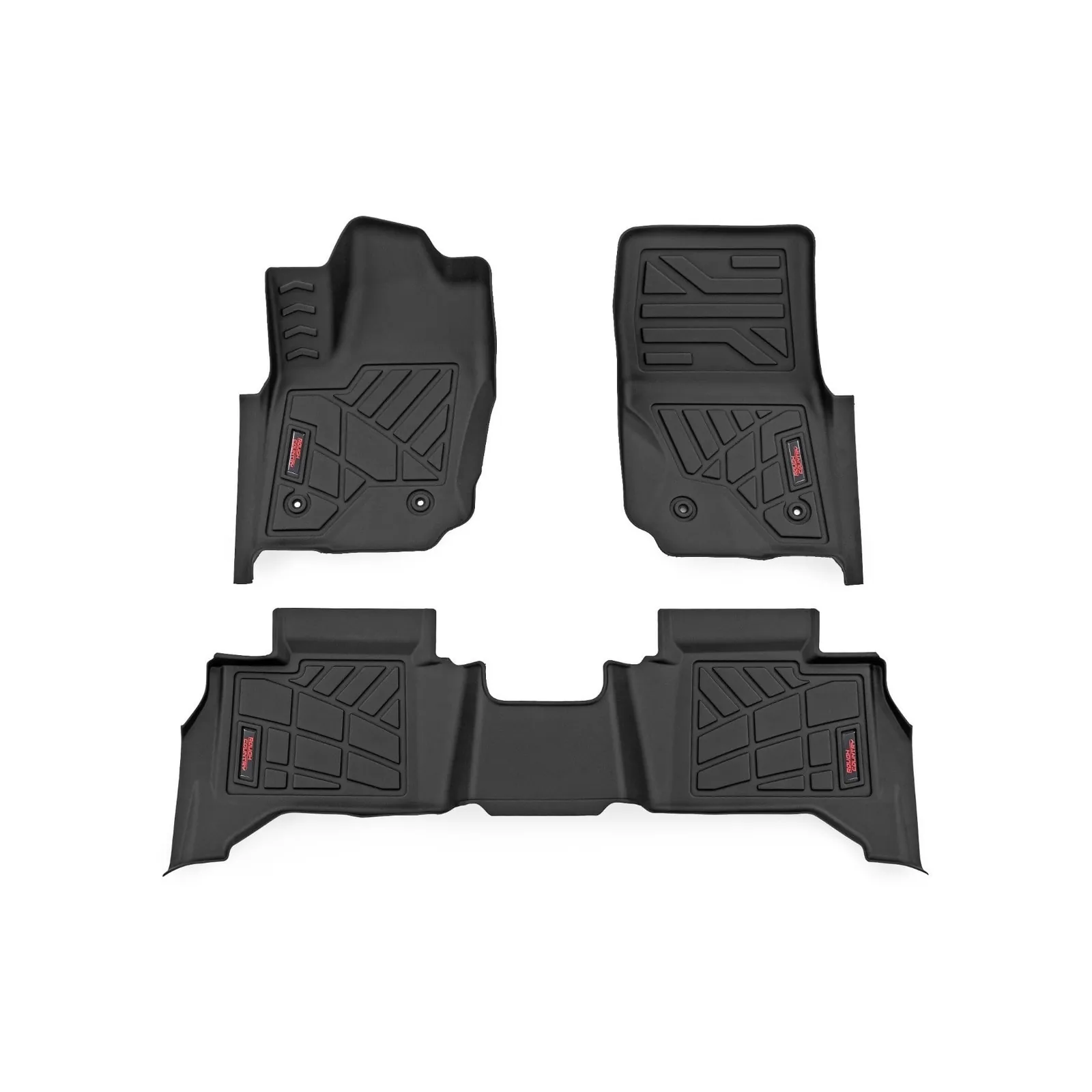
- Custom-fit mats offer better protection and security. They’re tailored precisely to your 4Runner’s interior, ensuring that every inch of the floor is covered and that the mats stay securely in place during driving, even on rough terrain. This reduces the chance of shifting or slippage, which can be both inconvenient and potentially dangerous if it affects your ability to operate the pedals or reach controls.
- Check online retailers or auto parts stores for options. Many companies specialize in custom-fit mats for specific models and years, so comparing different brands and styles can help you find the best match for your needs and budget.
- Measure your 4Runner’s floor space if unsure. Taking precise measurements of the length, width, and any unique features such as center consoles or cup holders will help you choose the right size mat. This step is especially important if you’re considering universal-fit mats, as slight differences in dimensions can lead to poor performance.
Why it matters
Floor mats that fit your Toyota 4Runner properly protect the interior from dirt, spills, and wear. A poor fit can lead to slippage, reduced coverage, or even damage to the car’s flooring. When choosing mats, consider the size, shape, and material.
Mats that are too small leave parts of the floor exposed, while those that are too large may interfere with the pedals or other controls. This can create a safety hazard, especially when driving in wet or muddy conditions, as loose mats might shift underfoot.
The most reliable way to ensure a proper fit is to look for mats that are explicitly labeled for your 4Runner’s model year. For example, mats designed for the 2010–2018 models might differ in size from those for the 2019–2023 versions. If you’re unsure, many manufacturers provide detailed specifications on their websites, which can help you match the right mat to your car. Some sites even offer interactive tools that let you input your vehicle’s VIN to find compatible mats.
Some companies also offer custom-cut mats that are tailored to your specific vehicle. These mats are often more expensive but provide a perfect fit and better durability. You can find them at specialty automotive shops or online retailers like CarID, which sells mats for various makes and models. Custom mats are particularly useful if your vehicle has been modified or if standard mats don’t account for unique features such as floor console designs or trim variations.
When the answer is different
When the answer is different, the situation often hinges on specific details that aren’t immediately obvious. For example, an older model 4Runner might have floor dimensions that vary slightly from newer models, which means a mat designed for a 2020 model may not fit perfectly in a 2010 version.
In such cases, checking for mats labeled with your exact model year can prevent the frustration of a mismatched fit. Similarly, if you’ve upgraded your interior with custom features, standard mats won’t work. You’ll need to look for custom or universal mats that offer adjustable sizing, ensuring they conform to your unique setup.
Aftermarket accessories like roof racks or cargo organizers can also affect the fit of floor mats. Mats without cutouts for these additions might be blocked or improperly positioned, so choosing mats specifically designed with those cutouts ensures they stay in place and function as intended. If you’re considering a used mat, it’s important to remember that previous owners may have modified their fit.
Measuring your floor space and comparing it to the mat’s size is crucial to avoid buying something that doesn’t match your current setup. Finally, if storage space is limited, large mats can take up valuable room. Opting for smaller, foldable mats allows you to keep them compact when not in use while still providing adequate coverage. Each of these scenarios shows how small differences can change what works best, making attention to detail essential.
How to do it properly
-
Identify your 4Runner’s model year and trim level. This helps narrow down compatible mats, as different years and trims can have varying floor dimensions and features such as storage compartments or console layouts that affect fit. For example, a 2015 SR5 may differ slightly from a 2020 Trail Edition in terms of interior design and space allocation.
-
Measure the length and width of your vehicle’s floor area. Use a tape measure to get precise readings, and note any irregularities like raised areas or built-in components that could interfere with the mat’s placement. Compare these measurements with the mat’s dimensions, ensuring there’s enough clearance for foot pedals, shifters, and other controls. A difference of even an inch can lead to poor fit and reduced effectiveness.
-
Look for mats that are labeled as “universal” or “custom fit.” Universal mats are usually cheaper but may not cover all areas perfectly, especially around the edges or near specific features like cup holders or gearshifts. Custom-fit mats, while more expensive, are designed specifically for your model and often provide better coverage and protection.
-
Consider the material—rubber, vinyl, or carpeted mats each have pros and cons depending on your needs. Rubber offers excellent grip and durability, making it ideal for off-road use. Vinyl is easy to clean and resistant to stains, while carpeted mats provide comfort but may trap dirt and debris more easily.
-
Check customer reviews for feedback on fit and durability. This can help avoid common issues like slippage or poor coverage. Pay attention to comments about whether the mats stay in place during driving and if they cover all necessary areas without bunching or folding.
-
Install the mats carefully, ensuring they sit flat and don’t obstruct any foot pedals or controls. Take time to adjust them so they align properly with the floor contours and don’t interfere with your ability to operate the vehicle safely.
-
Clean the mats regularly to maintain their appearance and function. Wipe them down with a damp cloth and mild detergent as needed, and avoid using harsh chemicals that could damage the material or reduce its lifespan.
The mistakes that ruin it
- Choosing mats that are too small leaves parts of the floor unprotected. A mat that doesn’t fully cover the footwell can allow dirt, moisture, and debris to settle on the bare floor, increasing the risk of scratches or water damage over time. This is especially problematic in areas with frequent rain or snow, where even a small gap can lead to pooling water and mold growth.
- Using cheap, poorly made mats can cause them to tear or slip easily. Mats made from low-quality materials often lack durability and may not hold up under regular use or exposure to extreme temperatures. These mats may also have weak adhesives or poor grip, leading to movement during driving, which can be dangerous if they shift while braking or turning.
- Skipping the model-year check results in a mismatched fit. Different car models have varying floor dimensions and contours, and using the wrong mat can leave gaps or cause the mat to hang over edges. This not only reduces effectiveness but can also interfere with the operation of pedals or other controls.
- Not cleaning mats regularly leads to stains and odors. Over time, spilled liquids, food particles, and pet hair can accumulate in the mat’s fibers, creating a breeding ground for bacteria and unpleasant smells. Regular cleaning helps maintain hygiene and prolongs the life of the mat.
- Installing mats incorrectly can damage the car’s floor or block access to important controls. If mats are placed improperly, they might trap moisture underneath, leading to rust or deterioration of the floor material. Additionally, improper placement can make it difficult to reach pedals or floor-mounted switches, which can be a safety concern.
FAQs Of What floor mats fit Toyota 4Runner
What size floor mats do I need for my Toyota 4Runner?
Look for mats that are labeled with your 4Runner’s model year. Sizes can vary slightly between different years, so checking the manufacturer’s website or using an online tool that matches your car’s VIN is helpful.
Are universal floor mats good for a Toyota 4Runner?
Universal mats can work, but they may not fit perfectly. They might not cover all areas or could shift during driving. For the best fit, choose mats made specifically for your 4Runner.
Can I use floor mats from another vehicle in my 4Runner?
It depends on the size and shape. Mats from similar SUVs might work, but there’s no guarantee. Measuring your floor and comparing it to the mat’s dimensions is the safest approach.
How do I know if a floor mat is compatible with my 4Runner?
Check the product description for model-year compatibility. Many retailers list this information clearly. If unsure, contact the seller for confirmation.
What happens if I use the wrong size floor mats?
Using the wrong size can lead to improper coverage, slippage, or interference with the vehicle’s controls. It can also reduce the lifespan of the mats due to constant shifting or exposure.

I am Julian Drive, an automotive enthusiast and repair expert with over 7 years of hands-on experience in vehicle maintenance. At Carora Hub, I simplify complex car issues into easy-to-follow DIY guides to help drivers stay safe and save on repair costs.