
Yes, modern Toyota 4Runner models strictly require full synthetic oil to maintain engine longevity, meet fuel economy standards, and ensure proper lubrication during cold starts and high-load driving. While older, pre-2010 4Runner engines might have utilized conventional oils, the current 4.0-liter V6 engines found in the fifth generation are engineered specifically for the chemical stability and flow characteristics of 0W-20 synthetic lubricant. Using the incorrect viscosity or base stock can lead to sludge buildup, increased friction, and potential damage to the variable valve timing system.
Key Takeaways
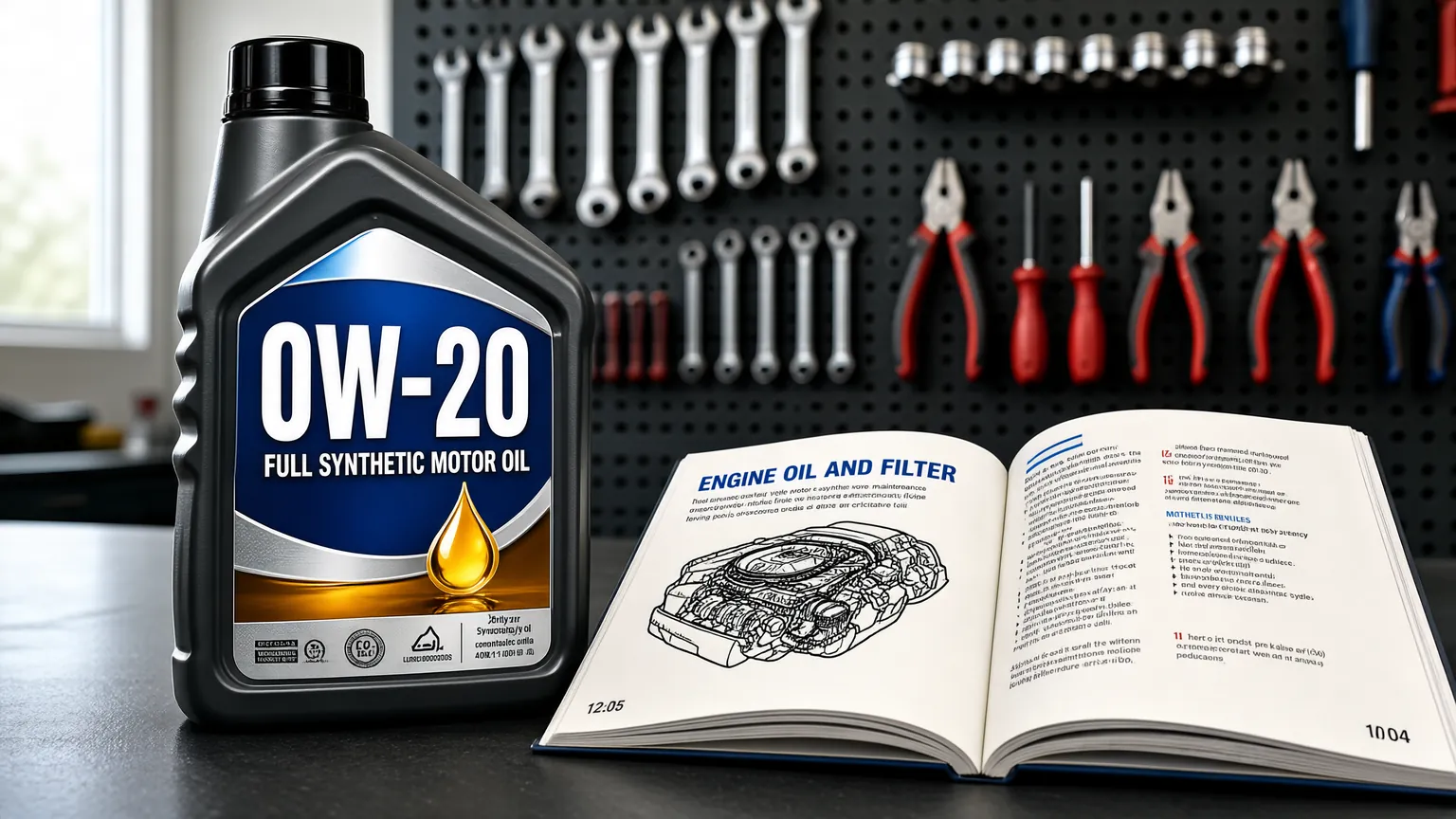
- Always verify your specific 4Runner model year in the owner’s manual before purchasing motor oil.
- Most fifth-generation 4Runners require 0W-20 full synthetic oil for optimal engine performance.
- Switching to synthetic oil provides better protection against thermal breakdown during extreme off-road temperatures.
- Synthetic oil allows for extended oil change intervals, typically up to 10,000 miles under normal conditions.
- Using the manufacturer-recommended viscosity index prevents premature wear on sensitive internal engine components.
Do Toyota 4Runner Need Synthetic Oil?
If you’re currently driving a 4Runner produced from 2010 to the present, the short answer is yes. Toyota transitioned these vehicles to 0W-20 full synthetic oil to meet the precise requirements of the 1GR-FE engine. This engine relies on thin, high-performance oil to circulate rapidly through the oil galleries, especially during the critical first few seconds after a cold start.
Synthetic oil is chemically engineered to have more uniform molecules than conventional oil, which reduces internal friction and helps the engine operate more efficiently. When you choose to use synthetic, you’re providing your vehicle with superior protection against sludge and oxidation.
Warning: Never mix conventional oil with synthetic oil if your engine specifically calls for the latter, as this dilutes the performance benefits and can shorten the life of your oil filter.
Understanding Oil Viscosity and Grades
The numbers on your oil bottle, such as 0W-20 or 5W-30, represent the viscosity, or the thickness, of the oil at different temperatures. The “W” stands for winter, and the number preceding it indicates how the oil flows at lower temperatures. The second number indicates the oil’s thickness at operating temperatures. For the 4Runner, the 0W-20 grade is chosen because it remains thin enough to flow instantly at startup but maintains a protective film at high operating temperatures.
| Oil Grade | Typical Application | Temperature Range |
|---|---|---|
| 0W-20 | Modern 4Runner (2010+) | -35°F to 100°F+ |
| 5W-30 | Older 4Runner (Pre-2010) | -20°F to 100°F+ |
| 10W-30 | High Mileage/Warm Climates | 0°F to 100°F+ |
Benefits of Full Synthetic Oil
Beyond just following the rules, synthetic oil offers tangible advantages for the rugged lifestyle associated with a 4Runner. Because you may take your SUV on long road trips or challenging mountain climbs, your oil is subjected to extreme thermal stress.
Conventional oils tend to break down or oxidize under these conditions, leading to the formation of varnish and sludge. Synthetic oil maintains its molecular integrity, ensuring that your valvetrain remains clean and your Toyota Motor Corporation oil specifications are strictly met for long-term reliability.
Pro Tip: If you frequently drive in dusty, off-road conditions or tow heavy trailers, consider shortening your oil change interval to 5,000 miles, even if the manual suggests a longer cycle.
Recommended Synthetic Oil Brands
When shopping for oil, you want to ensure the product meets the API (American Petroleum Institute) service requirements listed in your owner’s manual. While any major brand that displays the “Starburst” symbol is generally safe, many enthusiasts prefer specific brands known for their high-quality additive packages. These additives help neutralize acids and keep the engine internals free of deposits over the long haul.
- Mobil 1 Advanced Full Synthetic
- Pennzoil Ultra Platinum
- Castrol EDGE Full Synthetic
- Valvoline Advanced Full Synthetic
- Toyota Genuine Motor Oil
How Much Does An Oil Change Cost?
The cost of a synthetic oil change depends on whether you perform the labor yourself or visit a professional shop. If you’re doing it at home, you’ll need to purchase high-quality oil and a factory-grade filter. Professional shops factor in labor, shop supplies, and disposal fees.
| Service Method | Estimated Price Range | Frequency |
|---|---|---|
| DIY (Oil + Filter) | $45.00 – $75.00 | Every 10,000 miles |
| Independent Shop | $85.00 – $130.00 | Every 10,000 miles |
| Dealership Service | $110.00 – $175.00 | Every 10,000 miles |
Is Synthetic Oil Truly Necessary?
Some owners of older vehicles often wonder if they can “upgrade” to synthetic oil. If you have an older 4Runner that originally called for conventional oil, switching to synthetic is generally safe and often beneficial.
Synthetic oil cleans out legacy deposits and provides better protection against wear. However, if your engine has significant oil leaks, synthetic oil may cause them to become more pronounced because its smaller, more uniform molecules can seep through old, brittle seals more easily than thicker, conventional oil.
Selecting The Right Oil Filter
The oil filter is just as important as the oil itself. A high-quality filter ensures that contaminants are trapped before they can circulate through the engine’s bearings and timing components. Toyota OEM filters are designed with a specific bypass valve pressure that matches the oil pump’s output, ensuring that even during a cold start, the oil flow is never restricted.
- Toyota OEM 90915-YZZD1 (standard replacement)
- WIX XP Premium Oil Filters
- Mobil 1 Extended Performance Filters
- K&N Performance Gold Series
Performing Your Own Oil Change
Changing the oil on a 4Runner is a straightforward process, thanks to the vehicle’s high ground clearance. You’ll need a socket set, an oil filter wrench, a drain pan, and a funnel. Always ensure the engine is slightly warm, as this allows the oil to drain more quickly and carry away more suspended contaminants.
- Raise the vehicle safely using jack stands.
- Remove the skid plate if necessary to access the drain plug.
- Place the drain pan underneath and remove the plug.
- Remove the old filter and replace the gasket.
- Install the new filter and tighten the drain plug.
- Fill with the recommended 6.6 quarts of 0W-20 oil.
- Check for leaks and verify the oil level on the dipstick.
Troubleshooting Common Oil Issues
If you notice your oil pressure light flickering, don’t assume it’s just the oil. While low oil levels can trigger the sensor, a clogged oil filter or a failing oil pump are also possibilities. Always check your oil level on a flat surface after the engine has sat for at least ten minutes. If you see a milky appearance in the oil, this could indicate a coolant leak, which is a serious issue that requires immediate professional inspection.
Pro Tip: Always check the oil level before a long trip, as consuming a small amount of oil is normal for high-mileage engines, but a sudden drop indicates a potential leak.
Impact on Fuel Economy
Using the manufacturer-recommended 0W-20 synthetic oil is essential for achieving the fuel efficiency numbers advertised by Toyota. Because the oil is thinner, the engine experiences less “drag” while spinning, allowing it to reach operating temperature faster and operate with less parasitic loss. While the difference in fuel economy between 0W-20 and a thicker 5W-30 might seem negligible on a single tank, it adds up significantly over the 200,000-plus mile lifespan typical of a 4Runner.
Long-Term Engine Health Factors
Maintaining your 4Runner’s engine is about more than just the oil brand; it’s about the consistency of your maintenance schedule. Even the best synthetic oil loses its effectiveness over time as additives are depleted and the oil becomes contaminated with fuel, soot, and moisture.
Following the 10,000-mile interval is safe for most drivers, but if you drive in “severe” conditions—which include short trips, extreme heat, or heavy towing—you should move to a 5,000-mile schedule to ensure your engine remains in top condition.
Related guides
- How to Replace Toyota 4Runner Air Filter in 30 Minutes
- Best Toyota 4Runner Lift Kits for Off-Road Performance and Clearance
FAQs Of Do Toyota 4Runner Need Synthetic Oil
Can I use 5W-30 instead of 0W-20?
You should only use the viscosity recommended in your owner’s manual. While 5W-30 might be acceptable in an emergency for a short period, it’s thicker than what the modern 4Runner’s oil passages are designed for. Using the wrong viscosity can lead to sluggish performance, decreased fuel efficiency, and potential issues with the variable valve timing system that relies on precise oil pressure and flow.
Does synthetic oil cause leaks in older 4Runners?
Synthetic oil doesn’t cause leaks, but it can reveal them. Because synthetic oil has a more uniform molecular structure, it can sometimes pass through degraded, hardened rubber seals that thicker conventional oil would otherwise plug. If you switch an older, high-mileage engine to synthetic and notice a leak, it’s usually a sign that your seals were already failing and needed replacement regardless of the oil type.
How often should I change the filter?
You should change the oil filter every time you change your oil. Oil filters are designed to capture microscopic particles and hold a specific amount of debris; by the time your oil has reached its recommended change interval, the filter is often nearing its maximum capacity. Replacing the filter ensures that your new oil stays clean for the duration of its service life.
Is expensive oil worth the extra cost?
Higher-priced synthetic oils often contain a more robust package of detergents, anti-wear agents, and dispersants. While a standard full synthetic will meet your engine’s requirements, premium oils may offer better protection against extreme temperatures and oxidation. If you plan on keeping your 4Runner for many years, the marginal cost difference per oil change is a sound investment in the longevity of your engine.
Can I switch back to conventional oil?
Once your engine has been running on full synthetic oil, there’s no technical reason to switch back to conventional oil. In fact, doing so would be a downgrade in performance and protection. Conventional oils can’t match the thermal stability or the flow characteristics of synthetic oils, especially in the cold-weather starts and high-heat towing scenarios that the 4Runner is frequently subjected to during normal operation.
Conclusion
Taking care of your 4Runner with the proper synthetic oil is the most effective way to protect your investment and ensure it remains reliable for years to come. By adhering to the 0W-20 recommendation and keeping up with your scheduled maintenance, you prevent common engine issues before they begin. Check your owner’s manual today to confirm your exact capacity and schedule your next service.

I am Julian Drive, an automotive enthusiast and repair expert with over 7 years of hands-on experience in vehicle maintenance. At Carora Hub, I simplify complex car issues into easy-to-follow DIY guides to help drivers stay safe and save on repair costs.