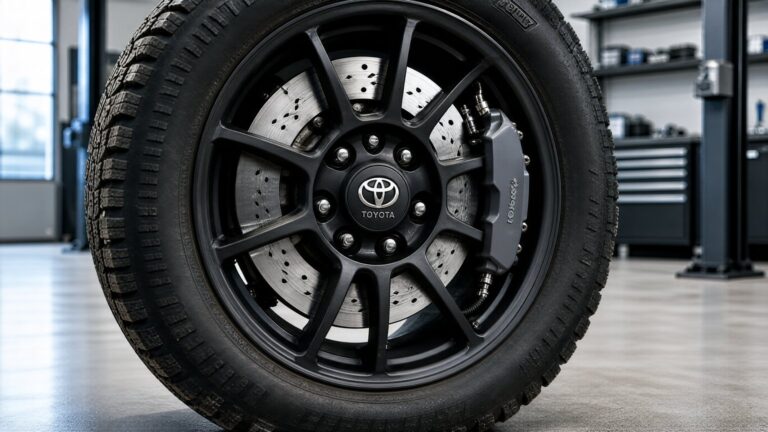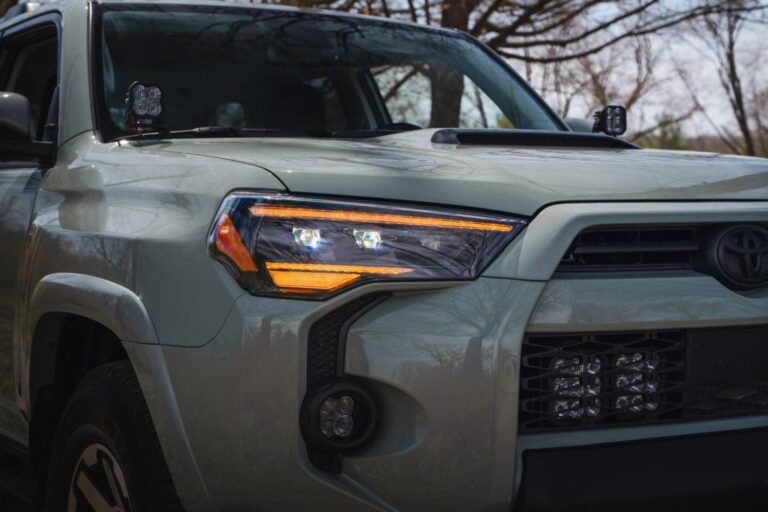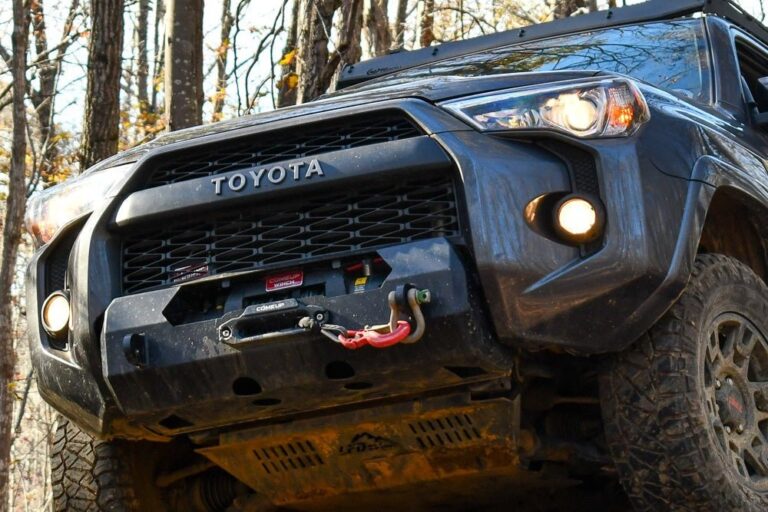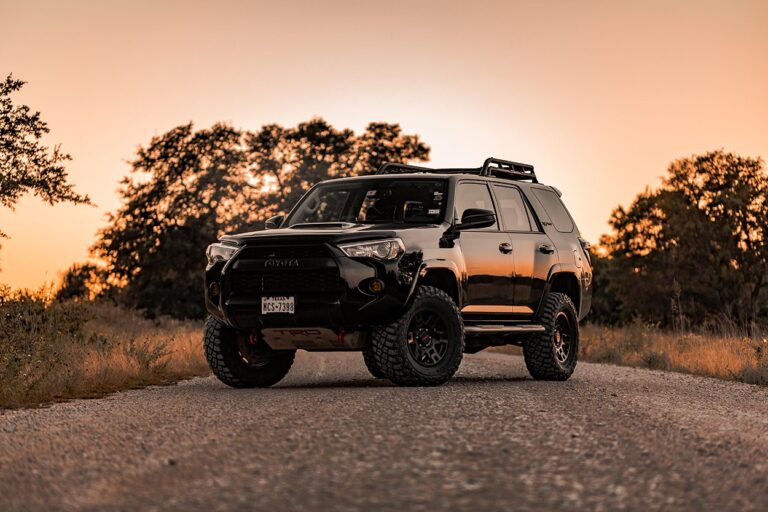
Choosing the best tires for a Toyota 4Runner for off-roading depends on the terrain, driving style, and performance needs of the driver. The best options offer good traction, durability, and resistance to damage in rough conditions. However, the specific model or brand will vary based on personal preferences and the type of off-road environment typically driven in.
The short version
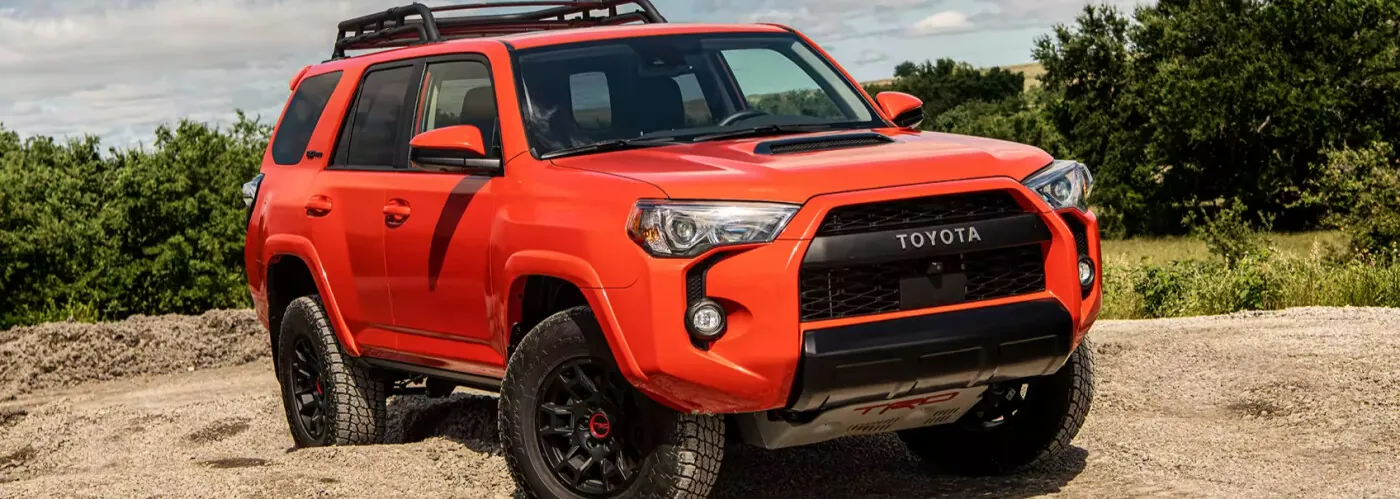
- Choose all-terrain or mud-terrain tires for maximum off-road capability. These tire types are designed to handle rough terrain, including mud, gravel, and rocks, with better traction than standard highway tires. All-terrain tires offer a balance between on-road comfort and off-road performance, while mud-terrain tires are more aggressive and suited for extreme conditions.
- Look for tires with deep tread patterns and reinforced sidewalls. Deep treads help grip loose surfaces and expel debris, improving traction in muddy or sandy conditions. Reinforced sidewalls provide extra durability and resistance to punctures and cuts from sharp objects commonly found off-road.
- Ensure the tire size matches your vehicle’s specifications. Using incorrect tire sizes can affect handling, speedometer accuracy, and even void your vehicle’s warranty. Check your owner’s manual or consult a professional to confirm the correct tire dimensions for your vehicle.
- Check reviews and ratings from experienced off-road drivers. Online forums, review sites, and social media groups can provide real-world insights into how well a tire performs under various conditions. Pay attention to feedback about noise levels, fuel efficiency, and longevity, as these factors can vary significantly between models.
- Consider tire brands like BFGoodrich, Goodyear, and Cooper for reliable performance. These brands have a long history of producing high-quality off-road tires that are trusted by many drivers. However, also consider newer brands that may offer competitive pricing or innovative features without compromising on quality. Always compare multiple options before making a purchase decision.
Why certain tires are better for off-roading
Off-road driving puts extreme stress on tires, requiring them to handle sharp rocks, deep mud, and uneven surfaces. Tires designed for off-roading have deeper treads, which help grip loose surfaces like sand, mud, and gravel. They also feature reinforced sidewalls to resist cuts and punctures from sharp objects.
The tread pattern is one of the most important factors. Mud-terrain tires have aggressive lugs and open spaces between them, allowing them to bite into soft surfaces and expel debris. These patterns are especially effective in deep mud or loose dirt where traction is critical.
All-terrain tires offer a balance between on-road comfort and off-road performance, making them suitable for drivers who split their time between paved roads and trails. However, they may not perform as well in extreme conditions compared to dedicated mud-terrain tires.
Tire size and load rating also matter. A larger tire can provide more clearance over obstacles, but it must be compatible with your vehicle’s suspension and wheel wells. If the tire is too large, it can cause rubbing or damage to the frame, while a tire that’s too small might not provide enough protection.
Always check the manufacturer’s recommendations for tire sizes and load capacities. A higher load rating ensures the tire can support the weight of the vehicle and any additional gear without risking failure.
According to the Rubber Manufacturers Association, off-road tires are engineered with materials that increase flexibility and reduce heat buildup, which helps prevent blowouts during long off-road trips. This makes them more durable than standard passenger tires. The added durability is crucial when driving in remote areas where roadside assistance may not be readily available.
When the answer is different
| Situation | What changes | What to do instead |
|---|---|---|
| Driving mostly on pavement | Off-road tires may be too noisy and wear faster | Choose all-terrain tires for a balance of performance and comfort. These tires are designed to handle light off-road conditions without sacrificing the smooth ride and quiet operation needed for daily driving on paved roads. They also tend to last longer than full mud-terrain tires when used primarily on asphalt, reducing long-term costs. |
| You’re on a tight budget | High-end off-road tires can be expensive | Look for budget-friendly options like Michelin LTX M/S or Pirelli Scorpion. These models offer decent durability and performance at a lower price point, making them suitable for drivers who need reliable tires without breaking the bank. Be sure to compare prices across retailers and check for any available discounts or promotions. |
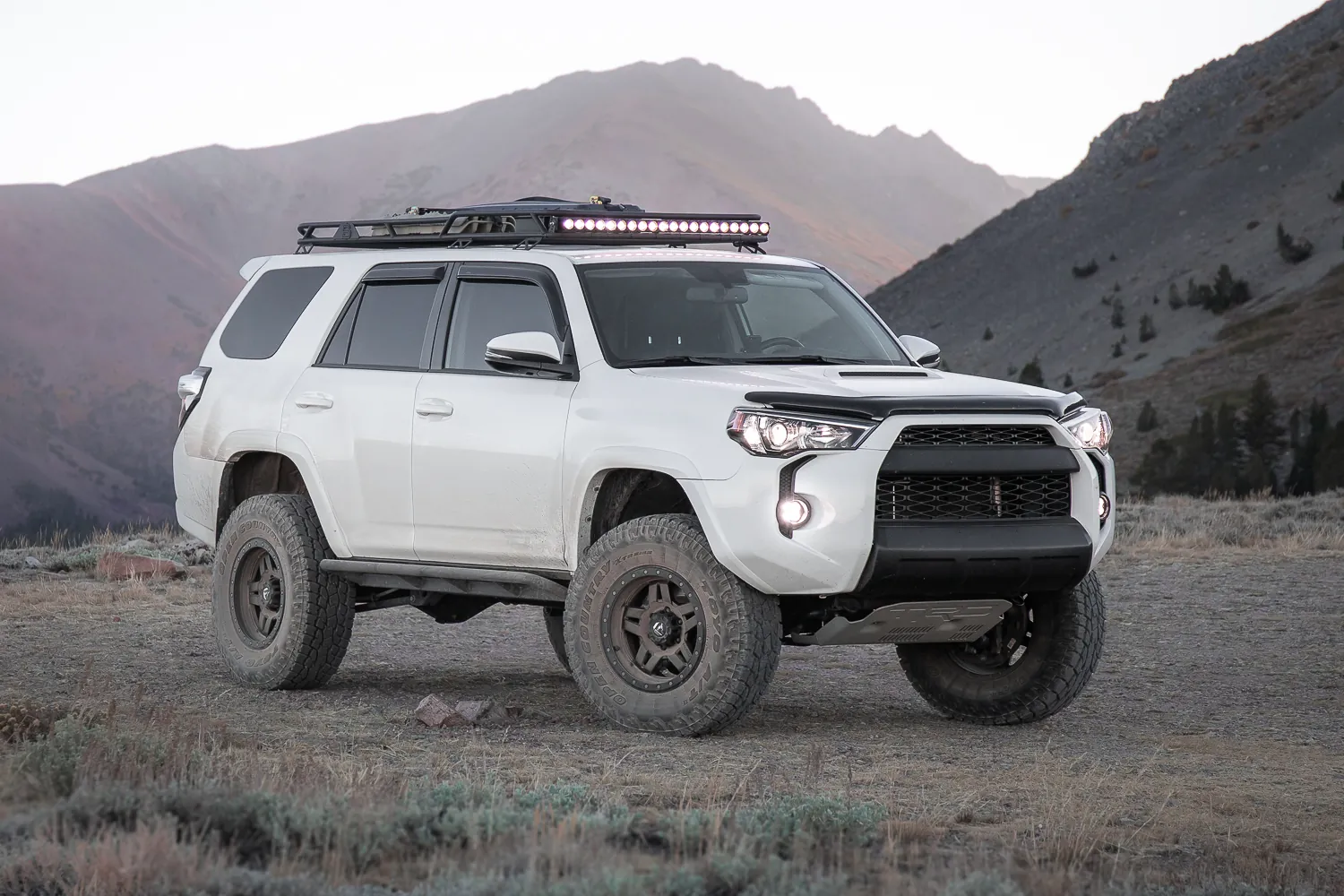
| Your 4Runner has a lift kit | Standard-sized tires may not fit properly | Choose a tire size that matches your lifted suspension setup. Lifted vehicles often require larger tires to maintain proper clearance and prevent rubbing. Consult your vehicle’s manual or a professional mechanic to determine the correct tire size and ensure compatibility with your suspension components. |
| You live in an area with snow | Mud-terrain tires may not handle snow well | Opt for winter tires with snow traction capabilities. Winter tires are specifically designed with deeper grooves and specialized compounds that provide better grip on icy and snowy surfaces. Using standard off-road tires in snowy conditions can reduce traction and increase the risk of skidding or losing control. |
| You prioritize fuel efficiency | Aggressive off-road tires can lower gas mileage | Select a tire with low rolling resistance if needed. Tires with lower rolling resistance require less energy to move, which can improve fuel economy. Look for tires labeled with a low rolling resistance rating or consult reviews that highlight fuel efficiency as a key feature. |
How to do it properly
-
Check your 4Runner’s owner manual for recommended tire sizes and load ratings. This is critical because using tires outside the manufacturer’s specifications can affect handling, stability, and even void warranties. The manual will also list the correct bolt pattern and rim diameter to ensure compatibility with your vehicle.
-
Determine your driving needs — decide whether you need mud-terrain, all-terrain, or a combination. If you frequently drive on rocky trails or deep mud, a mud-terrain tire offers better grip but sacrifices road comfort. All-terrain tires are more versatile for mixed conditions, including light off-road use and daily driving. Consider how often and where you’ll be driving off-road before making a choice.
-
Research tire brands and models known for off-road performance, such as BFGoodrich Mud-Terrain T/A KM3 or Goodyear Wrangler Duratrac. These models are designed for extreme conditions, but there are many other options depending on your budget and usage. Look for tires that have been tested in similar environments to yours.
-
Compare tread depth and patterns to see which ones suit your terrain. Deeper treads are better for loose or muddy conditions, while more aggressive patterns offer better traction on rocks and dirt. However, these designs can be noisier on pavement and may wear faster on highways.
-
Verify compatibility with your vehicle’s wheel size and suspension setup. Some off-road tires require larger wheels or modifications to fit properly. If your suspension is stock, make sure the tire’s overall diameter doesn’t exceed what your speedometer and gearing are calibrated for.
-
Read customer reviews and look for feedback about durability and real-world performance. Pay attention to comments about how well the tires handle specific conditions, their noise levels, and how long they last under regular use.
-
Visit a trusted tire retailer for professional installation and advice. A knowledgeable technician can help you choose the right tires and ensure they’re mounted and balanced correctly. They can also check if any additional parts or modifications are needed.
-
Rotate your tires regularly to ensure even wear and extend their lifespan. Off-road tires tend to wear unevenly due to harsh conditions, so rotating them every 5,000 to 7,000 miles helps maintain balance and prolong their life.
The mistakes that ruin it
- Choosing the wrong tire size can cause handling issues and damage your suspension system. This is especially critical when the tires aren’t compatible with the vehicle’s specifications, as mismatched sizes can affect speedometer accuracy, braking efficiency, and even the integrity of the wheel bearings. For example, using a larger tire than recommended may overload the suspension components, leading to costly repairs or breakdowns.
- Skipping tire rotation leads to uneven wear and reduced performance over time. Without regular rotation, the tires on the drive axle will wear faster than those on the non-drive axle, which can compromise stability and increase the risk of blowouts. A good rule is to rotate tires every 5,000 to 7,500 miles, depending on driving conditions and manufacturer recommendations.
- Installing tires without proper alignment can result in premature tire wear and unsafe driving conditions. Misalignment causes the tires to scrub against the road surface, creating irregular wear patterns that reduce tire life and make steering harder. It also affects fuel efficiency and can lead to increased stress on other parts of the suspension system.
- Using off-road tires year-round can lead to excessive noise and poor fuel economy on paved roads. These tires are designed for rough terrain and have deeper treads that create more rolling resistance, which increases fuel consumption and reduces ride comfort. They’re also noisier on smooth surfaces, making them less ideal for everyday driving.
- Failing to check tire pressure before off-road trips can reduce traction and increase the risk of flats. Underinflated tires are more prone to damage from sharp objects and can lose air quickly in rough terrain. Checking and adjusting tire pressure according to the manufacturer’s guidelines before any trip, especially off-road, ensures better performance and safety.
Related guides
- Which Bull Bars Fit Toyota 4Runner: ARB, Westin and More
- How to Choose the Best Winch for Toyota 4Runner
- Toyota Prius Tires Vs Regular Tires: Comparison
FAQs Of Which tires are best for Toyota 4Runner off-roading
What are the best off-road tires for a Toyota 4Runner?
The BFGoodrich All-Terrain T/A KO2/KO3 and Falken Wildpeak A/T3W/A/T4W are widely considered the best all-around off-road tires for the Toyota 4Runner. They offer superior traction on dirt, rocks, and snow while maintaining a quiet, comfortable ride on highways.
What is the largest tire size you can fit on a stock Toyota 4Runner without a lift?
On a stock 5th Gen Toyota 4Runner, the largest tire size you can run without rubbing or modifying the fender liner is 265/70R17 (the factory size). Some aggressive 275/70R17 tires may fit, but they can cause slight rubbing depending on wheel offset and tire tread design.
Are All-Terrain (A/T) or Mud-Terrain (M/T) tires better for 4Runner off-roading?
All-Terrain (A/T) tires are best for 90% of 4Runner owners because they perform exceptionally well on dirt, light mud, rocks, and highway driving. Mud-Terrain (M/T) tires are better suited for deep mud and severe rock crawling, but they are significantly louder on pavement and wear down faster.
Do I need C-load or E-load tires for my Toyota 4Runner?
For most 4Runner owners, C-load (or standard SL/P-metric) tires are ideal because they are lighter, offer a smoother ride, and don’t hurt gas mileage. E-load tires have stiffer sidewalls that resist punctures on sharp rocks, but they add extra weight, leading to a firmer ride and slightly lower MPG.
Conclusion
Once you’ve chosen the right tires, test them on different terrains to see how they perform. Keep an eye on wear and pressure, and don’t forget to rotate them regularly. If you’re new to off-roading, consider taking a short trail with a more experienced driver to learn the ropes and build confidence.

I am Julian Drive, an automotive enthusiast and repair expert with over 7 years of hands-on experience in vehicle maintenance. At Carora Hub, I simplify complex car issues into easy-to-follow DIY guides to help drivers stay safe and save on repair costs.