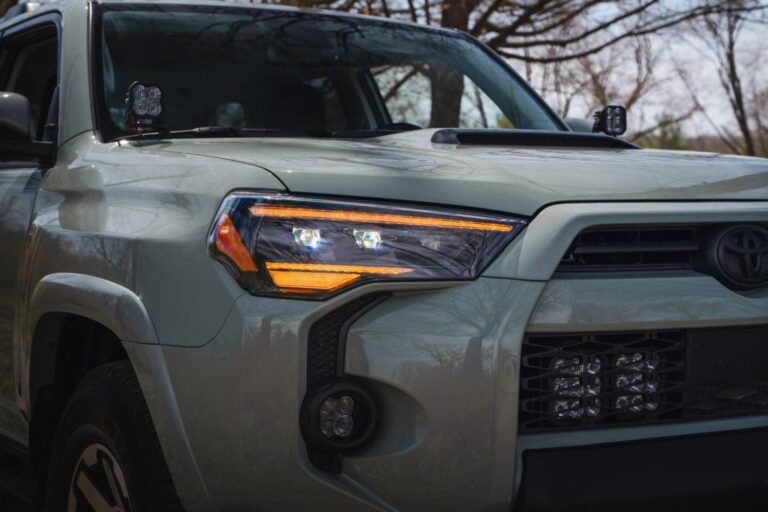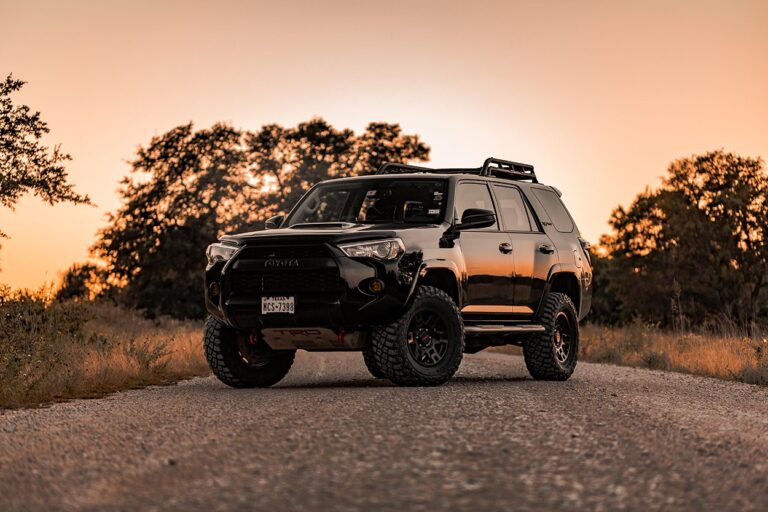
The best winch for a Toyota 4Runner is typically a 10,000 to 12,000-pound capacity unit with synthetic rope and an IP68 waterproof rating, balancing recovery power with front-end weight management. Selecting the right model requires matching line pull to vehicle weight while considering electrical system limits, mounting compatibility, and intended terrain severity rather than simply choosing the highest rated option available on the market today.
Key Takeaways
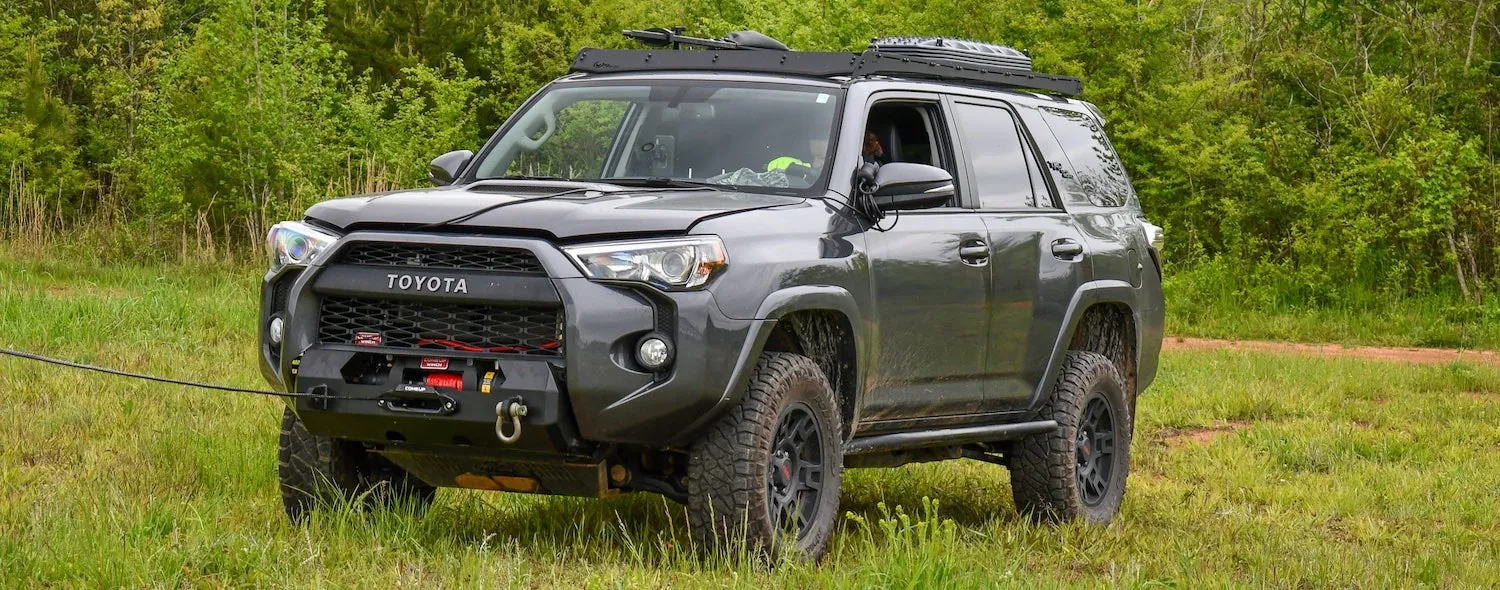
- Calculate minimum capacity by multiplying your 4Runner’s Gross Vehicle Weight Rating by 1.5, which generally points to 10,000-pound or 12,000-pound winches for most fifth-generation models equipped with armor and gear.
- Prioritize synthetic rope over steel cable for off-road recovery because it stores significantly less kinetic energy under tension, reducing catastrophic injury risk during high-stress vehicle extractions in remote locations.
- Verify your specific generation’s mounting plate compatibility before purchasing, as third through fifth-generation 4Runners utilize different frame widths and bolt patterns that prevent universal fitment without modification.
- Upgrade your electrical system with heavy-gauge wiring and auxiliary batteries if selecting high-amperage winches, since stock alternators often can’t sustain prolonged recovery operations without voltage drops or component damage.
- Choose IP68-rated sealed units with proven ingress protection against dust and water submersion, ensuring internal brake mechanisms and solenoids survive mud bogging and river crossing environments common to 4Runner use cases.
Calculating Required Winch Capacity
Determining adequate line pull prevents mechanical failure during critical recoveries when stuck in mud, sand, or steep inclines. Industry standards recommend a minimum rating of 1.5 times the vehicle’s fully loaded weight, accounting for dynamic friction and resistance forces that exceed static mass calculations significantly.
Understanding Gross Vehicle Weight
Your 4Runner’s curb weight differs substantially from its operational weight once passengers, cargo, fuel, and aftermarket accessories are added. A base fifth-generation model weighs approximately 4,400 pounds, but adding steel bumpers, roof racks, skid plates, and camping gear frequently pushes total weight beyond 5,800 pounds. Always calculate based on maximum anticipated load rather than factory specifications to ensure sufficient safety margin during worst-case scenarios.
Accounting for Resistance Factors
Stuck vehicles experience resistance far exceeding their actual weight due to suction, friction, and gravitational forces acting simultaneously. Deep mud can double effective resistance compared to hard-packed surfaces, while angled pulls on inclines introduce additional vector loads that reduce effective winch capacity. The Warn Industries vehicle weight guide provides manufacturer-specific multiplication factors for various terrain conditions and vehicle configurations.
Choosing Between Synthetic and Steel
Line material selection impacts safety, handling characteristics, maintenance requirements, and overall system performance in field conditions. Both options present distinct advantages depending on primary use case, frequency of deployment, and operator experience level with recovery equipment.
Synthetic Rope Advantages
Modern synthetic lines offer superior safety profiles because they don’t store dangerous amounts of kinetic energy when under extreme tension. If failure occurs, synthetic rope tends to drop harmlessly rather than whipping back toward occupants or bystanders at lethal velocities. These ropes also float in water, resist kinking permanently, and allow easier field splicing without specialized tools or metal crimping sleeves.
Steel Cable Considerations
Traditional steel wire rope remains relevant for users who frequently encounter sharp rocks, abrasive surfaces, or extreme heat sources that would compromise synthetic fibers. Steel cables provide better abrasion resistance against jagged terrain edges and require less frequent replacement when used in rocky desert environments. However, mandatory damper blankets become non-negotiable safety equipment, and regular inspection for broken strands demands consistent discipline to prevent unexpected failures.
| Feature | Synthetic Rope | Steel Cable |
|---|---|---|
| Safety Under Tension | High (low energy storage) | Low (requires damper) |
| Abrasion Resistance | Moderate (needs chafe guard) | High (natural durability) |
| Field Repairability | Easy splice possible | Requires professional swaging |
| Maintenance Frequency | Inspect for UV/fuzzing | Inspect for broken strands |
| Weight Impact on Front End | Minimal (~2 lbs) | Significant (~30+ lbs) |
Electrical System Requirements and Upgrades
Winch motors draw tremendous electrical current during operation, frequently exceeding stock charging system capabilities during sustained pulls. Understanding amperage demands prevents stranded situations where electrical failure compounds mechanical immobilization in remote areas far from assistance.
Amperage Draw Specifications
Most 10,000 to 12,000-pound winches draw between 300 and 450 amps under full rated load, though typical partial-load recoveries consume 150 to 250 amps. Stock 4Runner alternators produce 130 to 150 amps maximum output, meaning extended winching inevitably depletes battery reserves faster than charging systems can replenish them. Monitor voltage gauges closely and implement rest periods allowing cooling and recharging between pull cycles.
Wiring Gauge and Connections
Factory battery cables often prove inadequate for winch current demands, creating voltage drops that reduce motor efficiency and generate excessive heat at connection points. Upgrade to minimum 2-gauge pure copper welding cable with proper lug crimps and dielectric grease protection against corrosion. Install dedicated winch ground connections directly to engine block or frame rail rather than relying solely on battery negative terminal pathways.
Pro Tip: Install a secondary deep-cycle battery specifically for winch operations to isolate starting battery reserves from recovery loads, ensuring you can always restart the engine even after exhausting auxiliary power during difficult multi-stage extractions requiring prolonged motor runtime.
Choosing a Winch for Toyota 4Runner by Generation
Toyota 4Runner platform evolution created distinct mounting requirements across production years that prevent cross-generation interchangeability without adapter plates or custom fabrication work. Confirming exact fitment before purchase avoids costly returns and installation delays when parts arrive incompatible with your specific chassis configuration.
Third Generation Fitment Notes
Models produced from 1996 through 2002 feature narrower frame rails requiring generation-specific mounting plates with unique bolt spacing patterns. Aftermarket support remains strong but diminishing, so verify current availability of compatible brackets from manufacturers like ARB, CBI Offroad, or Dirt King before committing to particular winch models. Some modern winches may require spacer kits or modified fairlead positions to achieve proper alignment with roller guides.
Fourth and Fifth Generation Platforms
The 2003-present generations share similar frame dimensions but differ in bumper clearance and approach angle considerations affecting winch placement height. Fifth-generation models benefit from extensive aftermarket support with numerous integrated hidden-mount solutions preserving factory aesthetics while providing robust recovery points. Ensure selected mounting systems maintain adequate radiator airflow clearance, as compromised cooling represents a common unintended consequence of poorly designed winch installations.
Waterproofing and Durability Standards
Recovery equipment faces extreme environmental exposure including complete submersion, fine particulate intrusion, temperature extremes, and corrosive salt spray depending on geographic operating area. Selecting appropriately sealed components prevents premature failure and ensures reliable function when conditions deteriorate unexpectedly during expeditions.
Interpreting IP Ratings
Ingress Protection ratings consist of two digits indicating solid particle and liquid moisture resistance levels respectively. For serious off-road use, insist on minimum IP67 certification guaranteeing complete dust tightness and temporary immersion protection up to one meter depth. Premium units achieving IP68 ratings withstand continuous submersion beyond one meter and represent worthwhile investment for users regularly traversing water crossings or operating in monsoon climates.
Brake and Solenoid Sealing
Internal brake assemblies generate significant heat during controlled descents and represent common failure points when seals degrade allowing moisture contamination. Similarly, solenoid contactors must remain completely isolated from conductive contaminants preventing short circuits or welded contacts that create runaway winch conditions. Research manufacturer reputation for long-term seal integrity through owner forums and warranty claim data rather than relying solely on published specifications.
Control Options and Safety Features
Modern winches offer multiple control methodologies ranging from traditional wired remotes to wireless smartphone integration, each presenting distinct operational trade-offs regarding convenience, reliability, and situational awareness during recovery operations. Additional safety technologies enhance operator protection and equipment longevity when properly understood and utilized.
Wired Versus Wireless Remotes
Wired controllers provide fail-safe reliability unaffected by battery depletion, signal interference, or accidental activation from pocketed transmitters. Wireless systems enable superior positioning flexibility allowing operators to stand clear of danger zones while maintaining visual contact with rigging points and anchor systems. Many premium winches include both options, letting users select appropriate method based on specific recovery scenario complexity and personal preference.
Automatic Braking Systems
Mechanical load-holding brakes engage automatically when motor stops, preventing uncontrolled drum rotation under tension without requiring constant operator input. This feature proves essential during multi-stage recoveries involving repositioning, rigging adjustments, or communication pauses between team members. Verify brake engagement audibly and visually before approaching loaded lines, as worn brake components can develop slippage over time compromising holding capacity.
Warning: Never rely solely on automatic braking systems for suspended loads or overhead lifting applications, as winch brakes are designed exclusively for horizontal vehicle recovery and lack safety factors required for vertical hoisting operations involving personnel or unstable cargo.
Comparing Popular Winch Models
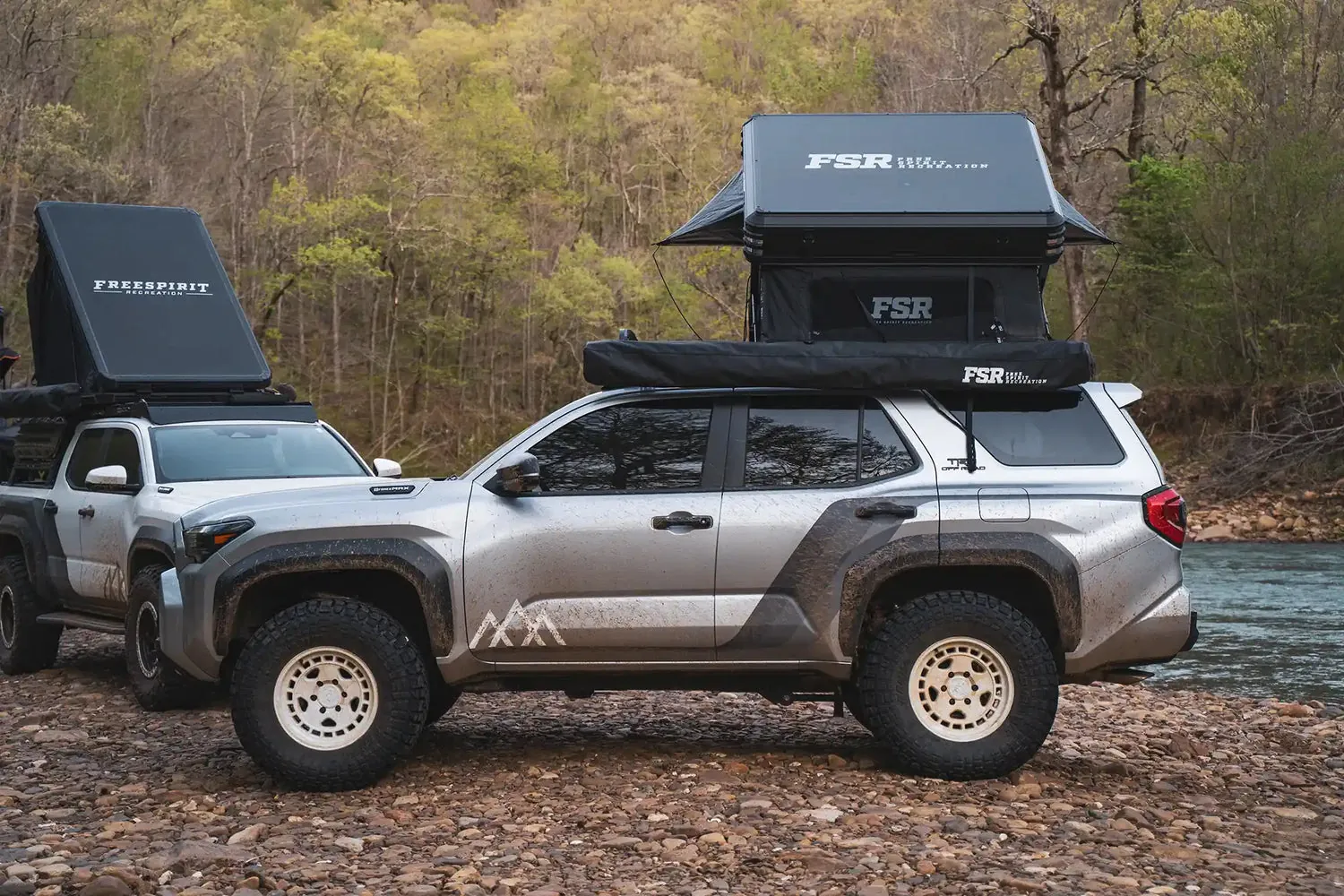
Market offerings span budget-friendly import units to premium domestic brands with lifetime warranties, each occupying distinct price-to-performance niches suitable for different user priorities and usage frequencies. Objective comparison across key specifications reveals meaningful differences beyond marketing claims and aesthetic preferences.
| Model Series | Rated Capacity | Line Type Standard | IP Rating | Typical Price Range |
|---|---|---|---|---|
| Warn Zeon Platinum | 10K-12K | Synthetic Spydura | IP68 | $1,400-$1,800 |
| Smittybilt XRC GEN3 | 10K-12K | Synthetic/Cable | IP67 | $500-$700 |
| Badland Apex | 12K | Synthetic | IP68 | $600-$800 |
| Factor 55 ProLink | N/A (Shackle) | Compatible Both | N/A | $100-$150 |
Premium Tier Justification
Higher-cost units typically justify premiums through superior machining tolerances, more robust sealing designs, higher-quality motor windings, and comprehensive warranty coverage backed by established service networks. Users planning frequent expedition travel or commercial recovery operations benefit from reduced downtime risk and longer service intervals offsetting initial acquisition costs over ownership lifespan. Casual weekend warriors may find mid-tier options perfectly adequate for occasional use.
Related guides
- How to Install LED Headlights on Toyota 4Runner: Step-by-Step
- Dash Cams For Toyota Prius: Best Picks
- Toyota Prius Tires Vs Regular Tires: Comparison
FAQs Of How to Choose the Best Winch for Toyota 4Runner
Can I install a winch myself?
Yes, mechanically inclined owners with basic hand tools and electrical knowledge can complete installation over four to eight hours. Critical steps include proper torque sequencing on mounting bolts, correct polarity verification before energizing, and thorough functional testing under light load before field deployment. Professional installation remains advisable for those uncomfortable with high-current electrical systems or structural modifications.
How often should I inspect my winch?
Conduct visual inspections before every off-road trip examining rope condition, hook integrity, fairlead alignment, and electrical connections for corrosion or damage. Perform comprehensive annual maintenance including gearbox lubrication, brake adjustment verification, and complete line respooling under tension to identify hidden wear patterns. Replace synthetic rope immediately upon discovering significant fuzzing, embedded debris, or chemical degradation regardless of age.
Will a winch drain my battery overnight?
Properly installed winches with functioning solenoids draw zero current when inactive and won’t cause parasitic battery drain. Persistent drainage indicates faulty solenoid contacts remaining partially closed, damaged control circuitry, or incorrect wiring bypassing master disconnect switches. Diagnose with multimeter amperage testing at battery terminals with all accessories powered down to isolate abnormal consumption sources accurately.
Do I need a winch damper blanket?
Absolutely yes when using steel cable, as dampers absorb catastrophic whip-back energy protecting occupants and bystanders from fatal injuries during line failures. Synthetic rope users benefit less due to lower stored energy but should still employ dampers as secondary protection and visible warning indicators marking active recovery zones. Treat damper usage as mandatory safety protocol equivalent to seatbelt compliance.
What size fairlead do I need?
Match fairlead type to line material: roller fairheads with smooth rotating surfaces suit steel cable minimizing strand abrasion, while aluminum hawse fairleads with radiused edges protect synthetic rope from cutting damage. Ensure mounting bolt pattern matches your specific winch plate and verify opening diameter accommodates your chosen line size plus thimble or hook assembly passage without binding during angled pulls.
Conclusion
Begin by weighing your fully loaded 4Runner including all permanent modifications and typical expedition gear, then consult manufacturer capacity charts to identify three candidate winches meeting your calculated minimum requirement before comparing electrical specifications against your current charging system capabilities.

I am Julian Drive, an automotive enthusiast and repair expert with over 7 years of hands-on experience in vehicle maintenance. At Carora Hub, I simplify complex car issues into easy-to-follow DIY guides to help drivers stay safe and save on repair costs.