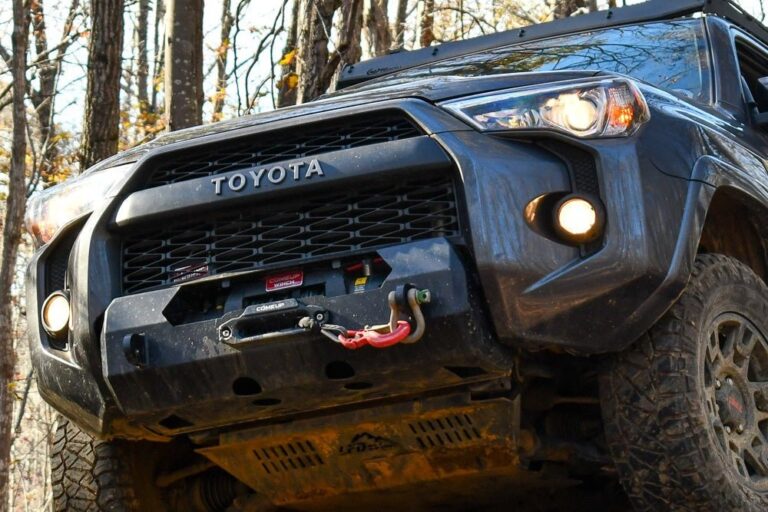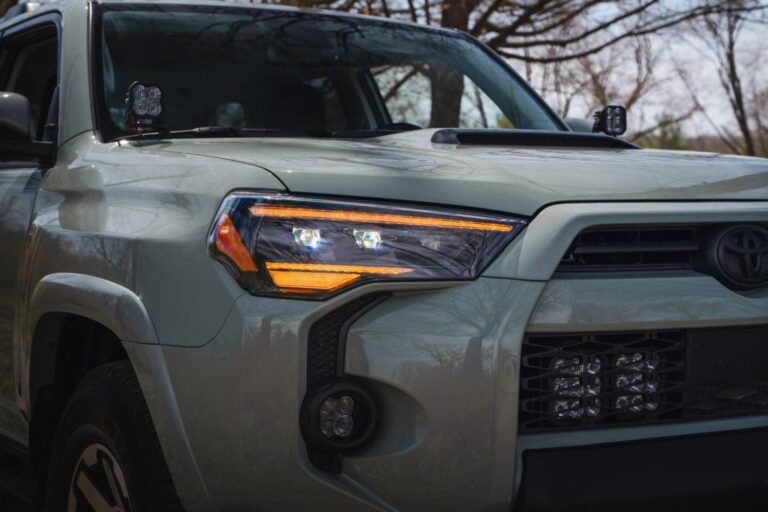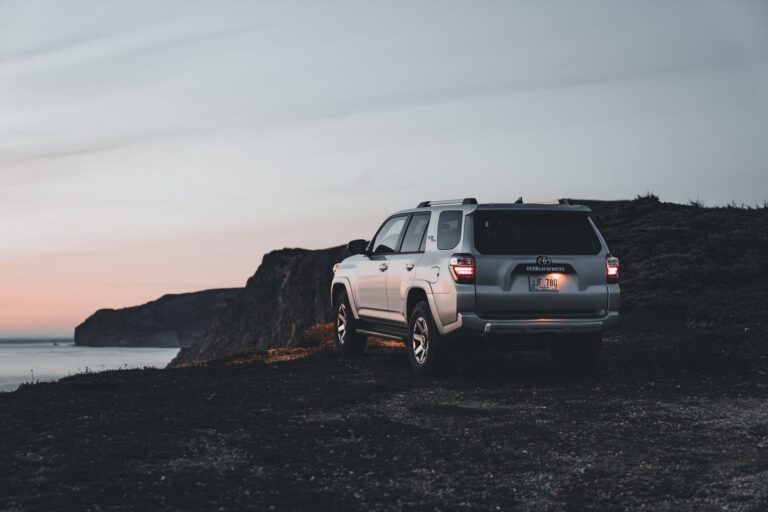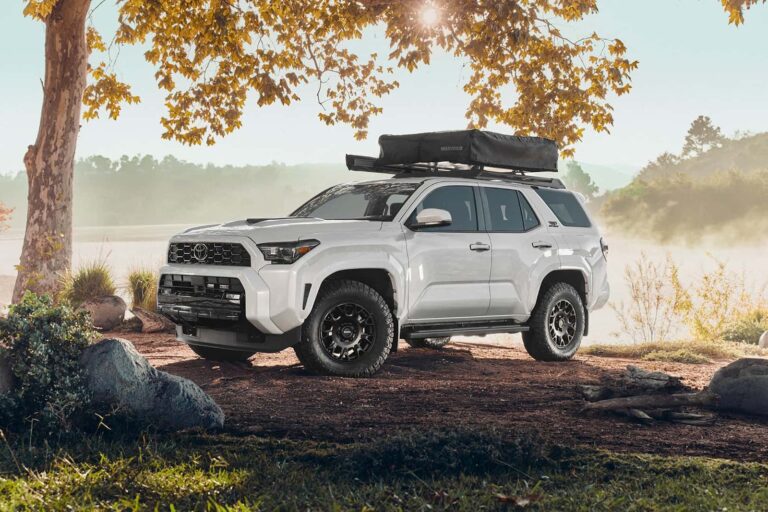
The best cargo liners for the Toyota 4Runner are typically custom-fit thermoplastic trays from WeatherTech, Husky Liners, or OEM Toyota accessories, ranging in price from $120 to $230 depending on material thickness and coverage area. These top-tier options provide precise containment for spills and mud while protecting the factory carpet from permanent damage during overlanding or daily hauling. Selecting the right liner requires matching your specific 4Runner generation and third-row configuration to ensure proper fitment without interfering with seat folding mechanisms or cargo tie-down points.
Key Takeaways
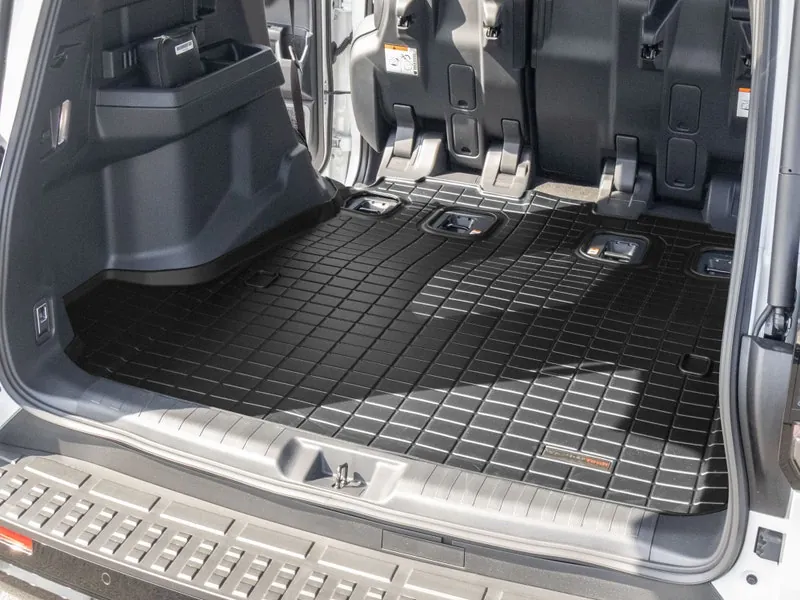
- Custom fitment is mandatory: Universal mats fail in the 4Runner’s unique cargo dimensions, so always verify compatibility with your specific model year and third-row option before purchasing.
- Material dictates performance: Thermoplastic elastomer (TPE) offers superior odor resistance and flexibility compared to rigid high-density polyethylene (HDPE), which can crack in extreme cold temperatures.
- Third-row compatibility varies significantly: Liners designed for five-passenger models won’t fit six or seven-passenger configurations due to different floor contours and seat track placements.
- Raised edges prevent liquid migration: Effective containment requires perimeter walls at least two inches high to keep fluids away from rear quarter panels and electronic modules.
- Texture affects cargo stability: Diamond-plate or grippy surfaces prevent gear from sliding during off-road driving, whereas smooth finishes allow easier cleaning but less load security.
- Installation requires no tools: Quality liners drop in place without adhesives or fasteners, allowing immediate removal for washing and reinstallation within minutes.
Best Cargo Liners for Toyota 4Runner
Choosing the optimal protection involves evaluating three primary market leaders that dominate the 4Runner accessory space based on precision engineering and material science. WeatherTech Cargo Liner remains the benchmark for laser-measured accuracy, utilizing a proprietary TPE blend that balances rigidity for shape retention with enough flexibility for easy installation and removal. Their design includes integrated anti-slip texturing and raised lips that consistently contain liquids better than competitors in standardized spill tests.
Husky Liners GearBox offers a compelling alternative for owners prioritizing maximum durability and aggressive styling over subtle aesthetics. Constructed from their exclusive DuraGrit rubberized material, these liners feature deeper containment channels and reinforced stress points specifically engineered for heavy equipment transport. The surface texture provides exceptional grip for coolers and toolboxes, though some users note the heavier weight makes cleaning slightly more labor-intensive compared to lighter TPE options.
Toyota Genuine All-Weather Cargo Tray serves as the conservative choice for purists wanting guaranteed fitment and resale value alignment. While often manufactured by the same suppliers as aftermarket brands, OEM versions undergo additional validation testing against vehicle safety systems and interior trim tolerances. They typically offer moderate containment depth and simpler textures, representing a middle ground between premium aftermarket performance and basic dealer-installed protection.
Coverage Area Considerations
Full-length coverage extends from the tailgate to the back of the second-row seats, providing comprehensive protection when hauling dirty gear with passengers seated up front. This configuration maximizes utility but requires removing or folding the liner when accessing the third row in applicable models. Most full-length liners include score lines allowing partial trimming for customized length adjustments without compromising structural integrity.
Rear-only coverage protects just the area behind the second row, ideal for owners who rarely fold seats flat but frequently load muddy items through the tailgate. These shorter liners are lighter, cheaper, and never interfere with passenger seating positions. However, they leave the forward cargo zone vulnerable when seats are folded, creating a potential gap where debris can migrate onto exposed carpet.
Material Composition and Durability
Understanding polymer chemistry helps distinguish marketing claims from genuine performance characteristics relevant to automotive environments. Thermoplastic Elastomer (TPE) represents the modern standard, combining rubber-like elasticity with plastic processing efficiency. TPE liners resist UV degradation, remain pliable below freezing, and lack the petroleum distillates causing off-gassing odors common in cheaper alternatives. According to SAE International material standards, TPE formulations must meet specific volatility thresholds ensuring long-term dimensional stability in vehicular applications.
High-Density Polyethylene (HDPE) was the original rigid liner material, offering excellent chemical resistance and low cost. Its crystalline structure provides superior abrasion resistance against sharp tools but sacrifices conformability, potentially leaving gaps along complex floor contours. HDPE becomes increasingly brittle in sub-zero conditions, risking fracture if impacted while frozen. Modern manufacturing has largely shifted toward TPE blends, though budget HDPE options persist for price-sensitive buyers accepting trade-offs.
Rubberized Composites blend natural or synthetic rubber with reinforcing fillers like carbon black or silica. These materials excel at vibration dampening and acoustic insulation, reducing road noise transmission through the cargo floor. However, pure rubber compounds tend to be heavier and may retain moisture longer than thermoplastics, requiring thorough drying to prevent mildew formation underneath. Premium rubberized liners incorporate antimicrobial treatments mitigating this risk effectively.
Fitment by Model Generation
Fifth Generation Compatibility
2010-2024 models share identical cargo floor stampings regardless of trim level, simplifying cross-year compatibility verification. Critical distinctions exist between five-passenger and optional third-row variants, as the latter features recessed seat tracks and modified wheel well covers altering liner geometry. Always confirm part numbers specify your exact seating configuration; installing a five-passenger liner in a third-row equipped vehicle leaves dangerous gaps exposing carpet to damage.
Fourth Generation Legacy
2003-2009 models possess narrower cargo openings and different tie-down anchor placements requiring generation-specific tooling. Aftermarket support remains robust despite age, though selection narrows primarily to established brands maintaining legacy molds. Owners should inspect received liners against actual floor contours immediately upon delivery, as older mold wear can occasionally produce slight dimensional variances affecting edge sealing performance. Verify return policies accommodate fitment issues common with aging vehicle platforms.
Essential Features for Off-Road Use
Aggressive surface texturing prevents expensive recovery gear and camping equipment from shifting during technical trail navigation. Look for multidirectional patterns rather than simple linear grooves, as diagonal forces during sidehill traversal defeat unidirectional designs. Raised nubs or diamond plates create friction coefficients sufficient to hold loaded coolers stationary without additional tie-downs under moderate G-forces encountered on washboard roads.
Integrated tie-down integration preserves factory cargo management functionality often compromised by generic liners. Premium designs incorporate cutouts or molded anchors aligning precisely with 4Runner floor hooks, enabling secure strap attachment without removing protection. Some advanced liners add supplementary D-rings or bungee attachment points, expanding lashing versatility beyond OEM capabilities. Ensure any added hardware uses corrosion-resistant stainless steel components rated for expected loads.
Drainage provisions facilitate field cleaning without complete liner removal. Strategic drain plugs positioned at lowest floor points allow gravity-assisted water evacuation after stream crossings or rain exposure. Plugs should seal positively when closed to prevent dust intrusion yet open easily with gloved hands. Absence of drainage necessitates lifting heavy, water-filled liners for disposal, increasing effort and spill risk during maintenance stops.
Pro Tip: Measure your actual cargo space width between wheel wells before ordering, as factory specifications sometimes exclude protruding trim pieces that reduce usable liner contact area by up to an inch on each side.
Installation and Maintenance Procedures
Installing a new cargo liner requires preliminary thorough vacuuming to remove embedded grit acting as abrasive particles beneath the liner. Any remaining debris accelerates carpet wear through micro-movement during driving vibrations. Use compressed air to clear seat track channels and tie-down recesses where sand accumulates invisibly. Wipe surfaces with diluted all-purpose cleaner to eliminate oily residues preventing proper liner adhesion or causing slippage.
Drop-in positioning should align rear edge flush against tailgate sill before settling forward sections into wheel well contours. Apply even pressure across entire surface to activate anti-skid backing elements engaging carpet fibers. Never force misaligned liners; instead, lift and reposition to avoid permanent creasing or deformation. Allow twenty-four hours for material acclimation to ambient temperature before loading heavy items, ensuring optimal shape memory activation.
Routine cleaning protocol involves shaking out loose debris followed by pressure washing or hose rinsing. Avoid harsh solvents degrading polymer chains; mild soap and water suffice for most contaminants. For stubborn stains, use dedicated automotive interior cleaners tested safe for TPE/rubber surfaces. Dry completely before reinstalling to prevent trapped moisture promoting mold growth or unpleasant odors. Store removed liners flat or rolled loosely to maintain dimensional accuracy.
Warning: Never use silicone-based dressings or tire shine products on cargo liners, as these create dangerously slippery surfaces defeating anti-skid texturing and potentially contaminating gear placed atop treated areas.
Comparing Top Brand Specifications
| Feature | WeatherTech Cargo Liner | Husky GearBox | Toyota Genuine Tray |
|---|---|---|---|
| Primary Material | Proprietary TPE Blend | DuraGrit Rubberized Composite | Thermoplastic Olefin |
| Edge Height | 2.5 – 3 Inches | 3 – 4 Inches | 1.5 – 2 Inches |
| Surface Texture | Anti-Skip Nubs | Aggressive Diamond Plate | Moderate Ribbing |
| Third-Row Options | Separate SKUs Required | Separate SKUs Required | Integrated Design Available |
| Weight Range | 8 – 12 lbs | 12 – 16 lbs | 6 – 9 lbs |
| Warranty Coverage | Limited Lifetime | Limited Lifetime | 12 Months / 12k Miles |
Price Versus Protection Value Analysis
| Tier | Typical Cost Range | Material Quality | Fit Precision | Recommended User Profile |
|---|---|---|---|---|
| Premium Aftermarket | $170 – $230 | Advanced TPE/Rubber Blends | Laser-Measured Custom | Daily Drivers & Overlanders |
| Mid-Range Aftermarket | $120 – $160 | Standard TPE/HDPE | Model-Year Specific | Weekend Warriors & Families |
| Budget/Generic | $60 – $100 | Basic PVC/Rubber | Semi-Custom/Trim-to-Fit | Temporary Protection & Resale Prep |
| OEM Toyota | $140 – $190 | Validated TPO | Factory Guaranteed | Purists & Lease Return Compliance |
Investment justification depends entirely on anticipated abuse levels and ownership duration. Premium liners amortize effectively over decade-long ownership involving regular outdoor recreation, preserving resale value by maintaining pristine cargo carpet condition. Budget options suffice for short-term ownership or vehicles primarily used for pavement commuting with occasional light hauling. Calculate cost-per-use based on expected years of service rather than absolute price to determine true economic efficiency for your specific usage pattern.
Related guides
- Best Roof Racks For Toyota Prius: Top Picks & Fit Guide
- Cargo Carrier Weight Limit for Toyota Sienna: Ultimate Guide
- Weathertech Vs Husky Liners for Toyota Sienna: Ultimate Comparison
FAQs About Best Cargo Liners for Toyota 4Runner
Will a 4Runner cargo liner fit a Lexus GX?
No, despite sharing platform architecture, the 4Runner and Lexus GX have distinctly different cargo floor shapes, wheel well intrusions, and trim geometries. Using incorrect model liners results in poor coverage, interference with seat mechanisms, and potential safety hazards. Always purchase liners specifically designated for your exact vehicle make and model year to guarantee proper fitment and protection effectiveness.
Can I install a liner with the third row installed?
Yes, provided you select a liner specifically designed for third-row equipped 4Runners. These specialized liners account for seat track recesses and modified floor contours absent in five-passenger versions. Attempting to force a standard liner around third-row hardware causes buckling, incomplete coverage, and potential damage to seat adjustment mechanisms. Verify product descriptions explicitly state third-row compatibility before purchasing.
Do cargo liners cause carpet mold underneath?
Mold develops only when moisture becomes trapped beneath improperly maintained liners. Prevent this by ensuring complete drying before reinstallation and periodically removing liners for inspection and carpet airing. Quality liners feature anti-skid backing allowing airflow rather than creating vapor barriers. Address spills promptly and avoid installing liners over damp carpets to eliminate conditions supporting microbial growth and associated odors.
Are hard plastic liners better than rubber ones?
Neither material is universally superior; each excels in different scenarios. Hard plastics offer easier wipe-down cleaning and chemical resistance but transmit more road noise and slide easier. Rubber composites provide better grip, sound dampening, and cold-weather flexibility but require more effort to clean thoroughly. Choose based on your priority between maintenance convenience and functional performance characteristics relevant to your typical cargo types.
How do I remove odors from a used liner?
Eliminate persistent smells through enzymatic cleaners breaking down organic compounds rather than masking agents. Soak affected areas according to product directions, then rinse thoroughly and sun-dry completely. Baking soda paste applied overnight absorbs residual odors before final washing. Avoid bleach or ammonia-based products damaging polymer structures. Persistent odors despite proper cleaning indicate deep contamination requiring professional detailing or liner replacement.
Conclusion
Measure your cargo area dimensions today and compare them against manufacturer specifications for your preferred liner brand to confirm fitment before ordering, ensuring your investment delivers immediate protection without frustrating returns or modifications.

I am Julian Drive, an automotive enthusiast and repair expert with over 7 years of hands-on experience in vehicle maintenance. At Carora Hub, I simplify complex car issues into easy-to-follow DIY guides to help drivers stay safe and save on repair costs.