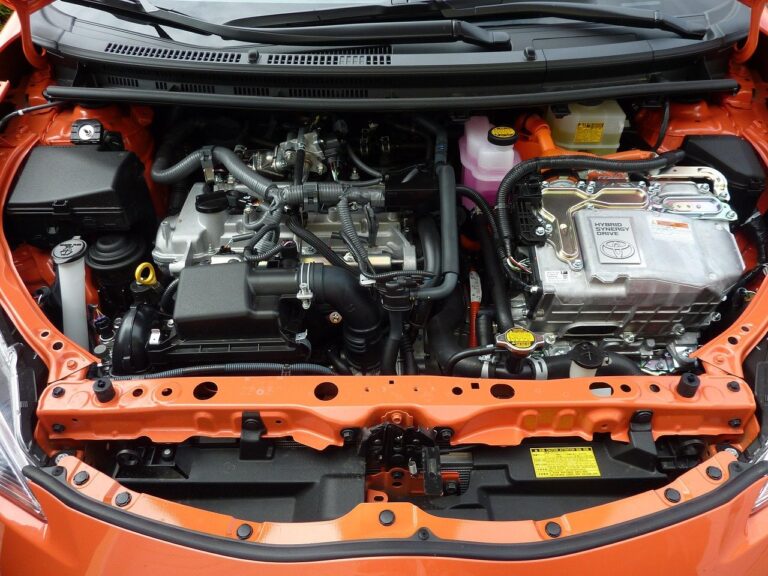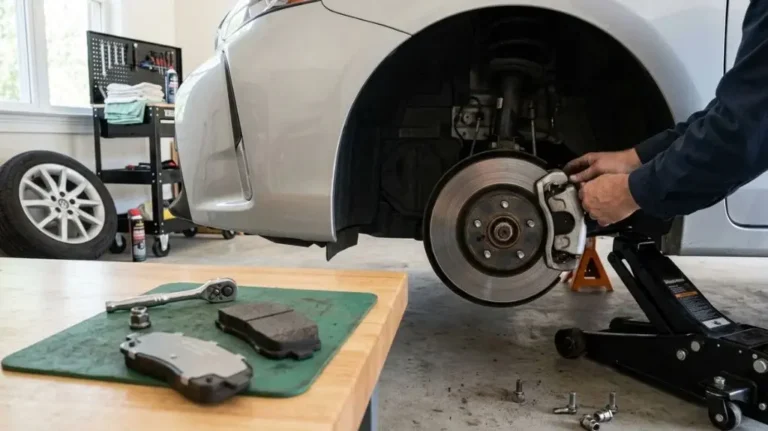
Front-wheel drive is the better choice for most Prius buyers because it costs less to purchase and achieves slightly better fuel economy on dry pavement. The all-wheel drive version wins only if you regularly face slick, snow-covered roads or steep, icy driveways where starting from a dead stop is difficult. Here is the Toyota Prius AWD vs FWD explained simply.
How Prius drivetrain options are explained
Toyota builds the modern Prius with two distinct drive systems. The front-wheel drive model powers only the front axle, while the electronic all-wheel drive variant adds an independent electric motor to turn the rear wheels.
Each design brings clear compromises in purchase price, mechanical weight, and real-world traction. Understanding these differences helps you avoid paying for mechanical hardware your daily commute will never use.
| Method | How long | Effort | Cost | Best for |
|---|---|---|---|---|
| Factory FWD | Lifespan of vehicle | Low | Low | Daily city commuting and dry highways |
| Electronic AWD (AWD-e) | Lifespan of vehicle | Low | Medium | Light snow, slush, and rainy climates |
| FWD with dedicated winter tires | 3 to 5 winter seasons | High | Medium | Heavy winter ice and steep northern grades |
Using factory front-wheel drive
The front-wheel drive Prius relies entirely on the hybrid gas engine and front electric motor to move the car.
- Start the car with your foot firmly pressing the brake pedal until the green “Ready” light turns on.
- Shift the drive selector lever into Drive (D) to engage the front transaxle.
- Accelerate gently from a stop to let the front tires establish clean contact with the road.
- Keep a steady throttle pressure on slick surfaces so the built-in traction control system avoids cutting engine power.
This setup delivers the highest miles per gallon of any Prius trim level. It also keeps your purchase price down because you avoid paying for an extra rear motor and rear inverter.
The honest weakness is initial take-off grip: if you stop on a steep, wet hill, the front tires can slip before finding grip. Anyone who needs to haul heavy cargo up unpaved gravel trails should consider a traditional truck or mechanical four-wheel drive SUV instead.
Using electronic all-wheel drive

Toyota calls its Prius system AWD-e, which uses an independent electric motor mounted to the rear axle. There’s no heavy mechanical driveshaft connecting the front and back of the vehicle.
- Turn on the vehicle and verify normal hybrid operation on your central instrument cluster.
- Pull the gear selector down into Drive (D) as you normally would.
- Apply normal accelerator pressure; the car automatically sends power to the rear wheels at low speeds to prevent slipping, with the system capable of engaging at higher speeds depending on the model year.
- Drive as needed; the rear motor engages on demand when sensors detect front-wheel slip up to highway speeds on fifth-generation models.
This system provides prompt, confident starts at icy stoplights and during cold morning pull-outs. It activates automatically, so you never need to push buttons or lock diffs.
Its trade-off is a minor drop in combined fuel economy due to roughly 140 pounds of added rear electrical hardware. This setup isn’t for deep off-road mud or rock crawling, because the car still sits low to the ground.
Upgrading a FWD Prius with winter tires
Buying an extra set of dedicated winter tires transforms a front-wheel drive car into a capable cold-weather machine.
- Purchase four matching winter tires certified with the severe snow service three-peak mountain snowflake symbol.
- Mount the tires onto dedicated steel wheels or swap them onto your factory Prius rims in late autumn.
- Inflate all four tires to the cold tire pressure listed on your driver-side door jamb placard.
- Drive carefully on winter roads, allowing normal stopping distances while the special rubber grips cold asphalt.
This method delivers superior braking and lateral cornering on hard ice compared to an all-wheel drive car riding on worn all-season rubber. The big drawback is ongoing effort: you must store an extra set of four tires and swap them based on usage patterns and the manufacturer’s recommended intervals found in your owner’s manual.
A fourth option is carrying emergency tire socks in your trunk, which work for sudden mountain passes but shred quickly if driven across bare pavement.
Choosing between Toyota Prius AWD and FWD
Your local winter weather and road incline determine which setup you should pick.
If you’re in a hurry to buy an affordable car off the lot with minimal hassle, choose the front-wheel drive model. It’s cheaper, easier to find in dealer inventory, and needs fewer mechanical components to inspect over its lifespan.
If you’re buying your first hybrid and worry about basic driving comfort in rainy regions, the electronic all-wheel drive model is your safest bet. It handles the torque delivery on slick asphalt without spinning the front wheels, providing consistent traction and stability.
If you want the best possible winter traction whatever it takes, choose the all-wheel drive model and fit it with dedicated winter tires. That combination gives you both multi-wheel drive torque off the line and specialized rubber compounds for short emergency stops.
Rules that apply to both Prius drivetrains
Every Prius model requires correct tire maintenance to keep its electronic stability systems operating properly. The National Highway Traffic Safety Administration explains how proper tire pressure and adequate tread depth protect against wet-weather hydroplaning.
Check your tire pressures once a month when the tires are cold, setting them to the exact psi printed on your driver-side door pillar. Inspect tread depths across all four tires before every winter season using a simple depth gauge.
If you drive an all-wheel drive model, your rear tires must match the front tires in diameter, wear level, and tread pattern. Mismatched tire sizes confuse the vehicle’s wheel-speed sensors and can trigger false traction warnings.
If warning lights appear on the dash for your hybrid transaxle or rear motor, don’t attempt to splice high-voltage orange cables yourself. High-voltage hybrid circuits carry dangerous currents, so take the vehicle to a qualified hybrid technician.
Frequently asked questions Of Toyota Prius AWD vs FWD Explained
Does the Prius AWD have lower gas mileage?
Yes, the all-wheel drive Prius gets about 2 to 4 fewer miles per gallon than a matching front-wheel drive model. The difference comes from the extra weight of the rear motor and occasional electric current sent to the back axle.
Does Prius AWD run all the time?
No, the rear electric motor only operates when you accelerate from a dead stop or when onboard wheel sensors detect front-wheel slip. On clear dry roads at steady cruising speeds, the car operates strictly as a front-wheel drive vehicle to conserve battery power.
Can an AWD Prius handle deep snow?
No, an all-wheel drive Prius can’t safely drive through snow deeper than about 6 inches. The car has around 5 to 6 inches of ground clearance, which varies by trim, so deeper snow will lift the car’s flat underbody off the ground.
Do I need snow tires if I buy an AWD Prius?
Yes, you still need snow tires if you regularly drive on hard-packed snow or freezing ice. All-wheel drive helps you accelerate forward, but it doesn’t shorten your braking distance or keep your car from sliding sideways around corners.
What happens if the rear electric motor fails?
A dashboard warning light turns on, and the car’s hybrid management system cuts power to the rear drive unit. The car will continue to operate normally as a standard front-wheel drive hybrid, allowing you to drive safely to a repair shop.
How much extra does the AWD option weigh?
The electronic all-wheel drive system adds approximately 140 to 145 pounds to the vehicle’s curb weight. Most of this mass comes from the rear electric motor, mounting brackets, and the dedicated electronic control unit fitted under the rear cargo area.
Conclusion
A simple decision rule works best: if you face fewer than ten snowy days a year, choose the front-wheel drive model; if your winter commute regularly involves unplowed slush, choose all-wheel drive. The standard front-wheel drive car handles rain and flat city roads without drama, keeping your ownership costs low. Skipping the rear motor saves money on tires, fuel, and initial retail markup over the entire life of your hybrid.

I am Julian Drive, an automotive enthusiast and repair expert with over 7 years of hands-on experience in vehicle maintenance. At Carora Hub, I simplify complex car issues into easy-to-follow DIY guides to help drivers stay safe and save on repair costs.