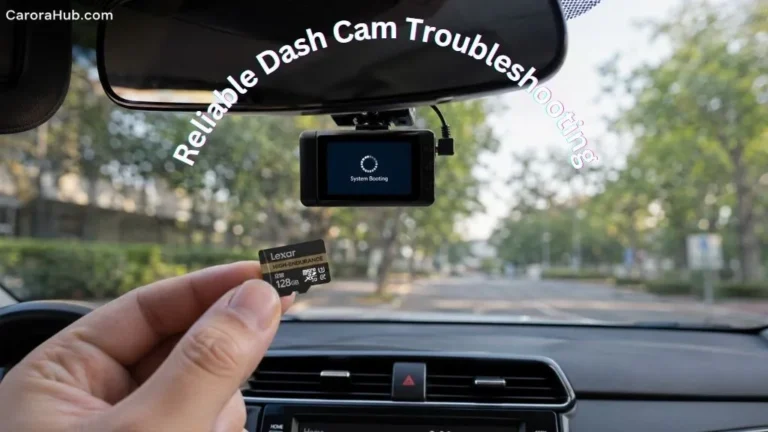
If you use a dash cam, the microSD or SD card is the camera’s memory. I treat mine like a small hard drive that needs regular maintenance. It quietly records everything on the road: accidents, near-misses, sudden stops, scenic drives and sometimes proof that I was not at fault. Yet many drivers forget the card needs care. Formatting is a simple maintenance step that keeps recordings reliable. Skip it and your dash cam may stop recording or lose important footage when you need it most.
So, how often should you format your dash cam SD card? The short answer is: it depends. There’s no one-size-fits-all like “once a year.” It depends on the dash cam model, the card quality, your driving hours, how the camera uses parking mode, and the climate where you park. In this guide I share practical, experience-based advice so you can pick the right schedule and avoid common mistakes.
This guide covers why formatting matters, how flash memory and cycle recording work, step-by-step formatting methods, what can go wrong if you skip formatting, and how to choose the best microSD card for dash cams. I also include quick checklists and troubleshooting steps I use when a card acts up. You’ll walk away with an easy-to-follow plan to keep your dash cam and SD card in top shape.
Why Formatting Matters For Dash Cam Sd Cards
A dash cam constantly writes and rewrites files on the SD card. It does loop recording: the camera saves short video files and overwrites the oldest ones when storage fills. Over time the card’s file system can get messy. Leftover fragments from deleted files and interrupted writes can make it harder for the camera to save new clips correctly.
Formatting is a deeper reset than deleting files. It erases the file table and re-initializes the card. That removes hidden errors, removes fragmented file entries, and tells the camera where to write fresh files. Done regularly, formatting improves reliability and reduces the chance of corrupted video files.
Main Reasons To Format Regularly
- Prevents file corruption: Interrupted writes, sudden power loss, and repeated overwrites can corrupt the file system. Formatting clears these errors.
- Improves recording reliability: Old data fragments can slow write operations. A freshly formatted card writes faster and records video without hiccups.
- Extends SD card lifespan: Formatting helps the card controller manage wear and distribute writes more evenly across memory cells.
- Ensures compatibility: Some dash cams need specific file systems (FAT32 or exFAT). Formatting in the camera sets the correct format and folder structure.
Top dash cam brands like BlackVue, Thinkware, and Garmin suggest formatting every few weeks. That guidance is sensible, but “every few weeks” varies by use case. My recommendation below helps you match frequency to real driving habits.
How Dash Cam Sd Cards Work
Understanding a dash cam SD card helps you see why formatting matters.
A dash cam uses flash memory on the microSD card. Flash memory has limited write cycles. Each memory cell can only be erased and rewritten a finite number of times. This limit is called write endurance. Because dash cams loop-record, they repeatedly write and erase the same storage space. That puts steady pressure on the card.
When the card is full, the camera overwrites the oldest files. This is cycle recording. Over many cycles you can get file fragmentation, bad blocks, or a corrupted file allocation table. Formatting clears those issues and gives the camera a clean layout to work with.
What Happens If You Don’t Format
If you never format your card, problems can creep in slowly. Here are the common failures I’ve seen:
- File system errors: The camera may stop saving files or create files that won’t open.
- Video gaps: Important clips can be incomplete because the camera can’t decide where to write new data.
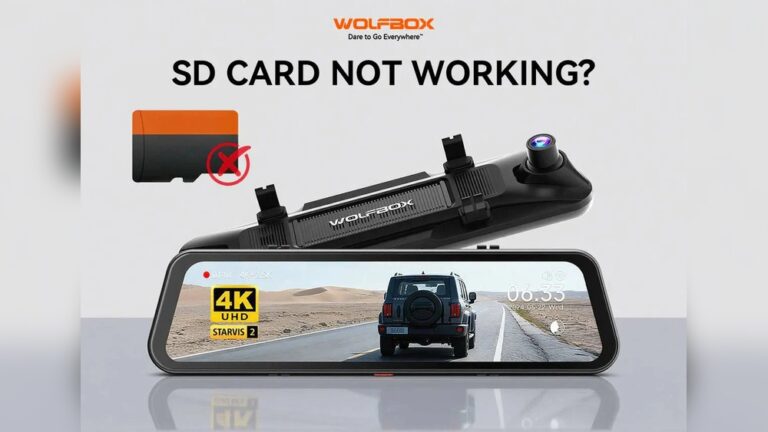
- Sudden card failure: The camera may report “SD Card Error” or “Card Full” even after you delete files.
A scheduled format clears these issues. It is a low-effort step that prevents the worst outcomes.
How Often Should You Format Your Dash Cam Sd Card?
There is no single correct interval for everyone. But you can follow practical rules based on how you use your car. I use these tiers to decide when to format my own dash cams.
General Recommendations
- Heavy daily use (rideshare, taxi, delivery): Format once a week.
- Daily commute (1–2 hours per day): Format every 2–3 weeks.
- Occasional use (weekends only): Format once a month.
- After a major event (accident, abrupt power loss, or an “SD Card Error”): Format immediately after saving your important clips.
Manufacturers’ guidance matches these ranges. BlackVue often recommends formatting every three weeks. Thinkware suggests biweekly formatting for heavy users. I follow similar intervals and keep a calendar reminder to avoid skipping it.
Quick visual at a glance:
| Usage Type | Recommended Formatting Frequency |
|---|---|
| Heavy (Taxi, Rideshare, Delivery) | Once per week |
| Regular Commuter | Every 2–3 weeks |
| Occasional (Weekend) | Once per month |
| After Major Event/Error | Immediately after saving footage |
Why Frequency Matters
More driving equals more writes. That’s why heavy users need more frequent formatting. Light drivers can go longer between formats, but I still recommend at least a monthly check. Formatting prevents hidden file errors that build up over time.
Special Cases
- Extreme temperatures: Hot summers and freezing winters speed up wear. Format more often if your car sees extreme heat or cold.
- Older SD cards: An older card shows more errors. Format every 1–2 weeks or replace it.
- Parking mode use: If your dash cam records while parked (impact or time-lapse), treat it as heavy use. Format weekly or biweekly.
What Happens If You Don’t Format Regularly?
Skipping formatting may feel harmless, but issues accumulate. Here are real problems drivers face:
Missing Or Corrupted Video Files
A frequent complaint is finding that an important clip — an accident or hit-and-run — is missing or will not play. This usually happens when the file allocation table is corrupted or file fragments are broken. Formatting restores a clean file table and prevents this from happening again.
Camera Freezing Or Rebooting
Dash cams may freeze or reboot when they encounter unreadable sectors. When this happens, users often blame the camera firmware first. I check and format the SD card before assuming the camera itself is at fault.
Shortened Sd Card Life
Flash memory wears out with repeated writes. Unfixed errors can create “bad blocks” that reduce usable capacity and shorten life. Regular formatting helps the controller map out bad blocks and keep the card usable longer.
Insurance Or Legal Problems
If you need footage for insurance or the police, a corrupt or blank card can cost you. I back up key clips before formatting so I always have evidence saved off the card.

Credit: eu.redtigercam.com
How To Format A Dash Cam Sd Card
Formatting is straightforward, but method matters. Use your dash cam when possible. If the card has errors, format on a computer or use the manufacturer’s utility.
Formatting In The Dash Cam
Most dash cams have a menu item to format the SD card. This is the safest option. The camera applies the correct file system and creates the proper folder structure for recordings, event files, and GPS logs.
Steps:
- Power the dash cam on.
- Open the menu and find “Format SD Card” or “Format Memory.”
- Confirm (press “OK” or “Yes”).
- Wait for the camera to finish (usually 1–2 minutes).
Tip: Save important clips first. Never remove the card while the camera is recording. Hot-swapping can cause file corruption.
Formatting On A Computer
If the dash cam cannot format the card, or if the card shows errors, format on a computer. Use an SD card reader and choose the right file system.
Steps:
- Remove the SD card from the dash cam.
- Insert it into your computer or a USB card reader.
- Open “This PC” (Windows) or “Finder” (Mac).
- Right-click the SD card and select “Format.”
- Choose the file system: FAT32 for cards up to 32GB, exFAT for 64GB and larger.
- Click “Start” to format.
- Eject the card safely and put it back in the dash cam.
Important: Some cameras require a particular cluster size or folder layout. If your dash cam manual lists specific settings, use those. When in doubt, format in the camera.
Using Manufacturer Tools
Brands such as BlackVue and Thinkware provide formatting utilities or apps. These tools often perform a deeper format tailored to the camera’s file structure. Use them if you have persistent errors.
Recommended Formatting Options and Tools
- Use camera-built formatting first.
- If problems persist, use the manufacturer’s PC utility.
- For stubborn errors, use a full (not quick) format on a computer and then reformat in the camera.
- Do not format on a phone unless the phone tool supports raw formatting without adding hidden files.
Choosing The Right Sd Card For Your Dash Cam
Formatting frequency also depends on the card type. Not all SD cards are built for constant writes.
Types Of Sd Cards
- Standard SD Cards: Cheap. Not designed for constant rewriting. They tend to fail quickly in dash cams and security cameras.
- High Endurance SD Cards: Built for continuous recording in surveillance and dash cams. These are the best choice.
- UHS (Ultra High Speed) Cards: Faster write speeds. Useful if your camera records high resolution video and supports UHS ratings.
High endurance cards are my go-to. Models like Samsung PRO Endurance, SanDisk High Endurance, and Kingston High Endurance are designed for 24/7 recording and handle hundreds of thousands of write cycles.
Card Size And Formatting
Bigger cards (128GB, 256GB) fill slower and often need formatting less frequently. But even large high-end cards benefit from periodic formatting to clear hidden errors.
Card comparison:
| Type | Best For | Average Lifespan (Dash Cam Use) | Recommended Formatting Frequency |
|---|---|---|---|
| Standard SD | Light use, not recommended | 3–6 months | Every 1–2 weeks |
| High Endurance | Daily/heavy use | 1–2 years | Every 2–4 weeks |
| UHS | Fast writing, compatible cams | 6–12 months | Every 2–3 weeks |
Note: Even the best cards wear out. For daily drivers, plan to replace the card every 1–2 years. Keep records of purchase dates and model numbers so you can rotate or replace proactively.
Common Mistakes When Formatting Dash Cam Sd Cards
I’ve seen many simple mistakes that cause lost footage or reduce card life. Avoid these common errors:
Mistake 1: Only Deleting Files, Not Formatting
Deleting files leaves the file system intact. Hidden fragments remain. Always format rather than just deleting folders to reset the card fully.
Mistake 2: Using The Wrong File System
Some dash cams expect FAT32; others support exFAT on larger cards. A wrong file system can cause crashes. Use the camera’s format function or follow the manual’s recommended settings.
Mistake 3: Formatting On A Smartphone
Smartphone format tools may add hidden files or set the card up improperly. Prefer the dash cam or a computer for formatting. If you must use a phone, use a reliable app that performs a full format.
Mistake 4: Forgetting To Save Important Footage First
Formatting erases everything. Always copy accident clips or event footage to a computer or cloud before formatting.
Mistake 5: Ignoring “sd Card Error” Messages
Don’t ignore “SD Card Error” or “Card Full” messages. Format the card and test it. If problems persist, replace the card rather than hoping it will recover on its own.
Insider tip: Some dash cams require a full format rather than a quick one. Full formatting takes longer but can repair deeper file system issues. Check your manual for the recommended method.
Signs It’s Time To Format (or Replace) Your Sd Card
Watch for these warning signs:
- Recording stops suddenly.
- Dash cam reboots or freezes.
- SD card error messages appear.
- Missing or corrupted videos.
- Card not recognized by the camera.
If you see any of these, format the card right away. If issues come back after formatting, it’s time to replace the card.

Credit: www.lancerinsurance.com
How To Maximize Sd Card Lifespan
Formatting helps, but it’s one of several best practices I follow to prolong card life:
- Use high endurance microSD cards designed for surveillance and dash cams.
- Format regularly according to your usage level.
- Keep dash cam firmware updated for compatibility and bug fixes.
- Avoid removing the SD card while the camera is on to prevent corrupted files.
- Store spare cards in a dry, cool place. Avoid dust, moisture, and extreme heat.
- Replace cards every 1–2 years for heavy users; every 2–3 years for light users.
- Backup important videos before formatting or swapping cards.
How To Set A Formatting Reminder
It’s easy to forget formatting. I use a few simple reminders that keep maintenance on schedule.
- Phone reminders: Create a repeating calendar event (weekly, biweekly, monthly).
- Dash cam apps: Some manufacturers’ apps offer reminders or maintenance alerts.
- Manual log: Keep a note in the glove box with the last format date and next due date.
Special Tips For Fleet Drivers And Business Users
Fleet and business users face higher risks because vehicles run more hours. I’ve worked with fleet drivers and recommend stricter controls for business use.
- Format weekly for each vehicle.
- Rotate cards: Keep spare SD cards to swap out for formatting and inspection.
- Central storage: Backup important footage to a central computer or cloud storage for compliance and incident review.
- Track card ages: Label cards with purchase dates and replace on a fixed schedule.
Is Cloud Storage A Replacement For Formatting?
Cloud backup is helpful for saving specific clips off the vehicle. But it does not replace local formatting. The dash cam still records to the SD card, and that card needs periodic formatting for continued reliability. Use cloud backup as an extra layer of protection — not as a substitute for card maintenance.
Sd Card Formatting Vs. Overwriting: What’s The Difference?
These two processes are often confused. Here’s a clear distinction:
- Formatting: Erases all data and rebuilds the file system. It removes fragmentation and many hidden errors.
- Overwriting: The dash cam writes new files over old files during loop recording. Overwriting does not repair the file system.
Let your camera overwrite as intended, but format on a schedule to reset the card’s structure and avoid slow degradation.
The Role Of Firmware Updates
Firmware updates can fix recording bugs and improve compatibility with newer microSD cards. Check your dash cam manufacturer’s support page and install updates when available. Sometimes update notes also change recommended formatting schedules or file system settings — so read them.
Pro tip: After a major firmware update, format the card in the camera to ensure the new firmware writes files correctly.
Data Recovery After Formatting: Is It Possible?
If you accidentally format a card, you may be able to recover videos. Recovery tools can sometimes restore deleted files if you act quickly. Stop using the card immediately to avoid overwriting recoverable data. The longer you use the card after formatting, the lower the chance of successful recovery.
If you need more technical details about SD standards and file systems, see the Secure Digital Wikipedia page.
Sd Card Formatting: Quick Reference Guide
Use this short checklist when servicing a dash cam card:
| Action | When to Do It | How |
|---|---|---|
| Format SD Card | Weekly to Monthly, depending on use | In dash cam menu or computer |
| Backup Footage | Before formatting or after an incident | Copy files to computer or cloud |
| Replace SD Card | Every 1–2 years (heavy use) | Buy high endurance card |
| Check Firmware | Every 6 months | Visit dash cam website |

Credit: wolfbox.com
FAQs: How Often Should I Format Dash Cam SD Card?
How Do I Know If My Dash Cam Sd Card Is Failing
Look for recording errors, missing files, freezing, or “SD Card Error” messages. If you see these, format the card. If problems return after formatting, replace the card.
Does Formatting Reduce Sd Card Lifespan
No. Formatting does not reduce lifespan in a meaningful way. In fact, regular proper formatting helps manage file system health and can extend usable life by clearing errors and letting the controller remap bad blocks.
Can I Use Any Sd Card In My Dash Cam
Not all cards are equal. Use high endurance SD cards designed for continuous recording. Avoid cheap, no-name cards for dash cam use because they usually fail faster and may corrupt files.
What Happens If I Format The Sd Card On My Computer Instead Of The Dash Cam
Formatting on a computer works fine if you choose the correct file system (FAT32 or exFAT) and cluster size. But formatting in the dash cam is safer because the camera applies the exact file system and folders it expects.
How Often Should I Replace My Dash Cam Sd Card
For daily drivers or heavy users, replace the SD card every 1–2 years. For light users, every 2–3 years is usually enough. Replace sooner if you see repeated errors.
Taking care of your dash cam’s SD card is straightforward. Format on a predictable schedule. Use a high endurance card. Backup important footage before formatting. Keep firmware up to date. These steps help ensure your dash cam is ready when it counts. From my experience, a little regular maintenance prevents most recording problems and keeps video evidence reliable when you need it.

I am Julian Drive, an automotive enthusiast and repair expert with over 7 years of hands-on experience in vehicle maintenance. At Carora Hub, I simplify complex car issues into easy-to-follow DIY guides to help drivers stay safe and save on repair costs.