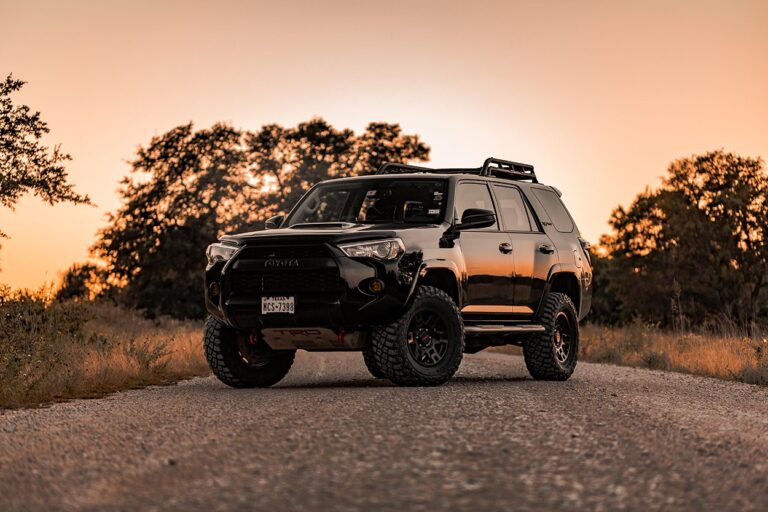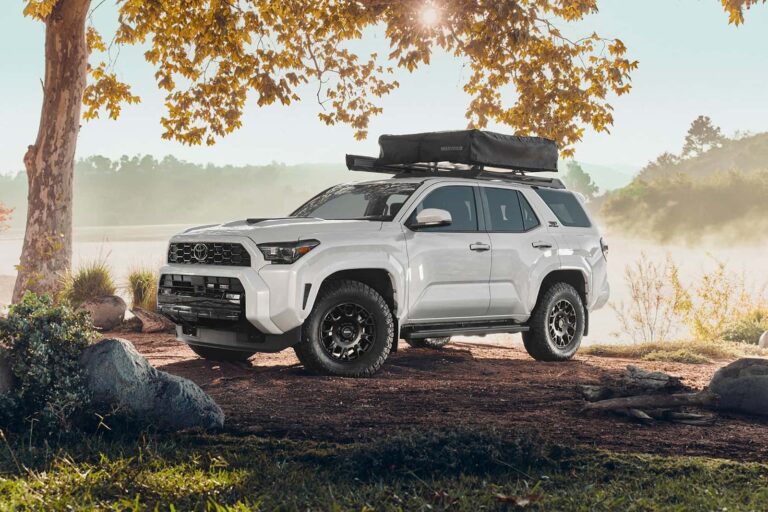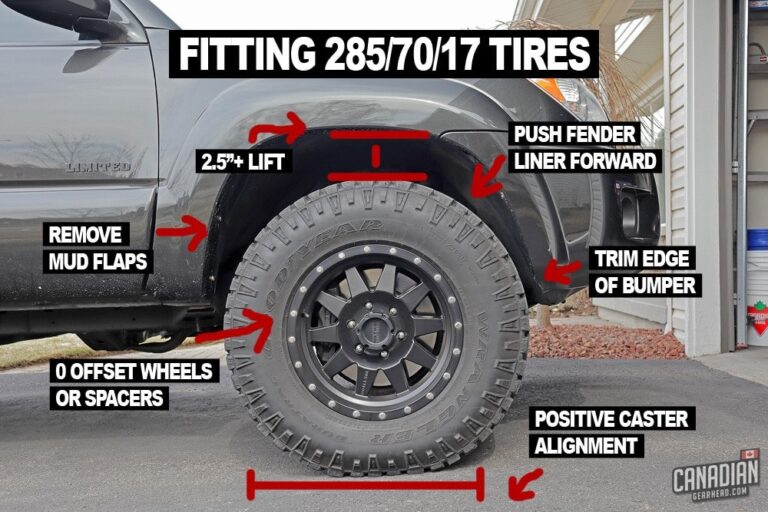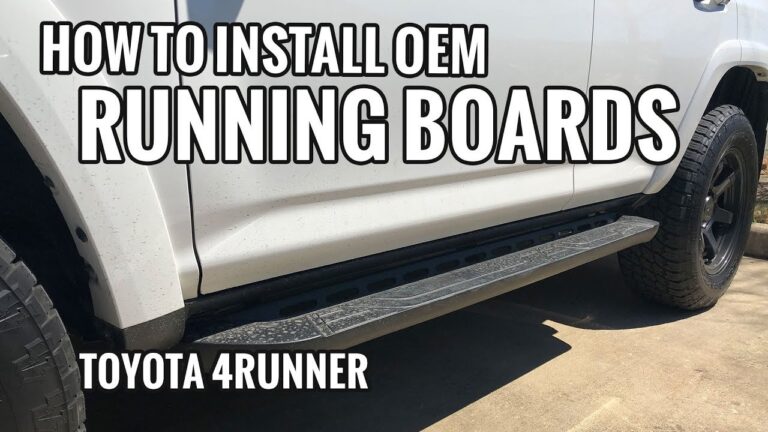
Bull bars that fit the Toyota 4Runner are manufactured by ARB, Westin, Smittybilt, Iron Cross, Aries, and N-FAB, with specific models engineered for the fifth generation spanning from 2010 through 2024. Choosing the correct bar requires matching the exact model year to the mounting points on your specific trim level.
Key Takeaways
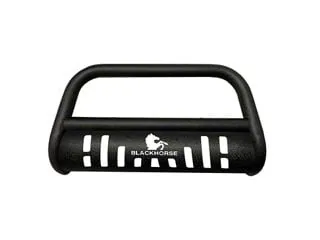
- Fifth-generation 4Runners (2010–2024) share a chassis, but bumper geometry differs between base SR5, TRD Pro, and Limited trims, requiring specific bull bars.
- Steel bull bars offer maximum protection but add significant weight, while aluminum alternatives reduce strain on front suspension components.
- Always verify compatibility with factory sensors, including parking assist cameras and radar cruise control modules, before purchasing any aftermarket guard.
- Installation typically requires removing the factory bumper cover and bolting the new assembly directly to the frame using supplied hardware.
- Check local regulations regarding protruding metal accessories, as some states restrict designs that increase pedestrian injury risk during collisions.
Bull Bars That Fit Toyota 4Runner
The phrase “bull bars” covers several distinct styles of front-end protection, and knowing the difference ensures you buy the right equipment for your driving habits. For the Toyota 4Runner, options range from lightweight center guards to full-width heavy-duty replacements.
A center grille guard protects only the middle section of the bumper and radiator area. Brands like Aries Automotive manufacture these specifically for the 4Runner, offering a minimalist look without adding excessive weight. These bolt directly to the frame horns behind the plastic bumper cover.
A full-width brush guard extends across the entire front fascia, protecting headlights and fenders from trail debris. Westin Automotive produces popular full-width models designed for the fifth-generation 4Runner platform. These require more extensive disassembly during installation but provide comprehensive coverage.
A heavy-duty replacement bumper entirely removes the factory plastic bumper and replaces it with a steel or aluminum fabrication. ARB is the industry leader in this category, engineering bumpers that integrate winch mounts and auxiliary lighting provisions. These are favored by serious off-road enthusiasts who need maximum durability.
| Guard Type | Weight Range | Protection Level | Best Use Case |
|---|---|---|---|
| Center Grille Guard | 30–50 lbs | Moderate | Daily driving, light trails |
| Full-Width Brush Guard | 60–90 lbs | High | Overlanding, moderate wheeling |
| Heavy-Duty Replacement | 100–180 lbs | Maximum | Rock crawling, extreme off-road |
Which Generation Is Your 4Runner?
Fitment depends entirely on the production years of your vehicle. The fifth generation represents the most common platform currently receiving aftermarket support, but older models still have dedicated options available from specialized manufacturers.
Fifth-generation models produced from 2010 to 2024 utilize a shared body-on-frame architecture. However, Toyota introduced facelifts in 2014 and 2021 that altered the shape of the plastic bumper cover and headlight assemblies. Manufacturers like Smittybilt design their guards to clear both pre-facelift and post-facelift geometries, but you must select the correct part number based on your specific build date.
Fourth-generation vehicles built between 2003 and 2009 feature different frame rail spacing. Guards designed for newer trucks won’t align properly with these older mounting points. Iron Cross Automotive historically produced application-specific guards for this era, though availability may require searching specialty retailers rather than standard automotive chains.
Third-generation models from 1996 to 2002 remain popular in the used market. Finding new production guards for these older platforms is increasingly difficult, often requiring custom fabrication or sourcing discontinued inventory from secondary markets.
Checking Your Trim Level
Even within the same model year, the trim level dictates which bull bar fits correctly. The TRD Pro features unique fog light housings and a slightly different lower valance compared to the standard SR5. The Limited trim includes additional chrome accents and sensor placements that can interfere with universal mounting brackets. Always confirm the manufacturer’s fitment notes explicitly list your exact trim designation before ordering.
This Guide May Help You: How to Install LED Headlights on Toyota 4Runner
Steel Versus Aluminum Construction
Material selection impacts vehicle handling, fuel economy, and overall durability. Both metals serve distinct purposes depending on how aggressively you use your 4Runner off pavement.
Steel construction remains the traditional choice for serious off-roaders. Mild steel tubing, typically measuring one-quarter inch thick, absorbs massive impacts from rocks or wildlife without bending. The downside is substantial weight. Adding over one hundred pounds to the front end compresses the factory coil springs, potentially causing a noticeable forward rake. Many owners installing steel bumpers simultaneously upgrade to heavier-duty front springs or install spacer lifts to maintain a level stance.
Aluminum alloys provide a compelling alternative for drivers prioritizing weight savings. Aluminum bull bars weigh roughly half as much as their steel counterparts while still offering meaningful protection against brush and minor trail obstacles. Brands like C4 Fabrication specialize in CNC-cut aluminum plates assembled into rigid structures. Aluminum doesn’t rust, making it ideal for coastal environments where salt air rapidly corrodes untreated steel.
| Material | Typical Weight | Rust Resistance | Impact Tolerance | Cost Range |
|---|---|---|---|---|
| Mild Steel | 100–180 lbs | Low (requires coating) | Very High | $600–$2,000 |
| Aluminum Alloy | 50–90 lbs | High | Moderate | $800–$2,500 |
| Stainless Steel | 90–150 lbs | Very High | High | $700–$1,800 |
Pro Tip: If you choose a heavy steel replacement bumper, budget for upgraded front suspension components. Factory shocks and springs are calibrated for the original plastic bumper weight; exceeding that limit degrades ride quality and braking performance.
How Do You Install a Bull Bar?
Installing a front guard is a mechanical process that requires patience, proper tools, and strict adherence to the manufacturer’s instructions. While professional installation is always an option, many competent home mechanics complete the job in a driveway.
Begin by parking the 4Runner on a flat surface and disconnecting the negative battery terminal. This prevents accidental deployment of electrical systems and protects sensitive computer modules during the removal process. Remove the plastic push-pins and bolts securing the factory bumper cover. Carefully pull the cover away from the vehicle, disconnecting any wiring harnesses attached to fog lights or parking sensors.
Once the plastic cover is removed, expose the factory frame horns. These are the reinforced steel mounting points welded directly to the chassis. Most bull bars utilize these existing holes, meaning no drilling into the frame is required. Slide the mounting brackets onto the frame horns, insert the supplied high-tensile bolts, and hand-tighten them.
Before fully torquing the hardware, hang the main bull bar structure onto the brackets. Verify alignment with the headlights, grille, and fender flares. Ensure adequate clearance so the metal doesn’t rattle against the body panels during suspension articulation. Once aligned, torque all fasteners to the specifications provided in the instruction manual using a calibrated wrench. Reconnect the battery and test all lighting functions.
Required Tools for Installation
Gathering the correct equipment beforehand prevents frustrating delays mid-project. You’ll need a complete metric socket set, as Toyota uses metric fasteners exclusively. An impact driver significantly speeds up the removal of stubborn factory bolts. A floor jack or a second pair of hands is essential for supporting the heavy guard while you thread the initial fasteners. Finally, apply thread locker to all critical mounting bolts to prevent vibration from loosening them over time on rough terrain.
Will It Block Your Sensors?
Modern 4Runners rely heavily on electronic safety systems mounted behind or within the front bumper assembly. Ignoring these components during a bull bar installation can disable critical safety features or trigger persistent dashboard warning lights.
The Toyota Safety Sense suite utilizes a millimeter-wave radar sensor typically located behind the emblem or lower grille mesh. Thick steel tubing positioned directly in front of this sensor will blind the system, disabling adaptive cruise control and pre-collision braking. Some bull bar manufacturers engineer cutouts specifically designed to leave the radar cone unobstructed, while others require relocating the sensor bracket to a safe position below the guard.
Parking sonar sensors embedded in the lower bumper fascia also require attention. If your chosen bull bar covers these ultrasonic transmitters, the parking assist system will generate false alarms or shut down entirely. Look for guards that include provisions for relocating these sensors into the new metalwork.
For vehicles equipped with front-facing cameras used in multi-terrain monitor systems, ensure the camera housing remains visible and unobstructed. Even a slight misalignment caused by a poorly fitting bracket can render the trail camera useless. Consult the official Toyota Safety Sense guidelines to understand exactly where your vehicle’s sensors are positioned before committing to a purchase.
Warning: Never weld or drill into the factory frame near radar or camera wiring harnesses. Damaging these cables compromises automated emergency braking, creating a severe safety hazard for you and other motorists.
Are Bull Bars Street Legal?
Legality varies significantly depending on your state and municipality. While federal law doesn’t explicitly ban aftermarket front guards, individual jurisdictions enforce their own regulations regarding vehicle modifications and pedestrian safety.
Several states prohibit any aftermarket accessory that protrudes beyond the factory bumper line if it creates an unreasonable hazard to pedestrians. Metal tubing extending past the plastic fascia increases the severity of injuries during low-speed urban collisions. States like New York and Massachusetts maintain strict inspection criteria that may result in a failed registration renewal if an aggressive guard is detected.
Conversely, rural states with high populations of large wildlife generally tolerate or even encourage robust front-end protection. In areas where deer or moose strikes are common, insurance adjusters rarely penalize owners for installing protective equipment.
Always check with your local Department of Motor Vehicles or state police inspection authority before purchasing. Furthermore, notify your auto insurance provider about the modification. Failing to declare added equipment could complicate claims processing if the guard itself sustains damage or contributes to increased repair costs in an accident.
What About Winch Compatibility?
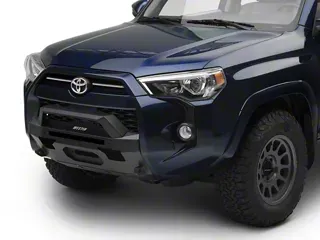
Many 4Runner owners install bull bars specifically to serve as a mounting platform for electric recovery winches. Not every guard supports this function, so identifying your future needs early prevents buying the wrong product twice.
A winch-compatible bumper features a standardized rectangular cradle integrated into its central structure. This cradle accepts industry-standard winch footprints, allowing brands like Warn or Smittybilt to bolt directly into place. The structural integrity of the bumper must be sufficient to handle the pulling force of the winch, which often exceeds nine thousand pounds. Standard grille guards lacking this reinforcement will bend catastrophically under load.
If you don’t plan to mount a winch immediately but want the option later, purchase a bumper with a blank winch plate cover. This allows you to remove the cover and drop a winch into the pre-existing cradle when the need arises, avoiding a complete bumper replacement.
Ensure the combined weight of the steel bumper, winch motor, and spooled synthetic or steel cable doesn’t exceed your front axle rating. Overloading the front end stresses wheel bearings, ball joints, and steering tie rods, accelerating wear on critical drivetrain components.
FAQs Of Which Bull Bars Fit Toyota 4Runner
Do bull bars affect airbag deployment?
Properly engineered bull bars designed for your specific 4Runner model year won’t interfere with airbag deployment. Manufacturers test crash sensors to ensure the factory timing remains intact. However, cheap universal guards that alter the crush zones of the front frame rails might delay sensor activation. Always purchase application-specific guards from reputable brands to maintain factory safety parameters.
How much does a 4Runner bull bar cost?
Pricing varies based on material and complexity. Basic center grille guards start around three hundred dollars, while full-width steel assemblies typically range from six hundred to twelve hundred dollars. Premium aluminum replacement bumpers with integrated winch mounts and lighting provisions frequently exceed two thousand dollars. Professional installation labor adds another two hundred to five hundred dollars depending on shop rates.
Can I install a bull bar myself?
Yes, mechanically inclined owners routinely perform installations at home. The process involves basic hand tools, removing the plastic bumper cover, and bolting the new hardware to existing frame holes. No welding or drilling is required for quality application-specific kits. Allow three to five hours for your first attempt, and enlist a helper to safely lift heavy steel components into position.
Will a bull bar decrease my gas mileage?
Adding heavy steel equipment to the front of your vehicle increases overall mass and aerodynamic drag. Expect a minor reduction in fuel efficiency, typically ranging from one to three miles per gallon depending on driving conditions. Aluminum guards minimize this penalty due to their lighter weight. Highway cruising suffers more noticeably than city driving because wind resistance scales exponentially with speed.
Do I need to repaint a steel bull bar?
Most steel guards ship with a black powder-coated finish designed to resist corrosion. However, rock chips and trail scratches will eventually expose bare metal. Touch up damaged areas promptly using matching spray paint or bedliner aerosol to prevent surface rust from spreading. Aluminum and stainless steel variants don’t require painting, though they benefit from occasional cleaning to maintain appearance.
Are brush guards and bull bars the same thing?
While often used interchangeably, subtle differences exist. A bull bar typically refers to a smaller center guard protecting the grille. A brush guard implies a wider structure covering headlights and fenders. Replacement bumpers encompass the entire front fascia. Retailers categorize them differently, so focus on the physical dimensions and coverage area described in the product specifications rather than relying solely on marketing terminology.
Conclusion
Selecting the correct front protection transforms your 4Runner’s capability and appearance, but accuracy matters more than aesthetics. Measure your specific model year, verify sensor clearances, and match the material weight to your suspension limits. Visit a trusted off-road retailer today to compare fitment guides and order the exact guard engineered for your truck.

I am Julian Drive, an automotive enthusiast and repair expert with over 7 years of hands-on experience in vehicle maintenance. At Carora Hub, I simplify complex car issues into easy-to-follow DIY guides to help drivers stay safe and save on repair costs.