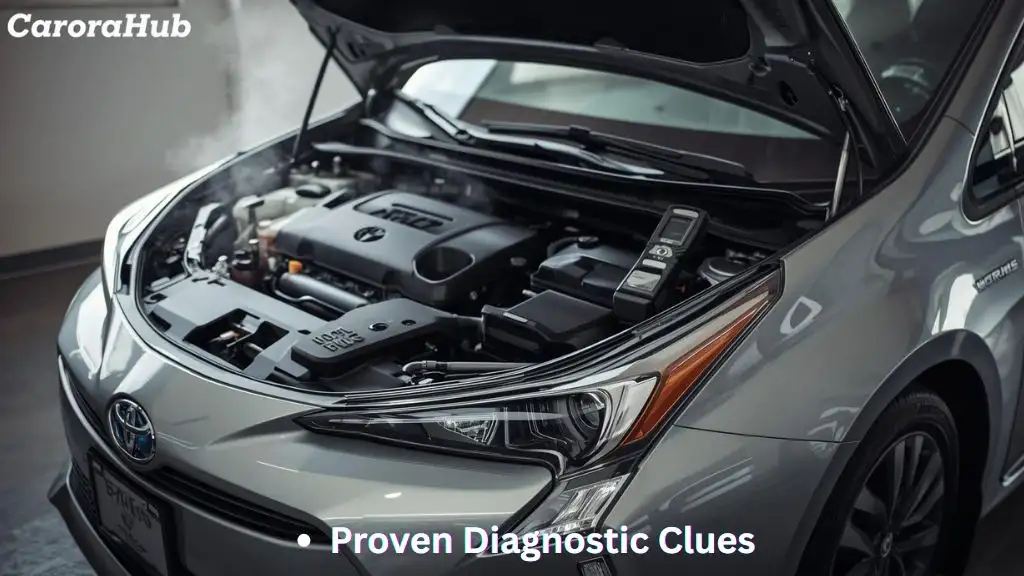
If you own a third-generation Toyota Prius, noticing strange issues under the hood can be worrying. One common problem you might face is head gasket failure.
But how do you know if this is happening to your car? Understanding the symptoms early can save you time, money, and stress. You’ll learn the key signs of head gasket failure in your Gen 3 Prius and what steps to take next.
Keep reading to protect your car and keep it running smoothly.
Credit: natesnextgenauto.com
Common Causes Of Head Gasket Failure
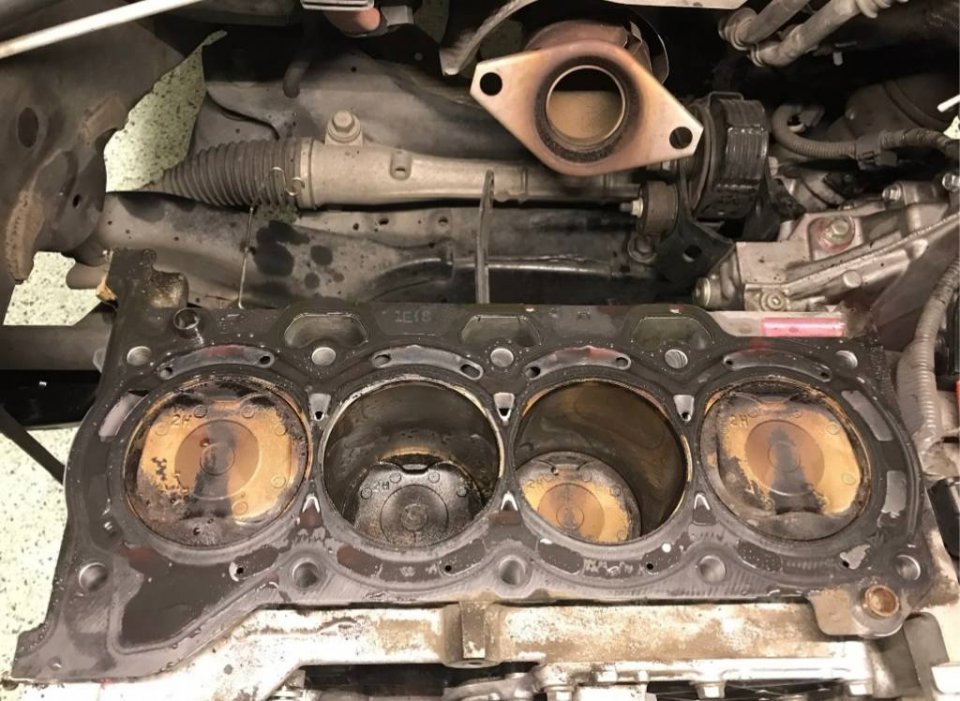
Head gasket failure in a Toyota Prius Gen 3 can stem from several common causes. Understanding these causes helps to spot issues early and avoid costly repairs. The head gasket seals the engine block and cylinder head. It keeps coolant and oil from mixing. When it fails, the engine overheats and performance drops.
Several factors put stress on the head gasket. These stresses lead to cracks or breaks. Most causes relate to engine overheating or wear and tear.
Overheating Due To Cooling System Problems
The cooling system keeps the engine temperature normal. A broken radiator, low coolant, or a failing water pump causes overheating. Overheating expands engine parts and weakens the head gasket seal. This leads to leaks and eventual failure.
Engine Age And Wear
Older engines experience wear and tear. The metal parts expand and contract over time. This constant movement can crack the head gasket. High mileage Prius models are at higher risk.
Improper Installation Or Repairs
Incorrect head gasket installation causes early failure. If the gasket is not aligned or tightened properly, leaks appear. Poor repairs also damage the gasket seal. Always use skilled mechanics for head gasket work.
Detonation Or Engine Knock
Engine knock happens when fuel burns unevenly. This causes pressure spikes inside the engine. The extra pressure strains the head gasket. Over time, this weakens or cracks the gasket.
Overheating From External Causes
External issues like a broken thermostat or clogged radiator cause engine heat. Heat damages the head gasket and reduces its lifespan. Keeping the cooling system healthy prevents this cause.
Read More: How to Replace Toyota Prius Inverter Coolant Pump
Early Warning Signs To Watch
The Toyota Prius Gen 3 is known for reliability, but head gasket failure can happen. Early warning signs help catch problems fast. Watch closely for changes in your car’s behavior. Small issues can signal bigger engine troubles ahead.
Noticing these signs early can save money and avoid breakdowns. Pay attention to unusual sounds, leaks, and engine performance. Your car often tells you when something is wrong.
Overheating Engine
The engine temperature rising above normal is a key sign. Overheating can mean the head gasket is leaking. A hot engine can cause serious damage quickly. Check the temperature gauge often during drives.
White Smoke From Exhaust
White smoke coming from the exhaust means coolant may enter the combustion chamber. This is a clear sign of head gasket problems. The smoke often smells sweet due to burning coolant. Spotting this early can prevent engine damage.
Coolant Loss Without Leak
Coolant disappearing with no visible leak is suspicious. The head gasket may be letting coolant into the engine. Keep an eye on coolant levels between fills. Sudden drops mean trouble under the hood.
Milky Oil Appearance
Oil that looks milky or frothy suggests coolant mixing with oil. This mix reduces lubrication and harms the engine. Check the oil dipstick for unusual color or texture. This warning needs immediate attention.
Rough Engine Idle
The engine running unevenly or shaking at idle signals a problem. A failing head gasket can cause misfires and rough idling. Notice any changes in engine smoothness during stops. Early detection helps avoid costly repairs.
Engine Overheating Indicators
The Toyota Prius Gen 3 can show signs of engine overheating if the head gasket starts to fail. Engine overheating is a serious issue that needs quick attention. Recognizing the early signs can help prevent bigger damage. These signs warn you about overheating problems in the engine. Understanding them is key to keeping your Prius running smoothly.
High Temperature Gauge Reading
The temperature gauge on your dashboard will rise above normal levels. It may move close to the red zone. This shows the engine is running hotter than it should. Do not ignore a high temperature gauge. It is a clear sign of possible overheating.
Steam From The Engine Bay
Steam coming from under the hood is a strong warning. It means coolant is leaking or boiling. This happens when the engine gets too hot. Steam usually appears near the front of the car. Check for steam right after driving or stopping the car.
Coolant Loss
Coolant helps keep the engine cool. A head gasket leak can cause coolant to disappear quickly. You may notice the coolant level dropping often. This leads to overheating as the engine loses its cooling power.
Engine Warning Light
The check engine light may turn on during overheating. It signals a problem with the engine’s temperature. This light can alert you before serious damage occurs. Pay attention if the warning light stays on.

Credit: www.youtube.com
Coolant And Oil Contamination Symptoms
Coolant and oil contamination is a key sign of head gasket failure in a Toyota Prius Gen 3. This problem can lead to serious engine damage if not noticed early. Coolant mixing with oil or oil mixing with coolant shows the head gasket is leaking. Watch for these warning signs to catch the issue quickly.
Milky Or Frothy Oil
Oil looks milky or frothy when coolant leaks into it. This change in oil color shows contamination. The engine oil loses its ability to lubricate well. This can cause engine parts to wear faster.
Coolant Level Drops Without Leak
Coolant disappears but no visible leak is found. It may be leaking into the oil system instead. This hidden loss is a strong sign of head gasket failure. Check coolant levels often to spot this early.
White Smoke From Exhaust
White smoke from the exhaust means coolant burns in the engine. This happens when coolant enters the combustion chamber. It signals a failing head gasket allowing fluid mix. This smoke smells sweet and looks thick.
Engine Overheating
Oil and coolant mixing reduces cooling efficiency. The engine temperature rises quickly and stays high. Overheating can cause more damage if the problem is ignored. Watch your temperature gauge carefully.
Performance Issues Linked To Head Gasket
Performance problems often point to head gasket failure in the Toyota Prius Gen 3. The head gasket plays a key role in sealing the engine’s cylinders and preventing leaks. Once it starts to fail, the engine cannot work as it should. This leads to noticeable drops in power and efficiency.
Drivers may notice the car feels weaker or struggles during acceleration. These issues arise because the engine loses compression or mixes coolant with oil. Both conditions hurt the engine’s ability to run smoothly and deliver power.
Reduced Engine Power
The engine may lose power suddenly or feel weak during driving. This happens because the head gasket no longer seals the combustion chamber tightly. Compression leaks lower the engine’s strength, causing slower acceleration and poor performance.
Engine Misfires And Rough Idle
Misfires can occur when the spark plugs fail to ignite fuel properly. A damaged head gasket allows coolant or oil into the cylinders, disrupting combustion. This causes the engine to run roughly or shake while idling.
Overheating And Poor Fuel Economy
Coolant leaks from a blown head gasket often cause engine overheating. An overheating engine loses efficiency and burns more fuel. This results in lower miles per gallon and higher running costs.
Excessive Exhaust Smoke
White or bluish smoke from the exhaust can indicate coolant or oil burning. This happens when the head gasket leaks fluids into the combustion chamber. Smoke is a clear sign the engine is not operating normally.
Preventive Measures And Maintenance Tips
Taking care of your Toyota Prius Gen 3 head gasket helps avoid costly repairs. Small steps and regular checks keep the engine healthy. These actions reduce the risk of head gasket failure. Protect the engine with simple maintenance tasks.
Understanding the right care methods saves time and money. Following clear, easy tips helps maintain your car’s performance. This section shares key preventive measures for long-term engine health.
Regular Coolant Checks And Changes
Coolant keeps the engine temperature stable. Low or dirty coolant can cause engine overheating. Check coolant levels often and refill if needed. Change coolant according to the car’s manual schedule. Clean coolant prevents corrosion and blockages in the cooling system.
Monitor Engine Temperature Gauge
Watch the temperature gauge while driving. A sudden rise means the engine is overheating. Stop the car safely and let the engine cool down. Overheating can damage the head gasket quickly. Early detection helps avoid serious engine problems.
Inspect For Oil And Coolant Leaks
Leaks under the car or around the engine need attention. Oil or coolant leaks signal a possible gasket problem. Check for puddles or wet spots regularly. Fix leaks early to prevent engine damage and head gasket failure.
Routine Engine Oil Changes
Clean oil lubricates engine parts well. Old oil can cause engine wear and overheating. Change engine oil based on the service schedule. Use the recommended oil type for your Prius. Good oil quality supports head gasket health.
Listen For Unusual Engine Noises
Strange sounds like knocking or hissing are warning signs. These noises can come from a failing head gasket. Pay attention to new or odd engine sounds. Report them to a mechanic for quick inspection.
Credit: priuschat.com
Final Verdict
The Toyota Prius Gen 3 head gasket can fail over time. Watch for symptoms like overheating, white smoke, or oil leaks. Early detection helps avoid costly repairs. Keep your engine cool and check fluids often. Fix problems quickly to protect your car’s health.
Staying alert saves money and stress. Your Prius will run better with proper care. Don’t ignore warning signs. Take action to keep your ride smooth and safe.
FAQs Of Toyota Prius Head Gasket Failure Symptoms Gen 3
What Are Common Symptoms Of Gen 3 Prius Head Gasket Failure?
Common symptoms include engine overheating, white smoke from exhaust, coolant leaks, and poor engine performance. These signs indicate a possible head gasket issue needing immediate attention.
How Does Head Gasket Failure Affect Toyota Prius Gen 3?
It causes coolant mixing with engine oil, leading to overheating and engine damage. This failure reduces engine efficiency and may result in costly repairs.
Can I Drive A Prius Gen 3 With A Bad Head Gasket?
Driving with a failed head gasket risks severe engine damage. It’s best to stop driving and repair the gasket promptly to avoid further issues.
What Causes Head Gasket Failure In Toyota Prius Gen 3?
Common causes include engine overheating, poor maintenance, and manufacturing defects. Excessive heat damages the gasket seal, leading to leaks and engine problems.

Hello, I’m Norman. I work as a car researcher. I am the voice behind CaroraHub. I have over 15 years of experience. I give simple and useful car advice. I help with car care, cleaning, and small repairs. My goal is to help you keep your car healthy. I want car care to be easy and cheap for you. You can trust my tips to keep your car working well for a long time.