Driving your Prius B on hills can feel tricky if you don’t know how the gears work. I’ve driven steep roads often, and I used to worry about losing control or wearing out the brakes too fast.
There’s a simple, safe way to handle steep inclines and long descents. Once you understand how and when to use the Prius “B” gear, you’ll control speed better, protect the brakes, and enjoy smoother hill driving. I’ll share practical tips from real driving, not just theory.
Read on to learn clear, usable advice that makes hill driving in a Prius B stress-free and safer every time.

Credit: www.youtube.com
Prius B Gear Basics
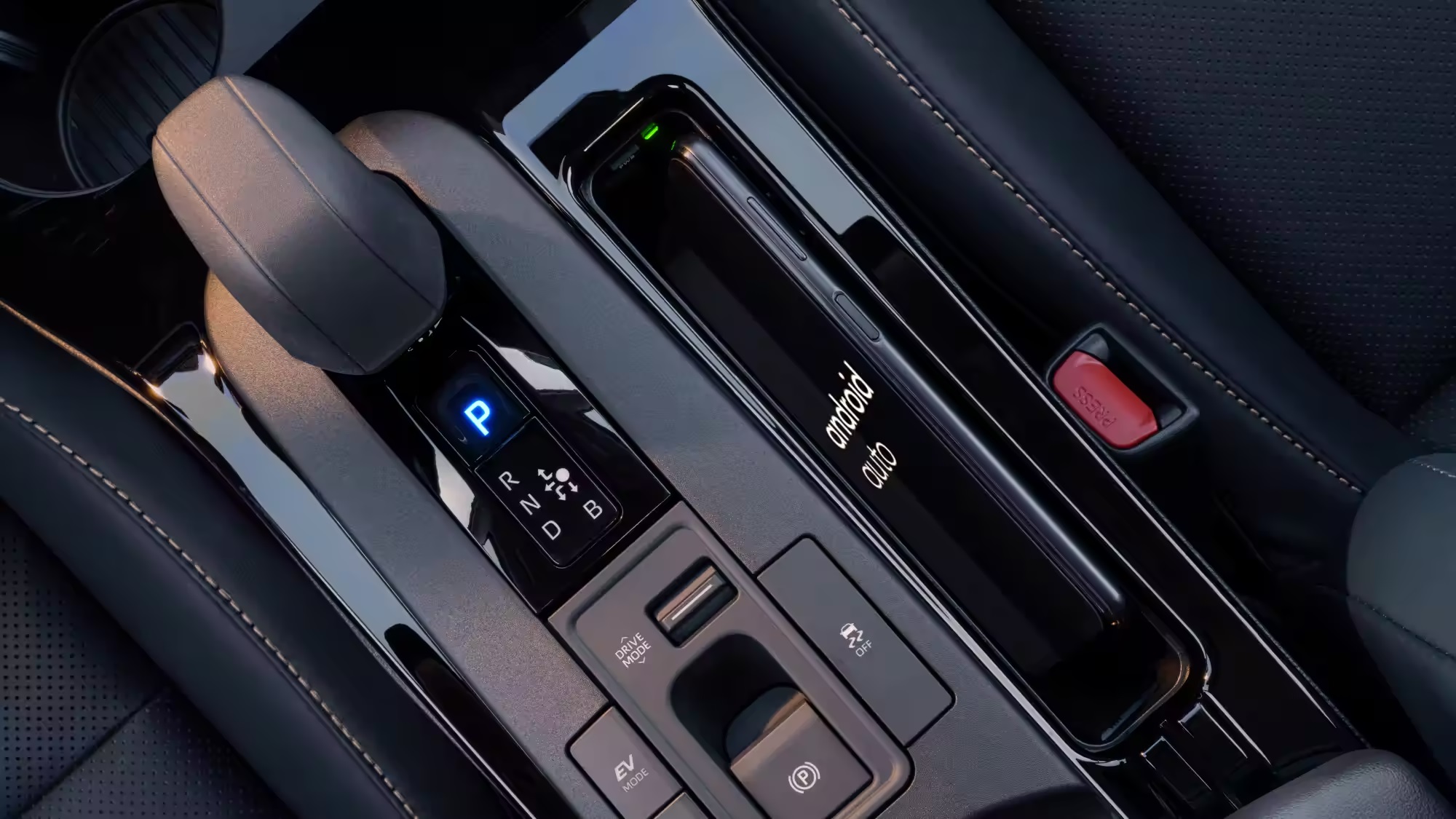
The Prius B gear is part of Toyota’s hybrid e-CVT system. It is not a low gear like in a manual car. Instead, B increases engine braking. That means the engine helps slow the car when you lift off the accelerator. I find this handy on long hills and mountain roads.
Understanding the B position, how it interacts with regenerative braking, and when to pick it over D (Drive) keeps your hybrid working well. Below I explain the main points in plain language so you can use B with confidence.
What Each Gear Does
Here’s a quick, practical breakdown:
- D (Drive) — This is your normal mode. It balances power, smoothness, and fuel economy. Use D for city driving, cruising, and most uphill work.
- B (Engine braking) — B raises engine resistance to slow the car. It adds stronger engine braking than D. That reduces brake use on long declines. It does not change the hybrid battery modes; regenerative braking still works as designed.
- Other modes — Park (P), Reverse (R), and Neutral (N) work as expected. Sport or EV modes (if present) are separate functions and don’t replace B on descents.
In short: use D for most driving. Use B when you want extra slowing power from the drivetrain on long or steep downhill stretches.
When To Use B Gear
Shift into B gear on long, steep descents. It helps hold a steady speed without constant brake pressure. I switch to B early on a downhill and back to D once the slope eases. That keeps brake temperature down and gives me more predictable speed control.
Avoid using B on flat roads or in stop-and-go city traffic. It is not meant for routine driving or climbing. On short hills, remain in D and use power from the engine and electric motor instead.
How the hybrid drivetrain affects B gear
Modern Prius models use an e-CVT and regenerative braking. B works with this system. When you use B, the engine and motor software hold higher rpm or resistance to slow the car. Regeneration still captures energy when you brake. But B shifts the balance toward engine braking, which is helpful when you want steady downhill speed without repeated brake inputs.
Credit: www.northridgetoyota.com
Driving Uphill With B Gear
Using B while climbing requires care. In most cases, I do not shift to B to climb. I keep the car in D to let the hybrid drivetrain manage torque and fuel economy. But there are times when B can help on steep, long climbs—for example, to maintain higher rpm so the engine stays in a comfortable power band.
Maintaining Engine Power
B increases engine braking and can keep the engine at higher rpm. On very steep grades, this can prevent the engine from lugging. In my experience, use B only if you notice the engine struggling in D and you need more consistent power delivery. Most drivers will find D gives smoother acceleration uphill while preserving battery assist.
Avoiding Overheating
B reduces brake use but can make the engine work harder for longer. That can raise coolant and hybrid-system temperatures. Watch the temperature gauge. If the car runs hot, ease off and shift back to D. I check temps on long climbs and pause if needed. This simple habit avoids stress on the engine and hybrid components.
When to use D instead of B on climbs
Use D for normal uphill driving. D gives better fuel economy and lets the electric motor assist. Save B for descents, or rare uphill scenarios where engine braking behavior helps maintain engine rpm and prevents stalling-like feel. Keep an eye on temperature and fuel consumption when testing this on unfamiliar routes.
Using B Gear Downhill
Downhill is where B shines. I use it to hold speed on long declines. It lowers brake usage, prevents fade, and gives me steady control on winding roads. Below are practical points to use B safely.
Enhancing Engine Braking
B increases engine braking force. When you lift your foot off the gas, the car slows more than it would in D. That reduces the need for continuous brake pressure. In my long downhill drives, B helped keep brake temperatures lower and gave me more confidence on steep slopes.
Controlling Speed Safely
Use B to maintain a steady, safe speed downhill. Keep your foot off the accelerator and apply gentle brake inputs only when needed. This mix reduces brake wear and keeps the car predictable on turns and gradients. If you need sudden stopping power, the hydraulic brakes still work normally—B does not replace them.
How B and regenerative braking work together
Regenerative braking captures energy whenever the motor slows the car. B supplements that by using engine resistance. You get both effects. The result is less heat in the brake pads and more captured energy returned to the hybrid battery. That can help battery charge slightly on long downhill stretches.
Common Mistakes To Avoid
Drivers often misuse B gear. I’ve seen two recurring errors that cut safety and harm components. Avoid these to protect your Prius and enjoy better hill control.
Overusing B Gear
B is useful, but overuse can cause drawbacks. If you use B on flat roads, the engine may rev more and burn more fuel. Prolonged use on long climbs or heavy loads can increase engine stress. I recommend B for long, steady descents only. For short slopes, stay in D. Also avoid frequent gear switching while driving—it can make the car less smooth and add wear.
Ignoring Brake Maintenance
Relying on B does not replace proper brake care. Brakes still do most of the stopping. Check pads, rotors, and brake fluid on schedule. On long mountain trips, inspect brakes before and after. Well-maintained brakes work better with engine braking and keep your Prius safe on slopes.
Other common pitfalls
Avoid these too:
- Using B in heavy traffic—causes jerky responses and lower efficiency.
- Assuming B fixes brake problems—don’t delay repairs.
- Staying in B too long—watch engine and hybrid temps.
Tips For Smooth Hill Driving
Here are practical tips I use every time I tackle hills in a Prius. They are short, clear, and easy to remember. Follow them and hill driving becomes routine.
Combining Brake And B Gear
Use B to reduce speed on long descents and then add gentle brake input when needed. Don’t ride the brakes. Instead, let B and regeneration handle most slowing. Tap the brakes smoothly for final adjustments or when you need a precise speed for a corner. This keeps the ride smooth and avoids hot brakes.
Adapting To Different Slopes
Match your gear choice to the slope:
- Gentle slopes: stay in D and use normal braking.
- Moderate slopes: consider B if you want steadier speed.
- Long or steep descents: use B to limit brake use and maintain control.
Watch the road and adjust early. I shift before the steep section rather than during it. That gives predictable handling and avoids surprises.
Quick pre-hill checklist (my personal routine)
- Scan the grade and traffic before you start the descent.
- Shift to B for long downhills. Shift early, not mid-slope.
- Set a safe target speed and use gentle brake taps to hold it.
- Monitor the temperature gauge periodically.
- If the car feels hot or sluggish, pull over safely and let it cool.
Safety Precautions On Hills
Hills add stress to any car. With a Prius, you must consider both the engine and the hybrid system. I treat hill driving like a checklist task. That approach avoids mistakes and keeps the car healthy.
Follow these safety steps to stay safe and protect your Prius on long trips.
Monitoring Vehicle Temperature
Hills can raise engine and hybrid temperatures quickly. Keep an eye on the coolant and hybrid system indicators. If either climbs into the warning zone, stop in a safe place and let the car cool. I also avoid heavy loads and excessive towing on long mountain roads to reduce heat buildup.
Note the warning lights: if the hybrid system or engine temp light comes on, shift to an easier gear and stop if needed. Ignoring warnings risks damage to the engine, inverter, or battery pack.
When To Shift Out Of B Gear
Don’t stay in B longer than needed. Shift back to D when the slope eases or when you reach the valley. That lowers engine load and improves fuel efficiency. I usually switch back to D as soon as the road flattens or traffic flow returns to normal.
If you notice any unusual noises, poor acceleration, or high temps after prolonged B use, stop and inspect or visit a service center.
Emergency handling on steep roads
If your brakes feel weak or fade on a descent, shift to B immediately and use engine braking to slow. Pull into a safe turnout when possible and let components cool. If the brake pedal feels spongy after cooling, have the brake system checked before resuming steep driving.
Credit: www.ebay.com
Frequently Asked Questions
What Is The Prius B Gear “b” Used For On Hills?
The “B” gear increases engine braking for better downhill control. It helps slow the car without heavy brake use. This reduces brake temperature and wear on long descents. It’s designed for safety and component protection on steep declines.
When Should I Shift To “b” Gear While Driving Uphill?
You generally don’t use B for normal uphill driving. Use D for smooth acceleration and better fuel economy. Only consider B uphill if the engine feels strained and holding higher rpm in B helps maintain steady power. This is rare for most Prius drivers.
Does Using “b” Gear Improve Fuel Efficiency On Hills?
No. B does not improve fuel economy. It adds engine resistance to slow the car, which can use more fuel than staying in D. For better mileage on climbs, stay in D and use the hybrid assist features.
Can I Use “b” Gear For Everyday City Driving?
It’s not recommended. B is tuned for sustained engine braking on hills, not stop-and-go traffic. Using B daily can feel jerky, raise fuel use, and add unnecessary wear. Use D for city driving and save B for long descents.
Other FAQ: battery charging and ABS interaction
The Prius still uses regenerative braking and ABS when in B. ABS and traction control operate normally. Regeneration captures energy during braking regardless of B, though the feel may change since the engine contributes more to slowing. If you tow or carry heavy loads, consult the owner’s manual for recommended driving practices on grades.
Conclusion
Using the Prius B gear correctly makes hill driving safer and less stressful. Pick B for long descents to reduce brake wear and keep speed steady. Use D for normal driving and most climbs. Watch temperatures, maintain brakes, and shift early for predictable handling. These simple habits protect your hybrid system and improve safety.
Practice these steps on familiar roads until they feel natural. With a bit of experience, hill driving in a Prius becomes routine—and much more enjoyable. Drive carefully and enjoy the ride.

Hello, I’m Norman. I work as a car researcher. I am the voice behind CaroraHub. I have over 15 years of experience. I give simple and useful car advice. I help with car care, cleaning, and small repairs. My goal is to help you keep your car healthy. I want car care to be easy and cheap for you. You can trust my tips to keep your car working well for a long time.