Is your Toyota Sienna sliding door suddenly refusing to open or close smoothly? This common problem can be frustrating, especially when you need quick and easy access for your family or cargo.
Don’t worry—fixing the sliding door is often easier than you think. I’ve repaired several Sienna doors myself, and in this guide I’ll walk you through simple tests and fixes. Follow these steps and you can save time and money. By the end, your sliding door should move smoothly again.
Common Causes
Toyota Sienna sliding doors stop working for a handful of common reasons. Knowing these helps you diagnose the problem quickly. Many fixes require no special tools and can be done at home.
Power Supply Issues
The power sliding door needs a steady electrical supply. A dead or weak battery, a blown fuse, or a loose connector will prevent the door from opening. Wiring damage or a bad ground can also cut power. When I troubleshoot, I always check the battery and fuses first. If you’re unsure which fuse controls the door, check your owner’s manual or fuse box diagram.
Obstructions In Door Track
Debris in the track is one of the most common reasons for a sticky or jammed door. Dirt, small toys, gravel, and leaves can collect in the lower track or in the roller area. Even a small pebble can stop the door. I clean the track with a flashlight and a rag, then vacuum out the loose debris.
Faulty Door Motor
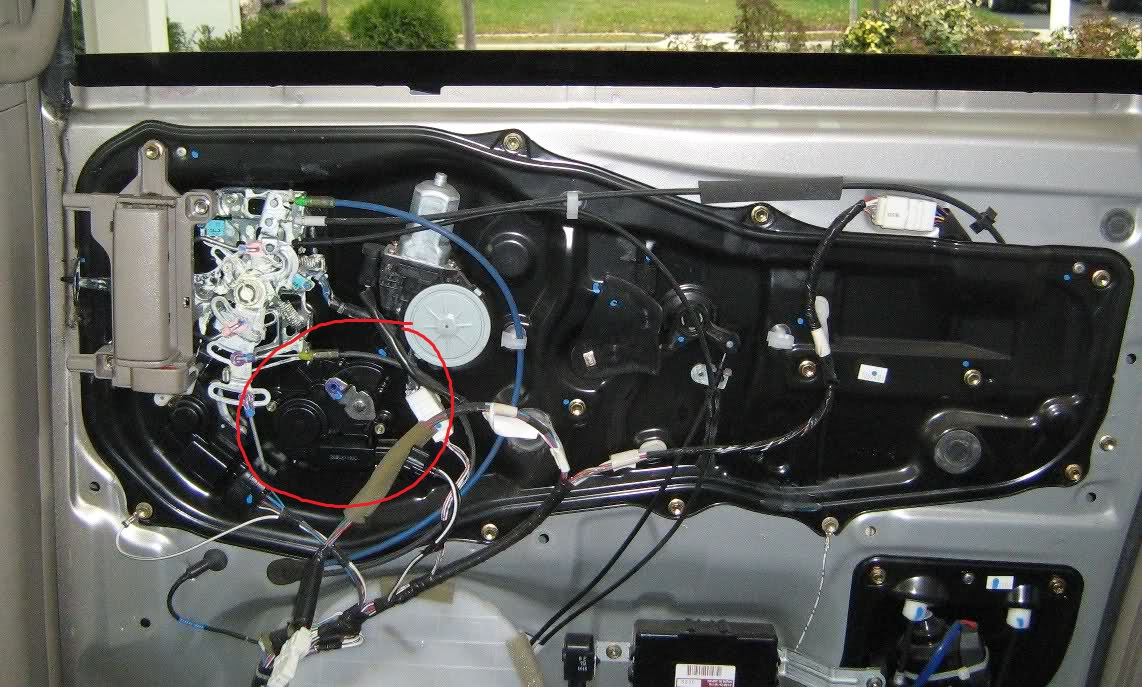
The motor is the heart of the power sliding door. Over time it can wear or develop bad brushes. If you hear nothing when you press the switch, the motor may be dead. If you hear humming, clicking, or grinding, the motor or its gearbox could be failing. A weak motor may move the door slowly or stop under load.
Worn Out Components
Rollers, gears, cables, tracks, and latches wear out. Worn rollers make the door bind or jump on the track. Bent tracks or broken guides can misalign the door. I inspect rollers and visible moving parts for cracks, flat spots, or metal shavings. Replacing worn parts usually restores smooth operation.
Tools Needed
Fixing a Toyota Sienna sliding door is easier with the right tools. Below I list what I use for most repairs. Having these ready saves time and makes the job safer.
Basic Hand Tools
Gather these common tools before you start:
- Screwdrivers (flat and Phillips)
- Combination wrenches and a socket set
- Pliers (needle-nose and regular)
- Trim panel tools or a plastic pry tool
- Flashlight or headlamp
- Shop rags and a small vacuum
These let you open panels, remove debris, and tighten or loosen fasteners safely.
Diagnostic Equipment
For electrical troubleshooting, I rely on:
- An OBD2 scanner — it can show related fault codes from the vehicle’s control modules.
- A multimeter — to test voltage, continuity, and ground connections at the motor, switches, and fuse box.
- Basic test leads and jumper wires — useful for bench-testing switches or the motor (use caution).
These tools help determine if the issue is mechanical or electrical.
Quick Tools Checklist (Print or Save)
- Screwdrivers, socket set
- Pliers, trim tools
- Flashlight, rags, vacuum
- Multimeter, OBD2 scanner
Safety Precautions
Safety comes first. The sliding door system has moving parts and electrical circuits. I always take these precautions to avoid injury or further damage.
Disconnecting The Battery
Start by disconnecting the battery. Remove the negative terminal first. This prevents accidental shorts and keeps modules from activating while you work. After disconnecting, wait a few minutes so capacitors and modules fully discharge.
Handling Electrical Parts
Wear insulated gloves if you can. Do not touch bare conductors with metal tools. Handle connectors by the plastic housings. Keep wiring clean and dry. If you need to bench-test a motor, follow safe jumper wire practices and never let moving parts pinch fingers.
Credit: carspecmn.com
Step-by-step Fix
Troubleshooting a Sienna sliding door is about isolating the cause. I use a methodical approach: check the easy things first, then move to electrical tests and component replacement. Below is the order I follow.
Inspecting The Door Track
Open the door manually if you can. Look along the upper and lower tracks. I check for:
- Visible dirt, leaves, or small objects
- Rust, paint flaking, or bent metal
- Loose bolts or missing fasteners
Clean the track with a rag and a small brush. If the track is bent, you can sometimes straighten small kinks. Larger damage needs a replacement track or professional repair.
Clearing Obstructions
Use a flashlight to inspect the track crevices. I remove toys, coins, and organic debris by hand or with a pair of pliers. Then I vacuum the area and wipe it down. After clearing obstructions, test the door again. Often this alone fixes the issue.
Checking The Power Supply
Next, verify the door’s electrical supply:
- Check the vehicle battery voltage. A weak battery can cause slow or no door movement.
- Inspect fuses related to the sliding door. Replace any blown fuses. If a fuse blows again, there may be a short.
- Look for loose or corroded connectors between the door and body harness. Wiggle connectors gently and re-test.
If you find a damaged wire or connector, repair or replace it. Use proper crimping and heat-shrink tubing for a reliable fix.
Testing The Door Motor
When power is present but the door does not move, test the motor:
- Listen when the switch is pressed. No sound could mean no power or a dead motor. Humming or clicking can indicate the motor is struggling.
- Use a multimeter to check for voltage at the motor connector while operating the switch (do this with care and according to safety steps above).
- If voltage is present and the motor doesn’t run, the motor is likely bad and needs replacement.
Some motors fail intermittently. If the motor runs but is weak, replacing it will restore proper speed and torque.
Replacing Faulty Parts
Replace any worn or broken parts you found. Typical replacements include:
- Door motor or motor assembly
- Rollers and guides
- Track sections or fasteners
- Sensors, switches, or the door control module (if diagnosed)
Use OEM or high-quality aftermarket parts designed for your Toyota Sienna. For fit and reliability, match part numbers when possible. After replacing parts, reconnect the battery and test the door several times. Watch for smooth travel, correct latching, and any unusual noises.
Preventive Maintenance
Preventive maintenance keeps the sliding door working well. I perform a few quick tasks every few months. These steps prevent common failures and save money in the long run.
Small, regular checks are all it takes to keep the door reliable. Here’s my routine:
Regular Cleaning
Wipe down tracks and edges monthly. Remove dust with a soft brush and vacuum. A clean track reduces friction and prevents debris buildup. After cleaning, dry the area to avoid rust.
Lubricating Moving Parts
Apply a silicone spray or white lithium grease to rollers and hinges. Avoid heavy oils that attract dirt. I lubricate every 3–6 months or sooner if the door starts to squeak. Proper lubrication keeps the door quiet and easy to move.
Routine Electrical Checks
Inspect wiring and connectors during routine service. Look for worn insulation, exposed wires, or loose plugs. Test the door switches and operation occasionally. Catching small electrical issues early prevents sudden failures.

Credit: www.youtube.com
When To See A Professional
Some issues are best left to a trained technician. I try simple fixes first, but I call a pro if the problem could cause more damage or involves complex electronics.
Complex Electrical Problems
If the door is completely unresponsive and you’ve checked the battery, fuses, and connectors, the control module or wiring harness may be at fault. These systems require proper diagnostic tools and wiring diagrams. I recommend a shop with Toyota scan tools to read module data and perform safe repairs.
Major Mechanical Failures
Severe track damage, a broken hinge, or a shredded cable are examples of major failures. These parts may need removal and replacement. If the door is misaligned or the frame is bent, a professional can realign and adjust the door safely.
Frequently Asked Questions
Why Is My Toyota Sienna Sliding Door Not Working?
The door can fail from electrical faults, a blown fuse, a weak battery, or a worn motor. It can also jam from debris in the track or from worn rollers. Start with the simple checks: battery, fuses, and a clean track. Those solve most problems I see.
How Do I Reset The Toyota Sienna Sliding Door?
A common reset method is to close the door manually, disconnect the battery for a few minutes, then reconnect it. This can reset the door’s control module and fix minor glitches. Always confirm reset steps with your vehicle’s manual for model-specific instructions.
Can A Dead Battery Cause Sliding Door Failure?
Yes. The sliding door needs electrical power. A weak or dead battery can prevent the motor from running. If the battery tests low, recharge or replace it and then test the door again.
When Should I Replace The Sliding_Door_Motor?
Replace the motor if the door won’t open or close after you confirm power is reaching the motor. Also replace it if the motor runs but the door moves very slowly or stalls. If you’re unsure, have a mechanic confirm the diagnosis before buying parts.
Bottom Line
Most Toyota Sienna sliding door problems start small. Test the battery and fuses. Clear the track and lubricate moving parts. Inspect rollers, cables, and connectors. Use a multimeter or OBD2 scanner if the issue looks electrical. Replace worn parts with correct-fit components.
With basic tools and a short checklist, you can fix many problems yourself. For complex electrical or major mechanical issues, get a shop involved. A working sliding door makes life easier—so don’t delay repairs. If you follow these steps, you’ll likely get your Sienna door moving smoothly again.

Hello, I’m Norman. I work as a car researcher. I am the voice behind CaroraHub. I have over 15 years of experience. I give simple and useful car advice. I help with car care, cleaning, and small repairs. My goal is to help you keep your car healthy. I want car care to be easy and cheap for you. You can trust my tips to keep your car working well for a long time.