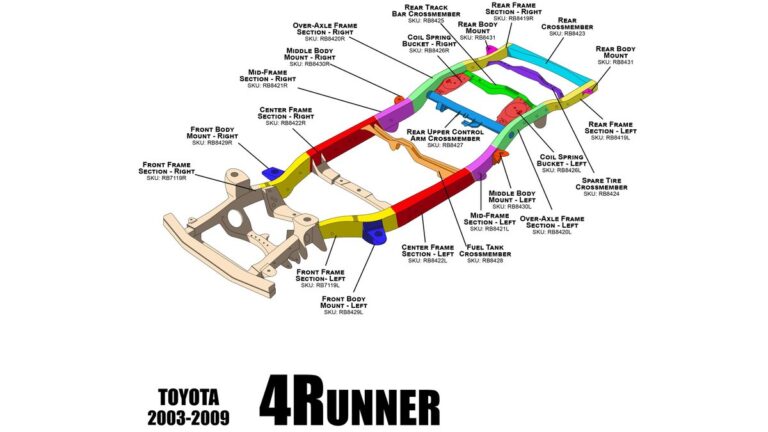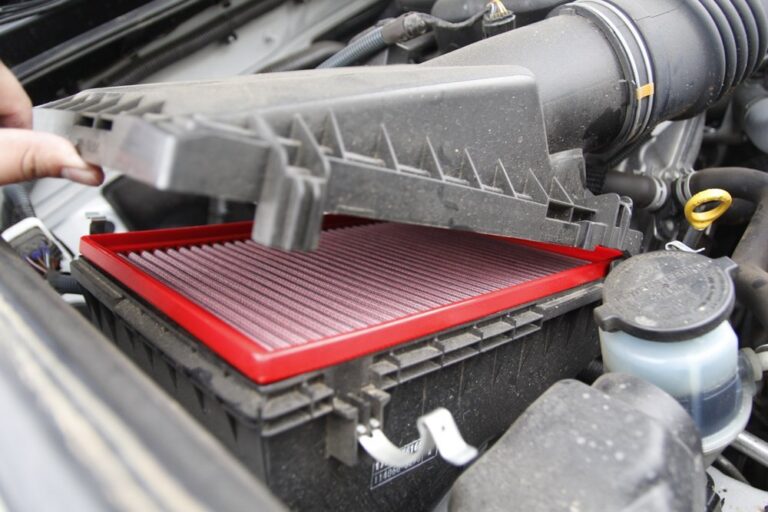
Hood locks, catalytic converter shields, steering wheel locks, OBD port locks, and alarm systems are the hardware that keeps a 4Runner on your driveway. They all block a thief from reaching the parts that make the truck run or roll away. The real difference between them is what they protect — one guards the engine bay, another saves the exhaust pipe, and a third stops the electronics. The best Toyota 4Runner security accessories are the layer that fits your parking spot.
4Runner security parts at a glance
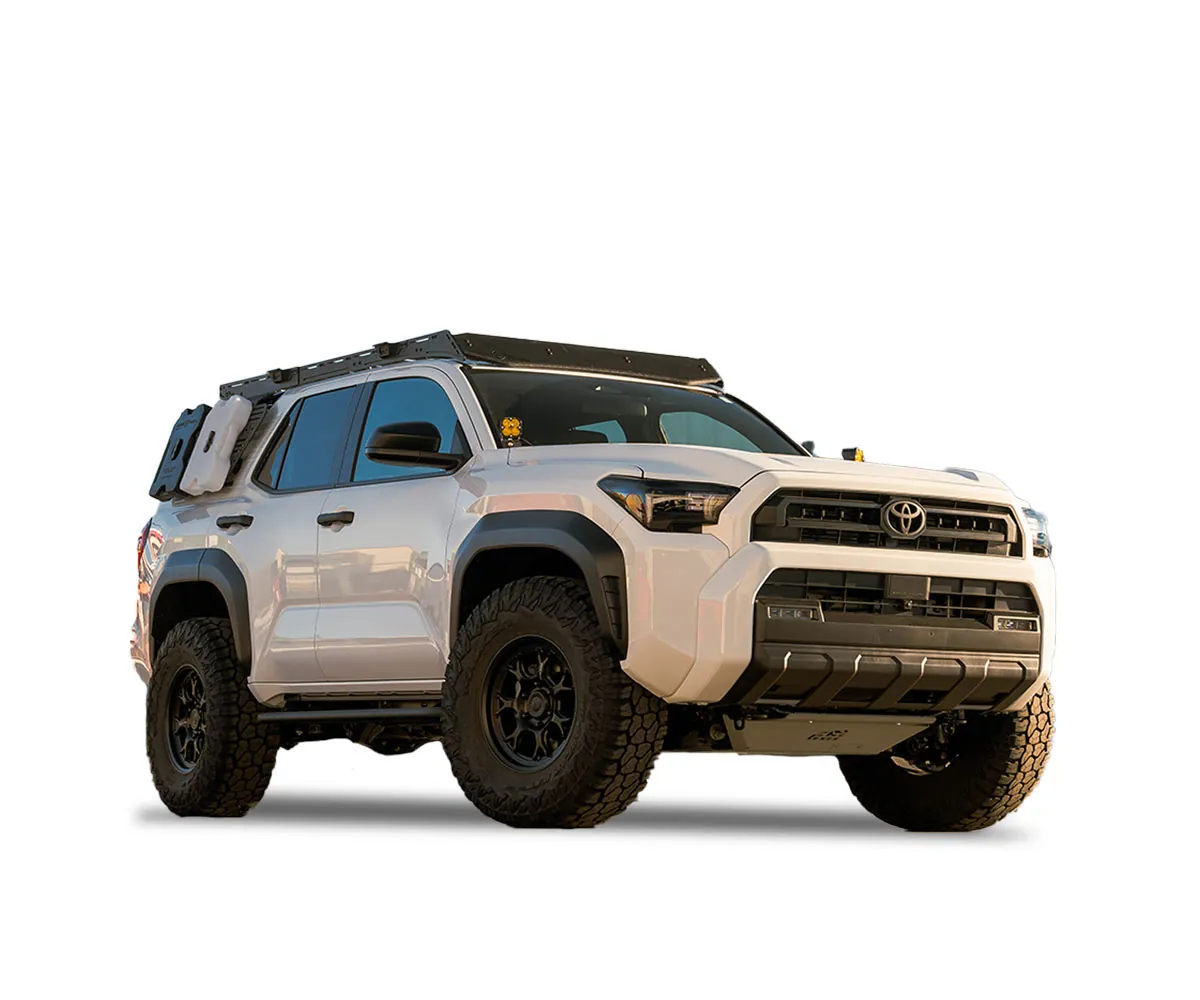
Here’s every item this page covers, matched to the job it actually does.
| Part name | Best used for | Real example |
|---|---|---|
| Hood lock | Engine bay theft | OEM-style latch guard |
| Catalytic converter shield | Exhaust pipe cutting | MillerCat bolt-on plate |
| Steering wheel lock | Visible cab deterrent | Club 1000 steering bar |
| OBD port lock | Electronic key cloning | Monocle metal port cover |
| Alarm system upgrade | Loud noise warning | Compustar two-way remote start |
| Wheel lock lug nuts | Rim and tire theft | McGard spline drive set |
Hood lock
A hood lock adds a secondary keyed latch or shields the factory release so nobody can pop the hood from outside. It suits anyone who parks their 4Runner on the street overnight. Thieves target the battery, fuse box, and engine computer because they’re fast to pull and easy to sell.
- Keeps the engine control unit inside the bay where it belongs.
- Blocks access to the fuse panel, which feeds power to the rest of the truck.
- Forces a thief to use loud tools instead of just pulling a lever.
If you park in a locked garage, skip this and spend the money elsewhere; if the truck sleeps outside, put the hood lock on first. The trade-off is simple. You’ll need your key every time you check the oil or jump the battery, which adds about fifteen seconds to routine maintenance. That small delay is the price of keeping the engine bay closed.
On a fifth-generation 4Runner, the factory hood release sits near the driver’s left knee. A keyed cylinder mounts right over that spot using the existing bolts.
Catalytic converter shield
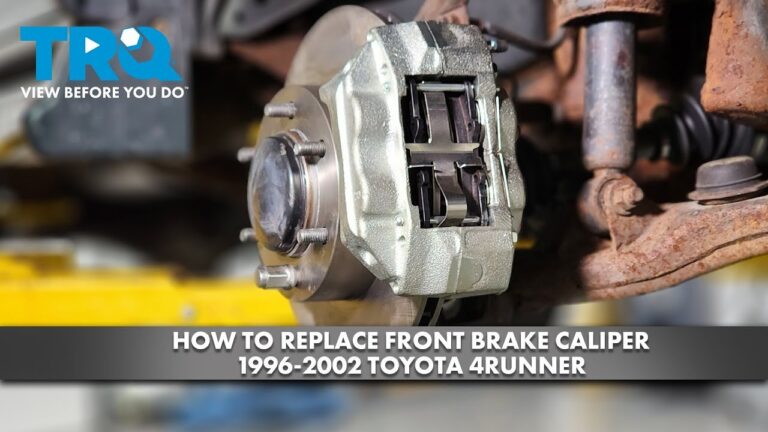
The catalytic converter shield is a thick aluminum or steel plate that bolts directly over the exhaust pipe underneath the truck. It fits 4Runner owners who leave their vehicles in public lots, since the high ground clearance makes crawling under the frame very easy for thieves.
- Turns a sixty-second saw job into a task that requires heavy power tools and time.
- Saves you from paying thousands for a replacement exhaust section.
- Keeps the truck passing emissions tests without needing new parts.
- Deters opportunists who move on to an easier target when they see metal plating.
This part does something the hood lock cannot: it protects the underside of the vehicle. The shield wraps around the converter and fastens with tamper-resistant hardware. Toyota’s parts catalog lists the exact factory components for your specific model year if you want to verify fitment before ordering an aftermarket plate.
The catch here is weight. A full steel shield adds roughly fifteen to twenty pounds under the floor. That extra mass slightly reduces fuel economy on long highway trips. If you only drive short city routes, you won’t feel it. But if you take your 4Runner on long trails where every pound matters, the added weight might slow you down.
Install it with the truck on level ground. Use a torque wrench to tighten the bolts to the spec printed on the shield’s instruction sheet.
Steering wheel lock
A steering wheel lock is a bright metal bar that hooks across the steering wheel inside the cab. It works best as a visual warning for drivers who park in busy areas where attention moves fast. The goal isn’t to be unbreakable but to look like too much trouble.
- Makes the cab look protected from the sidewalk before a thief even tries the door.
- Physically stops the wheel from turning more than a few degrees.
- Costs far less than replacing a stolen truck.
- Requires zero wiring or permanent changes to the interior.
You hook one end over the top of the wheel rim and the other over the bottom spoke. Then you turn the key to extend the bar until it presses tight against the dashboard or windshield.
The mistake people make here is buying a cheap lock with a thin core. A weak lock snaps under pressure from a pry bar, leaving the steering column completely exposed. That broken lock costs you the price of the tool plus whatever damage happens next. Spend enough to get a hardened steel bar. If your budget is tight, buy a basic club instead of skipping the lock entirely.
OBD port lock
An OBD port lock is a small metal box that covers the diagnostic plug under the dashboard. It targets the growing problem of electronic theft, where someone plugs a device into the port to program a blank key fob. This suits owners of newer 4Runners with push-button start.
- Blocks a programmer from talking to the truck’s computer.
- Prevents thieves from pairing a cloned key fob in minutes.
- Leaves the port available when you unlock the cover for service.
- Hides behind the dash so it doesn’t clutter the cabin.
Without this cover, anyone who opens the driver’s door can reach down and plug in a tablet. They don’t need to break glass or hotwire anything. The device programs the blank key into the truck’s immobilizer system so it starts the engine. An OBD lock stops that conversation before it starts.
This part needs something the others don’t: you have to find the port first. On most 4Runners, it sits below the steering column near the hood release handle. If you can’t locate it by feel, check your owner’s manual for the diagram rather than pulling panels off blindly. Once you find it, the lock slides over the plastic housing and secures with a tiny keyed barrel.
Other 4Runner security parts
- Alarm system upgrade adds louder sirens and phone alerts to the factory setup. Reach for it if you park far from your bedroom window where you can’t hear the stock horn.
- Wheel lock lug nuts replace one standard nut per wheel with a keyed pattern. They belong on trucks wearing expensive aftermarket rims that draw attention at trailheads.
- GPS tracker hides in the frame and pings your phone if the truck moves without you. Pick one if your insurance company requires a recovery device for coverage.
- Smash-proof window film holds shattered glass together so a thief can’t reach through quickly. It helps if you leave gear visible in the back seat.
- Kill switch cuts power to the fuel pump behind a hidden toggle. It suits older 4Runners without modern electronic immobilizers built into the ignition.
Picking the Right Toyota 4Runner Security Accessories

Your parking spot decides what you buy. If the truck sleeps in a locked garage, a steering wheel lock is enough to stop a casual intruder who walks through an open side door. If it sits on the street under a streetlight, start with the catalytic converter shield. The exhaust pipe is the fastest thing to steal on a lifted 4Runner.
Next, look at your truck’s age. If you drive a newer model with push-button start, the OBD port lock goes on your list immediately. Electronic cloning beats physical breaking every time on modern trucks. Older models with standard keys don’t face that threat, so skip the port lock and buy better lug nuts instead.
Finally, count your time. A hood lock takes about thirty minutes to install with basic hand tools. A catalytic shield might require an afternoon on your back under the frame. If you can’t spare the hours, buy the steering wheel bar that takes five seconds to attach.
These parts work together, not against each other. Adding a hood lock doesn’t mean you should skip the wheel locks. Layering them forces a thief to carry more tools and spend more time, which is exactly what makes them walk away. Just don’t buy two things that do the same job.
Related guides
- How to Choose the Best Winch for Toyota 4Runner
- Which Bull Bars Fit Toyota 4Runner: ARB, Westin and More
- Best Cargo Liners for Toyota 4Runner: Top Custom-Fit Picks
Frequently asked questions Of Best Toyota 4Runner Security Accessories
Can I install a catalytic converter shield myself?
Yes, if you have a floor jack, jack stands, and a socket set. The shield bolts to existing holes on the frame. It usually takes about two hours for a fifth-generation 4Runner on flat ground. If you’ve never safely supported a truck on stands, pay a local exhaust shop to bolt it on.
How long does a steering wheel lock take to put on?
It takes about ten seconds once you build the habit. You hook the ends over the wheel spokes and turn the key. Taking it off requires the same amount of time. Don’t leave the key in the ignition while the bar is attached, or you’ll lock yourself out of driving.
Is it safe to cover the OBD port permanently?
It’s safe for daily driving, but mechanics need that port to read engine codes during repairs. Always remove the lock before handing your keys to a service center. Leaving it on delays your oil change because the technician has to call you back to the bay to ask for the key.
Why do thieves target 4Runner catalytic converters?
The 4Runner sits high off the ground, giving thieves room to slide underneath without jacking up the truck. The converter also contains precious metals like rhodium and palladium. Scrap buyers pay based on current metal prices, so check today’s scrap rate before assuming your older model is safe.
What happens if my hood lock jams?
You won’t be able to open the hood from the outside or inside. Keep the spare key somewhere other than the glovebox. If you lose both keys, a locksmith has to drill the cylinder out, which damages the mounting bracket and costs more than the lock itself.
Does window film really stop a smash and grab?
It doesn’t make the glass unbreakable. It holds the shattered pieces together in a sheet. A thief has to hit the same spot several times to clear a hole big enough for an arm. That extra noise and time is usually enough to make them move to the next vehicle.
Do wheel lock lug nuts affect my alignment?
No. They weigh almost the same as standard factory nuts and thread onto the same studs. Just make sure you buy the correct thread pitch for your specific 4Runner year. Check the size stamped on your original lug nut or look in the owner’s manual before ordering replacements.
How often should I check these parts?
Look at the steering wheel lock and OBD cover every time you park. Inspect the catalytic shield bolts every six months, especially after driving on rough dirt roads. Vibration loosens hardware over time. If a bolt spins freely by hand, tighten it before the whole plate rattles off on the highway.
Your first step for 4Runner security
Buy the part that matches where you park tonight. Bolt it on or lock it in place before you go to sleep. You’ll know it’s working when your morning routine includes unlocking the device before you turn the key. If you try to install a catalytic shield and the frame bolts are rusted solid, stop turning the wrench. Take the truck to a mechanic who has an impact gun before you snap a stud off the chassis.

I am Julian Drive, an automotive enthusiast and repair expert with over 7 years of hands-on experience in vehicle maintenance. At Carora Hub, I simplify complex car issues into easy-to-follow DIY guides to help drivers stay safe and save on repair costs.