You’ve probably wondered, “How long does a Toyota Prius battery last?” If you own a Prius or are thinking about buying one, this question is crucial. Your car’s battery plays a big role in performance and costs.
Knowing its lifespan helps you plan ahead and avoid surprises. In this guide I share clear, practical info from real-world experience. You’ll get the facts on Prius battery life, common warning signs, and proven tips to keep your hybrid battery healthy. Read on to protect your investment and drive with confidence.

Credit: www.reddit.com
Prius Battery Basics
The hybrid battery is one of the most important parts of a Toyota Prius. It stores energy. That energy powers the electric motor. The battery also helps the car use less fuel. I’ll explain the types of batteries, how they’re built, and what each part does.
Types Of Prius Batteries
There are two main battery chemistries used in the Prius lineup:
- Nickel-Metal Hydride (NiMH) — Common in older Prius models (first through early fourth generation). NiMH packs are robust and proven. They are heavier and bulkier than newer chemistries. They handle many charge cycles well.
- Lithium-Ion (Li-ion) — Found in newer Prius trims and some plug-in models. Li-ion is lighter and more energy dense. It charges faster and saves weight, which improves fuel economy and handling.
Both types store electric energy for the hybrid system. They use different internal chemistry. That changes weight, cost, and how the battery ages. If you know which type your Prius has, you can choose the best care and replacement options.
Battery Components
A Prius battery is not a single block. It is a pack made of many small parts. Here are the main pieces:
- Cells and modules: Small electrochemical cells are grouped into modules. Modules link together to make the full pack.
- Battery Management System (BMS): This is the brain. It controls charging and discharging. It keeps each module balanced to protect the pack.
- Thermal management: Some Prius packs use airflow or coolant to keep temperatures stable. Heat control slows degradation.
- Safety and housing: The outer case and fuses protect the battery in a crash or fault.
Good components and a healthy BMS mean longer life. Regular checks help spot weak modules early. A clean cooling path and dry conditions also reduce wear.
Battery Lifespan Factors
The lifespan of a Toyota Prius battery depends on a few clear factors. These affect how long the battery holds charge and how well it performs. I’ll walk you through the most important ones and what they mean for daily driving.
Some factors you can control. Others you cannot. If you understand each, you can make small changes to extend battery life and avoid surprise repair bills.
Driving Habits Impact
How you drive has a big effect on battery life.
- Gentle acceleration and braking reduce stress on the battery.
- Frequent short trips with lots of stop-and-go can both help and hurt. Regenerative braking helps recharge the pack on short runs. But many very short starts keep the engine cold and can cause more cycling on the battery.
- Long steady highway trips usually rely on the gas engine more. That means the hybrid battery cycles less, but long high-speed runs can keep the battery at different states of charge and temperature.
In my experience, a mix of city and highway miles with smooth driving keeps the battery in good balance. Avoiding hard launches and constant deep discharges leads to better longevity.
Climate And Temperature Effects
Temperature matters a lot. Batteries dislike extremes.
- Heat: High temperatures speed up chemical wear. This shortens life.
- Cold: Low temperatures reduce range and immediate power output. Cold itself doesn’t always permanently damage the pack, but it stresses components over time.
Where I live, parked cars bake in summer. I learned to park in shade or a garage. That small change helped battery health. If you live in a hot climate, add that factor when planning battery life and warranty coverage.
Maintenance And Care
Regular care extends battery life more than most people expect.
- Keep the cooling path clean. Leaves, debris, or blocked vents raise pack temperature.
- Follow Toyota’s service schedule. Dealers often run diagnostics and can rebalance modules or spot failing cells early.
- Avoid long-term storage with the pack at full or empty state-of-charge. If you store the car, keep it near a partial charge and check it periodically.
I run a diagnostic check when I service my Prius. It helps identify weak modules before they cause big problems. Small preventive acts save money and downtime later.
Typical Prius Battery Life
One of the top questions I get is: how long will a Prius hybrid battery last in real life? The short answer: most last many years. Below I give ranges, what to expect by age, and mileage signals to watch.
Average Mileage Range
On average, Prius batteries last between 100,000 and 150,000 miles. With careful use and good climate control, some reach 200,000 miles or more. Several owners report 10–15 years of service before major battery work is needed.
Factors that push packs toward the longer end include:
- Moderate climate (no long heat waves)
- Balanced city/highway driving
- Regular dealer checks and clean cooling systems
If you drive mostly stop-and-go in a cold or hot climate, expect the lower end of the range unless you take extra care.
Age Vs Performance
Battery capacity drops slowly over time. In many Priuses, performance starts to show minor decline after 8 to 10 years. You may notice:
- Less electric-only driving
- More frequent use of the gas engine
- Slight drop in fuel economy
These changes are gradual. A worn battery rarely dies instantly. Often you get warnings first. I replace mine when fuel economy loss and drivability become noticeable. That restores the car’s original feel and efficiency.

Credit: www.camelbacktoyota.com
Signs Of Battery Wear
Spotting battery wear early prevents bigger problems. I always watch these signs when I drive or service a Prius. If you see one or more of these, get a diagnostic test.
Common warning signs include:
Warning Lights And Indicators
The dash often tells you first. Look for:
- The red battery icon (hybrid system warning)
- The check engine light—it can come on when battery issues affect engine systems
Don’t ignore these lights. A professional scan gives codes that point to weak modules, BMS faults, or cooling issues.
Performance Changes
Other signs are felt while driving:
- Reduced fuel efficiency over time
- Sluggish or delayed acceleration
- Car uses gasoline more often instead of electric assist
- Rough idle or unusual hybrid-system behavior
These symptoms suggest the pack is losing usable capacity. A mechanic can test individual modules for voltage and imbalance.
Battery Replacement Options
When the hybrid battery needs replacement, you have choices. I’ll compare OEM, aftermarket, refurbished, and remanufactured options. Each has pros and cons for price and reliability.
OEM Vs Aftermarket Batteries
OEM (Original Equipment Manufacturer)
- Made by Toyota or Toyota-approved suppliers.
- Matches the original pack exactly.
- Often comes with a solid warranty and known performance.
- More expensive up front.
Aftermarket
- Made by third-party companies.
- Can be cheaper and sometimes lighter.
- Quality varies—some units are excellent, others less so.
- Check reviews and warranty terms carefully.
Refurbished or Remanufactured
- Used packs rebuilt with new or balanced modules.
- Cost-effective option for budget-conscious owners.
- Quality and warranty depend on the rebuilder.
In my experience, OEM gives peace of mind. But a well-done remanufactured pack from a reputable shop can save a lot and still last years. Always ask for module-level testing data and warranty details.
Cost Considerations
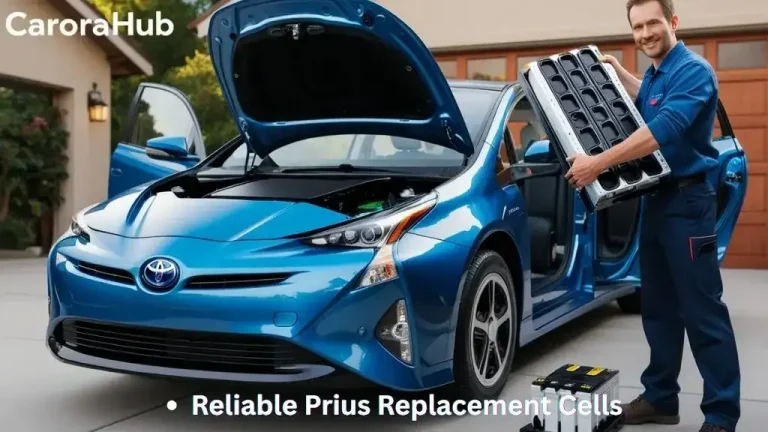
Replacement cost varies by model year, battery type, and location. Expect a range typically between $2,000 and $4,000. New OEM packs are on the higher end. Refurbished packs can be much cheaper.
Things to factor in:
- Warranty length and coverage
- Installation labor costs
- Diagnostic fees and testing
- Whether the BMS or cooling system needs repair
I recommend getting two or three quotes. Ask each shop to show module test results and the warranty in writing. That transparency reduces risk.
Extending Battery Longevity
The good news: you can extend a Prius battery’s life with predictable actions. I follow a short list of habits that make a real difference. These are practical, low-cost steps you can use immediately.
Best Driving Practices
Drive smooth and steady. Small changes help a lot:
- Avoid hard acceleration and sudden stops.
- Use Eco mode when possible to cut energy demand.
- Combine errands to reduce very short trips.
- Park in shade or a garage in hot weather.
- In cold months, allow the engine to warm briefly before heavy loads.
These habits reduce deep cycling and heat stress. Over years, they slow capacity loss.
Regular Maintenance Tips
Do these checks regularly:
- Inspect and clean the battery cooling vents.
- Run hybrid system diagnostics at service intervals.
- Keep the 12V battery in good health—its failure can affect the hybrid system.
- Replace cabin and engine air filters as recommended. A cleaner engine runs more efficiently and reduces stress on the hybrid system. (See how to replace the cabin air filter.)
- Maintain proper tire pressure. Low pressure increases drag and load on the hybrid system.
In short: good general car care helps the hybrid battery too. Small items fixed early prevent bigger battery stress later.
Environmental Impact
The Prius battery helps reduce tailpipe emissions. But batteries have environmental costs too. I’ll explain recycling, reuse, and what manufacturers are doing to reduce impact.
Battery Recycling Process
Used Prius batteries are not simply thrown away. They go through a recycling process:
- Packs are disassembled carefully.
- Valuable materials like lithium, nickel, cobalt, and rare metals are recovered.
- These materials are reused in new batteries or other industries.
Recycling cuts demand for mining and lowers environmental harm. Many shops and dealers offer responsible disposal or recycling options when you replace a battery.
Sustainability Efforts
Toyota and other automakers invest in longer-lasting chemistries and reuse programs. Actions include:
- Designing batteries for easier disassembly
- Creating reuse markets—some packs serve as energy storage for buildings
- Investing in safer, less resource-intensive chemistries
These moves make hybrids like the Prius more eco-friendly over their life cycle. As an owner, recycling your old pack responsibly helps close the loop.
Frequently Asked Questions
How Long Does A Toyota Prius Battery Typically Last?
A Toyota Prius battery usually lasts between 8 to 10 years. This depends on driving habits, climate, and maintenance. High mileage and extreme temperatures can reduce battery life. Proper care and regular check-ups help extend battery performance.
What Factors Affect Toyota Prius Battery Lifespan?
Battery life depends on driving style, climate, and maintenance. Frequent short trips and extreme temperatures can shorten lifespan. Keeping the battery cool and avoiding deep discharges improves longevity. Regular servicing also ensures optimal battery health.
How Can I Tell If My Prius Battery Is Failing?
Signs include reduced fuel efficiency, warning lights, and sluggish acceleration. The car may struggle to start or switch to gas engine often. A professional diagnostic test confirms battery condition. Early detection helps prevent costly repairs.
Is Replacing A Toyota Prius Battery Expensive?
Battery replacement can cost between $2,000 and $4,000, depending on model and location. Genuine batteries are pricier but more reliable. Some owners opt for refurbished batteries to save costs. Warranty coverage may reduce replacement expenses.
Bottom Line
A Toyota Prius battery usually lasts 8 to 10 years. With good care, it often lasts longer. Regular check-ups and simple driving habits help extend life. Replacement can be costly, but it’s only needed infrequently. Knowing the signs and options helps you plan and save money.
The Prius remains a reliable hybrid choice. Battery life is one part of the ownership story. Follow the tips here, watch for warning signs, and you’ll keep your Prius running well for many miles. If you want, I can share the exact maintenance checklist I use for my Prius. Just ask.

Hello, I’m Norman. I work as a car researcher. I am the voice behind CaroraHub. I have over 15 years of experience. I give simple and useful car advice. I help with car care, cleaning, and small repairs. My goal is to help you keep your car healthy. I want car care to be easy and cheap for you. You can trust my tips to keep your car working well for a long time.