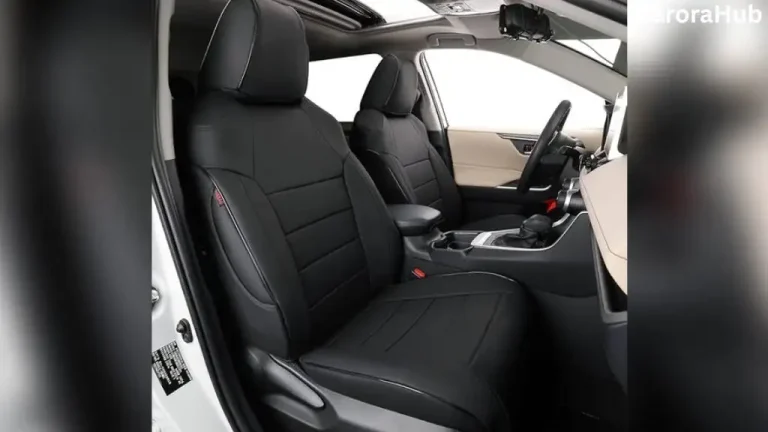
You can fix toyota prius interior rattling noises by applying thin adhesive felt tape to the contact points between plastic panels and the dashboard frame. Most of these sounds occur because the plastic clips holding the trim pieces together lose their tension over time, allowing the parts to vibrate against each other when the car hits a bump. If you notice a specific sound coming from a panel, press on it while driving to see if the noise stops; if it does, you have found the exact spot that needs padding.
Why Toyota Prius interior parts rattle

The primary cause of unwanted cabin noise in this vehicle is the natural expansion and contraction of plastic components. As the car ages, the molded plastic tabs that secure the dashboard and door panels can shrink slightly or lose their original factory grip. This creates a tiny gap between the panel and the metal chassis. When you drive over uneven pavement, the plastic pieces rub against each other or tap against the mounting points, creating the clicking or buzzing sounds you hear.
Another common factor is the interior temperature. Plastic becomes more brittle in cold weather, which makes the clips less flexible and more prone to vibrating against their housings. Conversely, high heat can cause the material to warp, potentially changing the fit of a trim piece that was previously silent. According to the Toyota official maintenance guidance, regular inspection of body and interior components is part of maintaining the vehicle’s integrity over long-term use.
This isn’t for people who are uncomfortable removing interior trim panels, as improper force can snap the plastic tabs permanently. If you’re uncertain about the specific panel location, it’s better to consult a professional technician at a dealership to avoid accidental damage to the electrical wiring often hidden behind these surfaces.
Add felt tape to loose trim pieces
To perform this fix, you need a roll of automotive-grade adhesive felt tape. This material is thin, soft, and designed to withstand the temperature fluctuations inside a car cabin. First, use a plastic trim removal tool to gently pry the edge of the rattling panel away from the dashboard. Don’t use metal screwdrivers, as they will scratch the interior finish and leave permanent marks.
Once the panel is loose, locate the plastic clips or the areas where the plastic touches the metal frame. These spots often show light wear or shiny marks where the two surfaces have been rubbing together. Cut a small piece of felt tape, peel off the backing, and stick it directly onto the contact point of the panel. Press the trim piece back into place firmly until you hear the clips click. If the panel feels tight and doesn’t move when you push on it, the rattle should be gone. This method is highly effective for dashboard trim, center console pieces, and door handle surrounds. If the rattle persists after you have padded all visible contact points, the issue may be a loose screw behind the panel, which requires a screwdriver to tighten. Always ensure the ignition is off before working near any panels that house airbags or sensitive electronic controls.
Tighten loose screws in the console
Sometimes, a rattle isn’t caused by plastic-on-plastic contact but by a screw that has vibrated loose from its mounting hole. This is most common in the center console area or under the steering column cover, where vibrations from the engine and road are felt most strongly. Use a Phillips-head screwdriver to check the visible screws around the radio bezel and the lower dashboard trim.
If you find a loose screw, tighten it just until it’s snug. Don’t overtighten, as the plastic threads can easily strip, which makes the panel impossible to secure properly. If a screw hole is stripped, the screw will continue to spin without grabbing. In this case, you’ll need to replace the screw with one that has a slightly larger diameter or use a small amount of plastic-safe thread locker to hold it in place. This fix is simple but requires a steady hand. If you notice that a specific component, like the glove box door, is sagging or rattling because the hinge pin is worn, you may need to replace the hinge entirely rather than just tightening a screw. Check the owner’s manual for your specific year and model to see if there are unique hidden fasteners, as some panels require you to remove the shift knob or cup holders first to access the screws beneath them.
Use sound-deadening foam for deeper rattles
For persistent noises that seem to come from deep inside the dashboard, simple felt tape might not be enough. In these cases, you can use high-density foam strips to fill the voids between internal components. This is worth the extra effort when a rattle is caused by a wiring harness tapping against the back of the dashboard frame.
To do this, you must carefully remove the larger dashboard sections to expose the interior cavity. Once the area is open, look for any loose wires or modules that are hanging freely. Wrap these items in foam tape or use zip ties to secure them to the main wiring harness so they can’t move. This is a more involved process and carries a risk of damaging delicate electronic connections if you pull too hard on the wires. If you aren’t confident in your ability to manage automotive wiring, you should stop and seek assistance from a professional who specializes in interior trim repair. The effort is only justified if the noise is loud enough to be a significant distraction during your daily commute. Always verify that you aren’t blocking any ventilation ducts or interfering with the movement of the cabin air filter door, as these parts need space to function correctly.
Avoid common mistakes with interior trim
- Don’t use household duct tape or masking tape to secure panels, as the adhesive will melt in the heat and leave a sticky, permanent residue.
- Avoid prying panels with metal tools because the force needed will gouge the soft plastic and ruin the look of your dashboard forever.
- Don’t force a clip back into place if it’s misaligned, as this usually means the plastic tab is bent and will break if you push harder.
- Never spray lubricants or silicone into the gaps to stop a rattle, as this can seep into electronic switches and cause them to fail or become slippery.
Prevent new rattling noises from starting
To keep the interior quiet, you must monitor how you interact with the trim and how the car handles vibrations over time. The key variable here is the age and mileage of your vehicle, as older cars with higher mileage are naturally more prone to loose fittings. You can check the condition of your own panels by gently tapping them after a long drive to see if any have developed new play.
| If you’re doing this | Do this instead | Why |
|---|---|---|
| Pushing on panels to stop noise | Apply felt tape at contact points | Felt absorbs the vibration energy |
| Using metal tools to pry trim | Use plastic trim removal tools | Plastic tools prevent surface damage |
| Over-tightening loose screws | Use plastic-safe thread locker | Thread locker prevents further loosening |
| Ignoring a minor ticking sound | Check for loose wiring harnesses | Loose wires wear through their coating |
Frequently asked questions Of Fix Toyota Prius Interior Rattling Noises
Can I fix dashboard rattles without taking the car apart?
You can often stop rattles by sliding thin felt tape into the gaps between panels without removing them. Use a plastic card to push the tape into the seam where the plastic meets the dashboard. Note that deep structural noises may still require full trim removal.
How long does it take to fix a single interior rattle?
It typically takes 15 to 30 minutes to fix a single rattle if you have the right tools ready. This process involves identifying the location, applying felt tape, and reassembling the piece. Allow an hour or more if you must remove large dashboard sections.
Is it safe to drive with the interior trim removed?
It’s safe to drive your vehicle with trim removed, provided you don’t expose any live electrical wires. Ensure no wires hang near your feet or the steering column while operating the car. Avoid driving without covers for long periods to protect internal components from dust.
What happens if I break a plastic trim clip?
If you break a plastic clip, the panel will likely fit loosely and continue to rattle or fall off. Most Toyota trim clips are replaceable, and you can purchase new ones from a dealership. Take the broken piece with you to ensure you get the exact match.
Why does the noise get worse in the winter?
Rattles often worsen in winter because plastic materials become harder and more brittle as temperatures drop. This loss of flexibility prevents panels from absorbing vibrations, causing them to tap against each other. The noise may disappear once the cabin heater warms the plastic and makes it pliable.
How do I know if a rattle is a mechanical issue?
You can identify a mechanical rattle by listening for changes related to engine speed rather than road conditions. If the noise occurs only during acceleration or at specific RPMs, it likely originates from the engine or exhaust. In such cases, you should have the car inspected by a mechanic.
Conclusion
Once you’ve quieted those annoying rattles, take your car for a long drive on a bumpy road to ensure everything stays snug. If you still hear a faint buzz, don’t worry—it’s just a sign that another clip needs a bit more attention. You’ll really enjoy the peace and quiet.

I am Julian Drive, an automotive enthusiast and repair expert with over 7 years of hands-on experience in vehicle maintenance. At Carora Hub, I simplify complex car issues into easy-to-follow DIY guides to help drivers stay safe and save on repair costs.