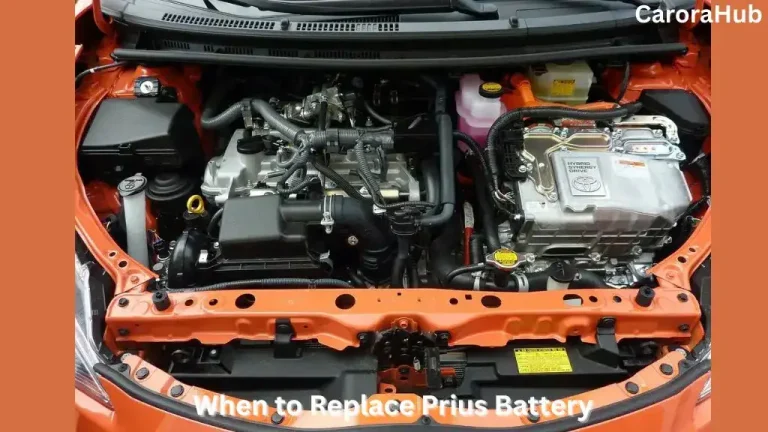
You can extend Toyota Prius brake pad lifespan to between 70,000 and 100,000 miles by using regenerative braking through smooth, early pedal pressure under normal suburban driving. If you leave the pads uninspected for twice that interval, stuck slide pins or metal-on-metal wear will destroy the brake rotors and cause uneven pad taper across the wheel assembly.
How driving habits affect your Prius brake lifespan
| How you use it | How often | What tells you it’s due |
|---|---|---|
| Flat highway commuting daily | Inspect every 30,000 miles | Pad lining measures below three millimeters |
| Mixed suburban driving | Inspect every 20,000 miles | Friction material matches backing plate thickness |
| Dense stop-and-go city traffic | Inspect every 15,000 miles | High-pitched squeal sounds during mechanical stops |
| Mountain or heavy hill driving | Inspect every 10,000 miles | Visible heat spots appear on outer rotor |
| Salted roads or humid winter areas | Service slide pins yearly | Inner pad wears twice as fast as outer |
What happens if you skip it
Friction pads shed material slowly on a Prius because the electric motor handles early deceleration. When you ignore basic inspections, moisture and road salt attack the caliper slide pins first. The pins seize inside their rubber boots, which keeps the inner friction block pinned tight against the metal rotor even while you drive down flat roads.
After several months of driving with a stuck caliper slide pin, friction heat builds up constantly on that single wheel. You’ll lose battery charging efficiency because the gas engine works harder to fight continuous mechanical drag. The trade-off for ignoring cheap slide pin lubrication is buying expensive new rotors alongside your replacement pads.
Eventually, the friction material wears completely down to the steel backing plate. Steel grinds directly into the spinning iron disc, carving deep grooves and ruining the rotor surface. If you drive a Prius carrying heavy cargo or extra passengers, this worn friction material heats up rapidly and causes brake fade, which prevents the car from stopping quickly in an emergency. This service schedule isn’t for dedicated track drivers or modified performance vehicles, which require heavy-duty racing compounds rather than standard hybrid brake hardware.
The signs it’s overdue
- The friction lining drops below three millimeters, which indicates the friction block needs replacement before it damages the rotor.
- A sharp scraping sound occurs under eight miles per hour, which means the mechanical wear indicator touches the rotor disc.
- The car pulls slightly to one side during hard stops, which points to a frozen caliper slide pin on the opposite wheel.
- Brake pedal travel feels soft or sinks toward the floor, which means air bubbles entered the hydraulic lines or fluid boiled from heat.
- Thick rust rings form on the outer half of the rotor face, showing the friction pad no longer presses flat across the braking surface.
- The regenerative charge gauge stops climbing during gentle braking, signaling a hydraulic actuator problem rather than normal electric motor recovery.
What it takes each time
A standard visual brake pad inspection takes about thirty minutes using a floor jack, jack stands, and a simple millimeter thickness gauge. The cost is small, requiring only your time and no new parts if the lining remains thick.
Lubricating the caliper slide pins requires about one hour across both axles, clean shop towels, and one packet of high-temperature silicone brake grease. If the pad thickness measures below three millimeters, you’ll need one replacement pad set and about two hours to complete the job.
Replacing the hardware on your hybrid requires disconnecting the auxiliary 12-volt battery in the trunk before unbolting the calipers.
How to go longer between times
- Press the pedal gently and early to keep deceleration inside the electric charge zone, avoiding friction wear completely above ten miles per hour.
- Shift the gear selector to “B” mode on steep downhill descents, which uses engine compression to slow the car instead of overheating the friction pads.
- Wash the wheel wells and brake assemblies thoroughly every spring, removing dried road salt before it rusts the metal caliper slide pins in place.
- Pull the caliper pins to clean and coat them with fresh silicone paste regularly, preventing the uneven pad taper caused by sticky hardware.
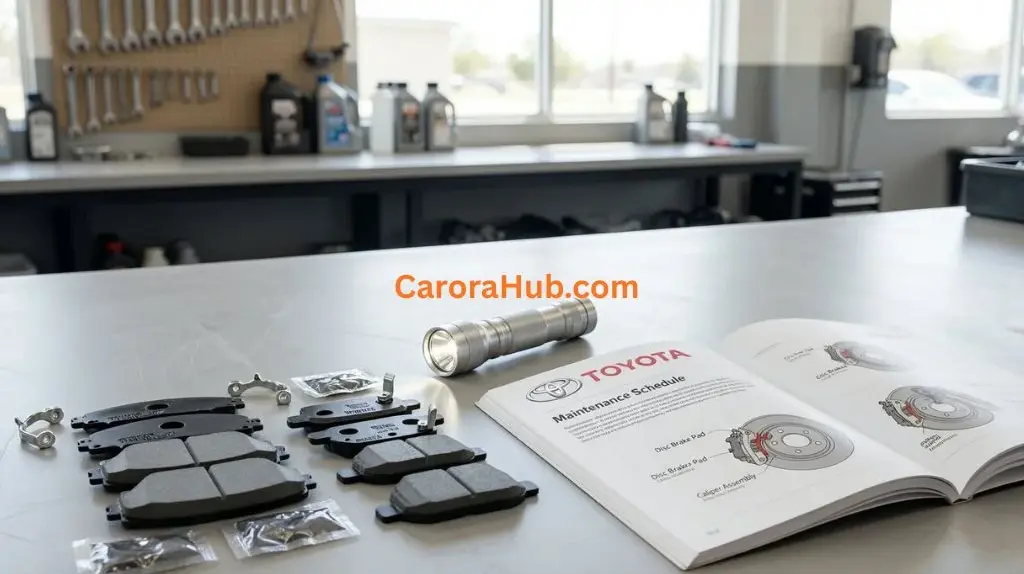
FAQs About Extend Toyota Prius Brake Pad Lifespan
Can Prius brake pads last 100,000 miles?
Yes, Prius brake pads often last 100,000 miles because the vehicle uses the electric motor to slow down under normal conditions. This regenerative system absorbs most stopping energy above ten miles per hour, protecting the physical friction material from heat and abrasion during daily commuting.
Why do Prius brakes squeak in the morning?
Surface rust causes morning brake squeaks when overnight humidity settles onto the iron rotors. The sound disappears after two or three gentle stops, because the friction pads wipe that thin layer of orange oxidation off the smooth metal surface as you leave your street.
How long does a Prius brake inspection take?
About thirty minutes is all you need to inspect all four brake assemblies. You take the wheels off, check pad thickness with a metric gauge, examine the rubber dust boots, and check the rotors for scoring.
Is it safe to drive with worn brake pads?
No, driving on worn pads risks total hydraulic failure and increases your required stopping distance dangerously. If the friction material wears off entirely, the metal backing plate contacts the rotor, destroying the disc and reducing your emergency stopping power immediately.
What happens if I forget to disconnect the 12V battery before brake work?
The automated brake accumulator can cycle without warning while your hands are on the wheel assembly. This mistake forces the caliper piston outward with extreme pressure, damaging the caliper boot, spilling brake fluid, and causing severe personal hand injuries that cost thousands in medical bills.
Does cold weather affect Prius brake wear?
Yes, cold winter weather accelerates wear by coating the metal caliper slide pins in salt and water slush. This moisture causes corrosion that jams the moving parts, forcing the inner pad to rub constantly against the rotor disc even when your foot leaves the pedal.
What to do next
Measure your friction pad thickness through the wheel spokes with an inexpensive metric gauge to confirm how much lining remains. You can expect smooth, silent stopping power and high hybrid battery charging efficiency once the slide pins move freely and pads show over four millimeters of material. If you hear a loud metal grinding noise or feel the car pull hard to the side, stop driving immediately and hire a licensed hybrid mechanic.

I am Julian Drive, an automotive enthusiast and repair expert with over 7 years of hands-on experience in vehicle maintenance. At Carora Hub, I simplify complex car issues into easy-to-follow DIY guides to help drivers stay safe and save on repair costs.