If someone in your family has been sick, your car can hide germs that make you or others feel worse. The cabin is a small space where viruses and bacteria linger on the steering wheel, seats, door handles, and cup holders.
You can’t see these microbes, but they are there. They can spread each time someone touches a surface. I clean my car after illness to reduce that risk. In this guide I share simple, proven steps to sanitize a car interior after illness. You’ll learn what products to use, what spots to focus on, and how to protect surfaces like leather or fabric. Follow these steps and you’ll feel safer every time you drive.
Keep reading for easy tips that help you control your car’s cleanliness and protect your health.
Preparing Your Cleaning Supplies
Preparing supplies makes the job faster and safer. I always gather everything before I start. That keeps me from moving dirty items around and recontaminating cleaned areas. Below are the must-haves and why I use them.
Essential Cleaning Products
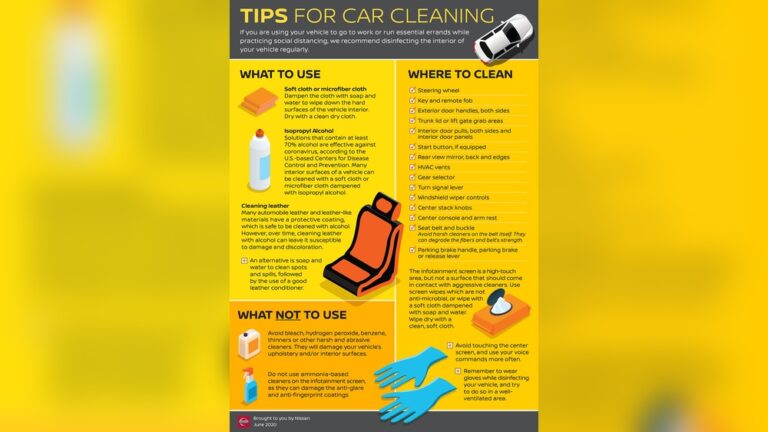
Use disinfectants made for car interiors or those safe for plastics, vinyl, leather, and fabric. Look for EPA-registered products or alcohol-based wipes with at least 70% alcohol. These kill many common viruses and bacteria fast. Avoid harsh bleach solutions on interior trim. Mild soap and water work well for light soil before you disinfect. Keep fresh microfiber cloths to avoid moving dirt around.
Protective Gear To Use
I always wear disposable gloves when cleaning after illness. Gloves protect my hands and stop me from spreading germs. A simple face mask helps when I use sprays or when someone inside was coughing. If you use any strong sprays, add safety glasses to avoid splashes. Change gloves if they get dirty. Wash your hands thoroughly after you finish.
Tools For Interior Cleaning
Good tools save time and give a deeper clean. I keep these on hand:
- Handheld vacuum with crevice tool (a HEPA filter helps for allergens).
- Microfiber cloths in several colors (one per zone to prevent cross-contamination).
- Soft brushes and a small detailing brush for vents and seams.
- Cotton swabs for tight spots around buttons and buckles.
- Spray bottles for diluted cleaners and a bucket for soap and water.
When To Sanitize Your Car (New)
Sanitize your car as soon as possible after someone who is sick has ridden in it. I clean immediately after any drive where tissues, vomit, or heavy coughing happened. For mild exposure, clean high-touch areas right away and do a full clean the same day if you can. If someone is contagious, sanitize after every trip until they recover.
Removing Trash And Debris
Start by clearing out trash and loose debris. This removes places where germs hide and makes disinfecting more effective. I always open the doors and work from the top down to keep things orderly.
Clearing Loose Items
Pick up tissues, wrappers, and disposable items first. Check under seats, in cup holders, and in door pockets. Remove toys, books, or clothing that could hold germs. Put soiled items in a sealed bag before you bring them into your home. This one step cuts down on cross-contamination.
Vacuuming Seats And Floors
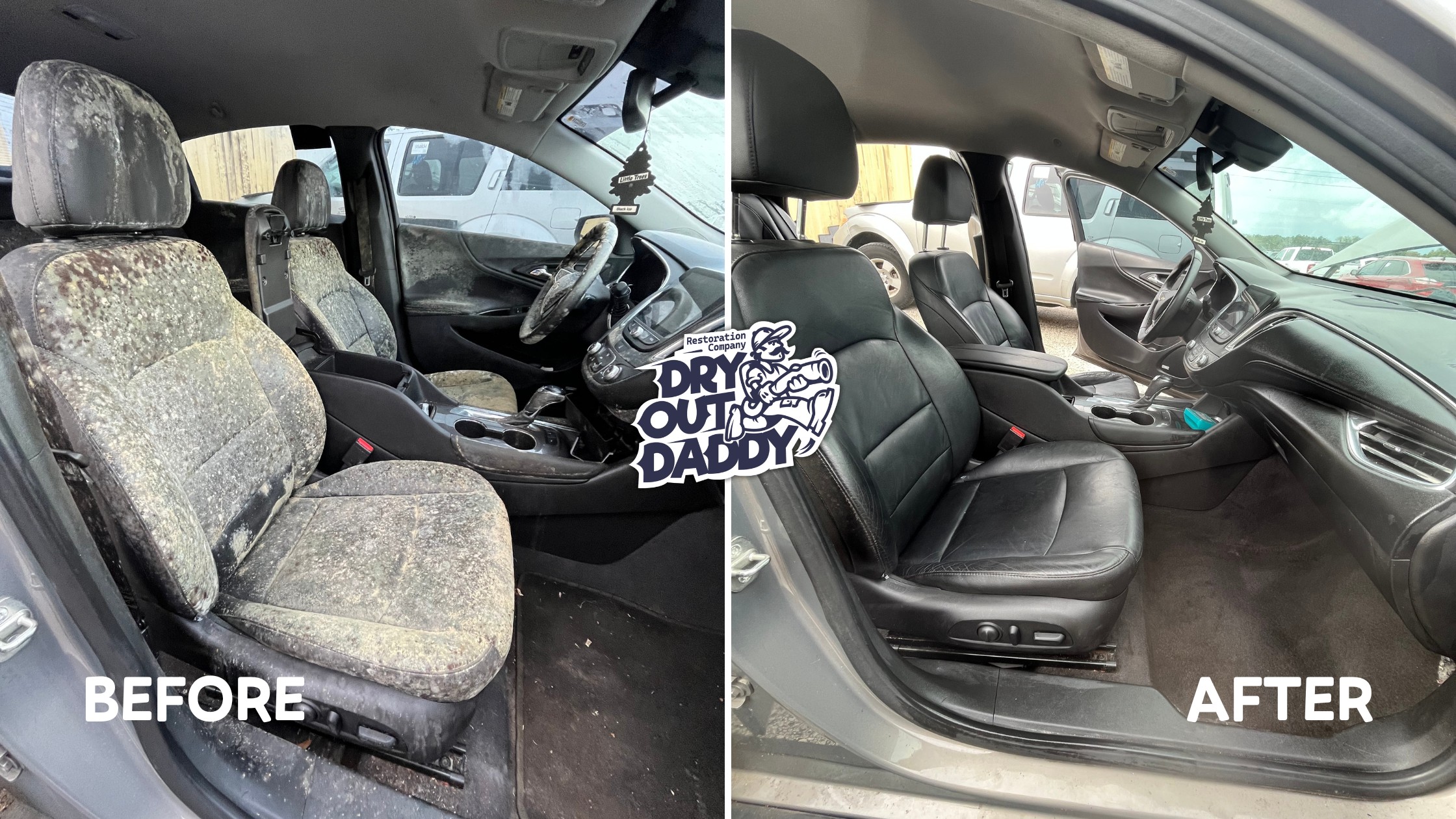
Vacuum fabric seats, carpets, and floor mats thoroughly. Use crevice tools to reach seams and under seats. Vacuuming removes dust, crumbs, and organic debris. That helps disinfectants work better. If you have removable mats, take them out and shake them before vacuuming the car’s interior.
Cleaning Hard Surfaces
Hard surfaces are high-touch and easy to disinfect. Clean them gently to avoid damage. Short, careful passes remove grime and germs.
Dashboard And Console
Wipe the dash and center console with a disinfectant wipe or spray applied to a microfiber cloth. Don’t soak electronics. Use gentle pressure and clean around vents, seams, and cup holders. Dry with a fresh cloth to avoid streaks or residue.
Door Handles And Armrests
Door handles and armrests see a lot of contact. Use a spray or wipe to sanitize edges, undersides, and the latch area. Wipe until the surface looks clean. Then dry to prevent slippery spots.
Steering Wheel And Gear Shift
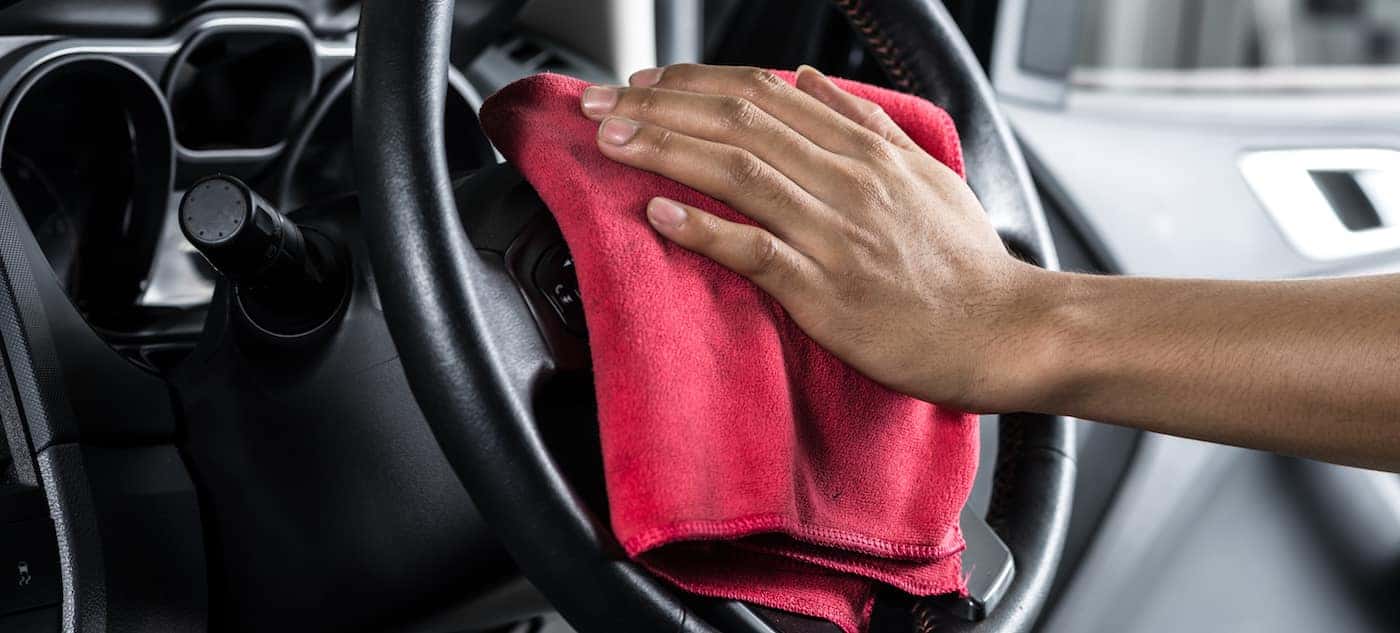
These are top high-touch points. I use alcohol-based wipes or an approved disinfectant on a cloth. Rotate the wheel as you clean so you reach the whole rim. Let the surfaces air dry to ensure the disinfectant has time to work.
Credit: dryoutdaddyrestoration.com
Sanitizing Soft Surfaces
Soft surfaces trap moisture and germs. They need special care. Use fabric-safe products and avoid over-wetting. I follow a simple sequence: remove, vacuum, treat, then dry fully.
Seat Covers And Upholstery
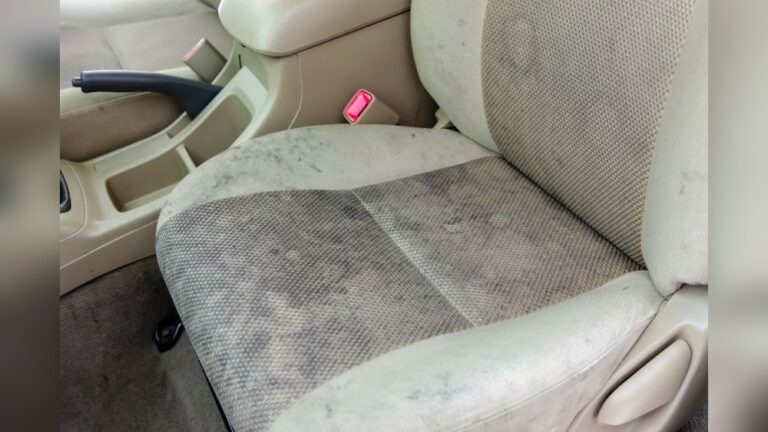
Remove washable seat covers and wash per the label. For upholstery, vacuum first. Use a fabric cleaner or disinfectant labeled safe for upholstery. Test a small hidden spot for colorfastness. Gently scrub with a soft brush and blot—don’t soak. Let seats dry completely before using the car again. Sunlight helps speed drying and reduces microbes.
Carpets And Floor Mats
Take out floor mats and shake them outside. Vacuum both mats and carpet. Use a carpet cleaner designed for automotive use on heavy spots. Spray lightly and scrub with a brush. Rinse or blot excess moisture. Dry mats in the sun if possible. Proper drying prevents mold and odors.
Using Fabric-safe Disinfectants
Choose disinfectants that say “safe for fabric” or “for automotive interiors.” Follow contact time instructions on the label. This is the time the product needs to kill germs. Always test a small area first. Avoid soaking fabrics; water trapped under padding can cause mold. Repeat treatment only if the label allows it.
Disinfecting High-touch Areas
High-touch zones need focused attention. These areas are the most likely to pass germs between people. Clean them often during illness and clean them after each trip if someone remains contagious.
Seat Belts And Buckles
Wipe seat belts from top to bottom with a disinfectant wipe or cloth sprayed lightly. Clean both sides. Pay extra attention to the buckle and the tongue where dirt collects. Let belts air dry before retracting them into the retractor.
Buttons And Controls
Use a cloth dampened with disinfectant to gently wipe buttons, touchscreen bezels, and HVAC controls. Don’t spray directly on electronics. Press buttons as you clean to reach all sides. Dry with a microfiber cloth to remove moisture.
Air Vents And Cup Holders
Vents can carry dust and microbes. Use a small brush or compressed air to loosen dust. Wipe vent faces with a disinfectant cloth. Empty cup holders, remove debris, and clean with disinfectant. Let them dry fully before using.
Credit: www.bettenhausencdjr.com
Deodorizing The Interior
Cleaning removes germs and grime. Deodorizing removes lingering smells. I use gentle, natural methods first. Then I add a mild air freshener if needed. This keeps the cabin pleasant and avoids irritating strong fragrances.
Natural Odor Removers
Baking soda is my go-to deodorizer. I sprinkle it on seats and carpets, wait a few hours, then vacuum. It soaks up odors well. White vinegar mixed with water neutralizes smells on fabric. Spray lightly and let it air dry. Activated charcoal bags also work well. Leave one in the car to absorb odors over time.
Using Air Fresheners Safely
Choose mild-scented fresheners. Strong fragrances can irritate sensitive noses. Avoid sprays with a lot of alcohol or harsh solvents. Use small amounts—too much scent can mask odors and create a worse mix. After applying any freshener, ventilate the car. Open windows to let fresh air clear out lingering chemicals.
Preventing Future Contamination
Once the car is clean, I use simple habits to keep it that way. These small steps prevent germs from building up again. They are easy to follow and make a big difference.
Regular Cleaning Schedule
Set a weekly time to wipe down high-touch areas. Clean the steering wheel, door handles, gear shift, and seat belts. Vacuum seats and mats weekly. If someone is ill, increase cleaning to after every trip. A routine stops germs from accumulating.
Using Protective Covers
Seat and steering wheel covers add a removable barrier. They are easy to wash or replace. Use washable seat covers when you expect more illness at home. Replace covers if they tear or get stained. Covers extend the life of your original surfaces.
Promoting Hand Hygiene
Keep hand sanitizer in the car for quick use. I ask passengers to clean hands before touching common controls. Good hand hygiene is one of the best ways to stop germs from spreading inside a shared vehicle.
Extra Tips From My Experience (New)
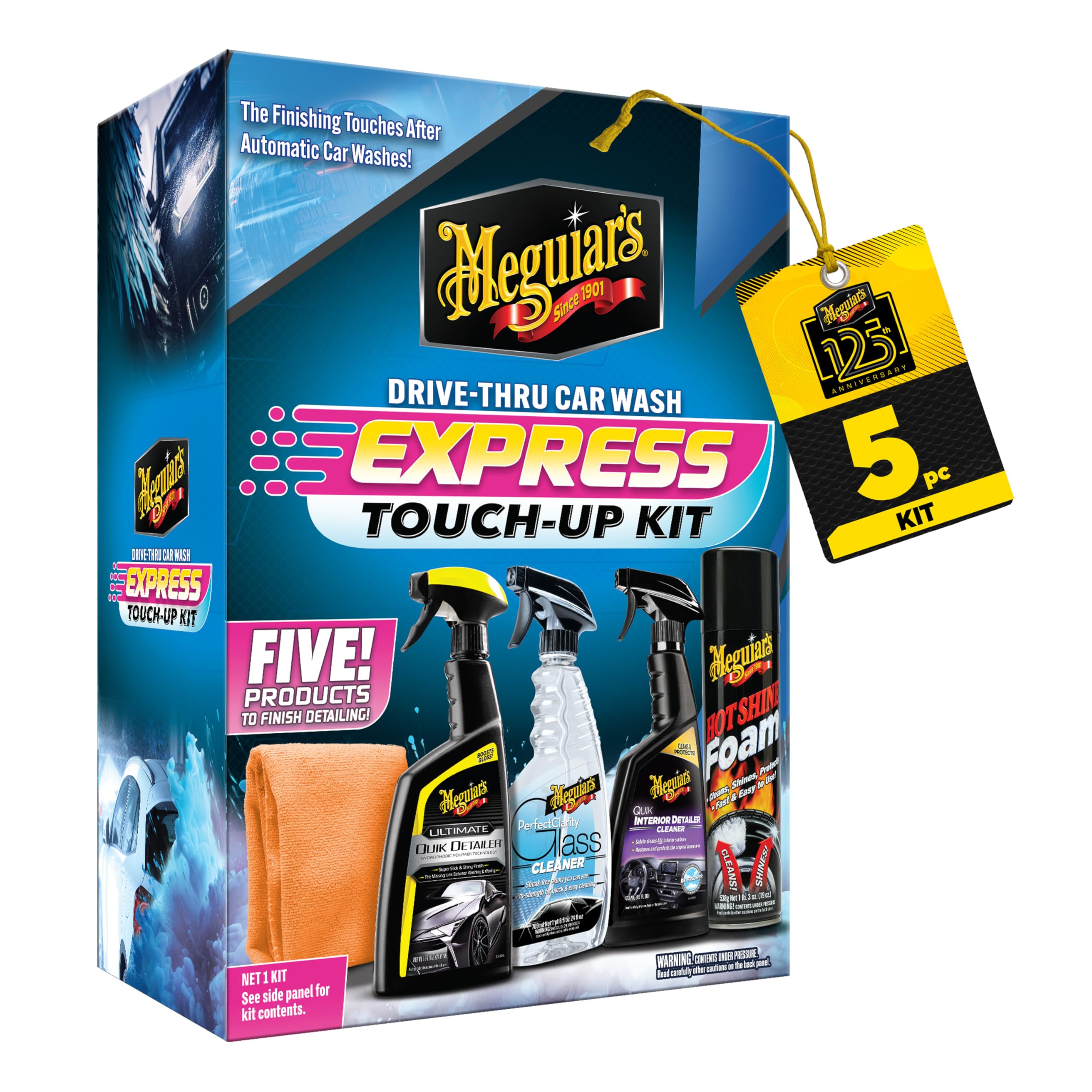
I keep a small “cleaning kit” in the trunk. It has wipes, gloves, a spare mask, and a microfiber cloth. That way I can sanitize between trips if needed. I also carry a small trash bag for used tissues or wipes. If someone vomits, I handle that area first and isolate the soiled items in a sealed bag.
Credit: www.amazon.com
Frequently Asked Questions: How to Sanitize Car Interior After Illness
How Do I Disinfect My Car After Someone Is Sick?
Use EPA-approved disinfectants on high-touch areas like the steering wheel, door handles, and seat belts. Wipe each surface thoroughly and allow it to air dry. Open windows to ventilate the cabin and reduce airborne germs. For electronics, apply disinfectant to a cloth first, not directly to the device.
What Cleaning Products Work Best For Car Interior Sanitizing?
Disinfectant wipes or sprays with at least 70% alcohol work well. EPA-registered disinfectants are a reliable choice. Avoid household bleach on trim and leather. Choose products labeled safe for plastic, fabric, vinyl, and leather to prevent damage. Always read product labels and follow contact time directions.
How Often Should I Sanitize My Car Interior During Illness?
If someone in your household is sick, sanitize high-touch surfaces after each trip. For milder exposure, clean high-touch spots daily and do a full interior clean at least once while the person is contagious. Frequent cleaning lowers the chance of spreading germs to others.
Can I Use Household Cleaners To Sanitize My Car Interior?
Some household cleaners are safe, but many are too harsh for car interiors. Avoid strong bleach, ammonia, or concentrated solvents on trim and leather. Use automotive-approved products or household disinfectants that the label lists as safe for plastics and fabrics. When in doubt, test a small hidden spot first.
Conclusion
Sanitizing your car after illness helps protect you and others. Focus on high-touch items like door handles, steering wheel, gear shift, and seat belts. Use EPA-approved or 70%+ alcohol disinfectants that won’t harm surfaces. Vacuum, treat soft surfaces carefully, and dry everything fully. Ventilate the car to clear out odors and airborne particles.
A regular cleaning routine and a small kit kept in the car make the job easy. These actions reduce the risk of recontamination and keep your car fresh and healthy. Simple habits give big protection for every ride.

I am Julian Drive, an automotive enthusiast and repair expert with over 7 years of hands-on experience in vehicle maintenance. At Carora Hub, I simplify complex car issues into easy-to-follow DIY guides to help drivers stay safe and save on repair costs.