Are Toyota 4Runner seat covers waterproof? No, not all of them are. Some seat covers are made from water-resistant materials, but few are fully waterproof. The level of protection depends on the material and design of the cover. For example, vinyl or rubberized covers offer more resistance to water than fabric ones. However, even these may not keep your seats completely dry in heavy rain or spills.
What You Need to Know About Toyota 4Runner Seat Covers
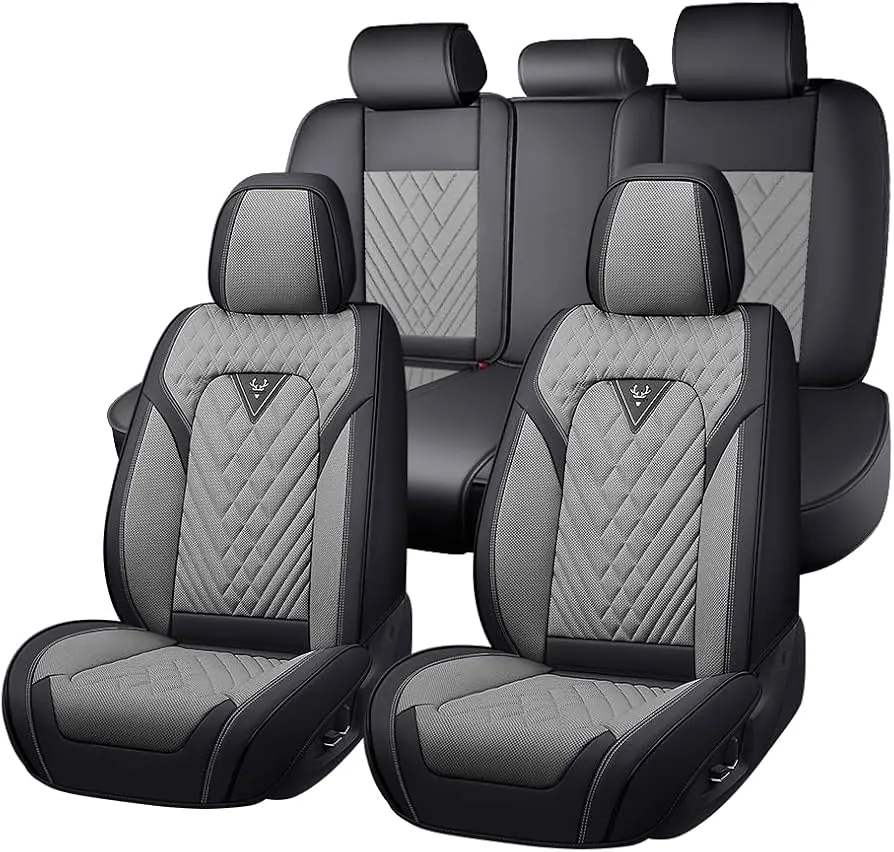
Not all seat covers are waterproof, and this distinction matters more than you might think. Many people assume that any cover will keep their seats dry, but fabric options, for instance, tend to absorb water rather than repel it. This can lead to mold growth or a damp interior if the vehicle is frequently exposed to rain or spills.
Water-resistant seat covers, on the other hand, are made from materials like vinyl or rubber, which offer a level of protection against moisture without being fully waterproof. These are better suited for environments where exposure to water is common, such as in areas with frequent rain or for vehicles used in outdoor activities.
When shopping for seat covers, it’s important to check the product description carefully. Manufacturers often specify whether a cover is water-resistant or fully waterproof, and these details can vary significantly between brands and models. A cover labeled as “water-resistant” may not be suitable for heavy downpours or prolonged exposure to water, while a “waterproof” cover is designed to handle such conditions.
If you’re looking for extra protection, especially for off-road use or in harsh weather conditions, consider seat covers specifically designed for rugged or outdoor environments. These are typically built with reinforced materials and additional seams to prevent leaks. Understanding the difference between water-resistant and waterproof options ensures you choose the right cover for your needs, avoiding unnecessary damage or discomfort later on.
Why Seat Covers Vary in Waterproofing Ability
Why do some seat covers work better in wet conditions than others? It comes down to the materials used and how they’re treated. Vinyl and rubber are naturally water-resistant because their molecular structure doesn’t allow water to pass through easily. These materials are often used for outdoor gear, like tents or tarps, and that’s why they can be good choices for seat covers.
On the other hand, fabric seat covers — especially those made from cotton, polyester, or microfiber — aren’t waterproof. They can absorb water, which means they might hold moisture and lead to mold or mildew over time. Even some synthetic fabrics, like nylon or polyurethane, may not be fully waterproof unless they have a special coating or treatment.
If you’re looking for a seat cover that resists water, choose one with a waterproof rating or look for terms like “water-resistant” or “outdoor use” in the product description. However, even these may not be fully waterproof in extreme conditions, like heavy rain or flooding. A study by the American Society for Testing and Materials (ASTM) shows that no consumer-grade seat cover is completely waterproof under all circumstances.
When the Answer Is Different
| Situation | What Changes | What to Do Instead |
|---|---|---|
| Using a fabric cover | It absorbs water | Choose a water-resistant or waterproof material |
| Heavy rain exposure | Water seeps through | Use a cover with a waterproof rating |
| Spills or leaks | Liquid soaks into fabric | Clean immediately and consider a waterproof option |
| Looking for full protection | No cover is 100% waterproof | Combine with a seat protector or use a car cover |
| Driving in harsh weather | Standard covers fail | Invest in a high-quality, waterproof cover |
The effectiveness of a cover depends on the conditions it faces. A fabric cover may work well in light rain but will absorb water when exposed to heavy downpours. This can lead to mold and mildew over time if not addressed.
When spills or leaks occur, quick action is essential—cleaning the cover right away prevents permanent staining and damage. However, some materials are more prone to absorbing liquids than others, making them less suitable for environments where accidents are common. If full protection is needed, no single cover can guarantee complete waterproofing. Combining a cover with additional layers like a seat protector adds an extra line of defense.
In extreme weather, standard covers often fall short due to their construction and materials. Choosing a high-quality, waterproof cover designed for harsh conditions ensures better durability and performance. The difference between a basic and a premium cover becomes clear when tested under pressure, revealing how much each can withstand before failing. Understanding these variations helps in selecting the right solution for the specific needs of the situation.
How to Choose a Waterproof Seat Cover
-
Look for materials like vinyl, rubber, or coated polyester. These materials are known for their resistance to water and ability to repel moisture. Vinyl is particularly effective in heavy rain but may crack in extreme cold, while rubber offers flexibility but can degrade over time with UV exposure. Coated polyester is a lighter option that balances durability and breathability.
-
Check the product label for a waterproof rating or certification. A higher IP (Ingress Protection) rating, such as IP67 or IP68, indicates better protection against water. However, not all covers will have this rating, so look for terms like “fully waterproof” or “water-resistant” on the packaging. Be cautious of vague claims like “weather-resistant,” which may not offer full protection from heavy downpours.
-
Consider the thickness and durability of the cover — thicker covers often offer better protection. Covers that are at least 0.5mm thick tend to be more resilient against punctures and abrasions. Thinner options may tear easily, especially when exposed to sharp objects or rough surfaces. If you frequently drive through mud or over rocks, prioritize a sturdier material.
-
Ensure the cover fits your 4Runner model properly to avoid gaps. Ill-fitting covers can allow water to seep in through the edges, defeating the purpose of the cover. Measure your vehicle’s dimensions and compare them with the product specifications. Some covers come with adjustable straps or elastic edging to ensure a snug fit.
-
Read customer reviews to see how well the cover handles water. Pay attention to comments about performance during heavy rain or prolonged exposure to moisture. Negative feedback regarding leaks or deterioration after a few uses can help you avoid unreliable products.
-
Test the cover with a small amount of water before relying on it for full protection. Spray the cover with a hose or pour water over it to check for any leaks or weak spots. This simple test can reveal issues that aren’t immediately visible in product photos or descriptions.
-
If using a fabric cover, clean it regularly to prevent mold or mildew buildup. After each use, wipe it down with a damp cloth and allow it to air dry completely. Stagnant moisture trapped in fabric can lead to unpleasant odors and damage to the material over time.
-
Store the cover in a dry place when not in use to maintain its effectiveness. Avoid storing it in a damp garage or basement where humidity can cause the material to degrade faster. A cool, dry location will help preserve the integrity of the cover for longer.
The Mistakes That Ruin Your Seat Cover
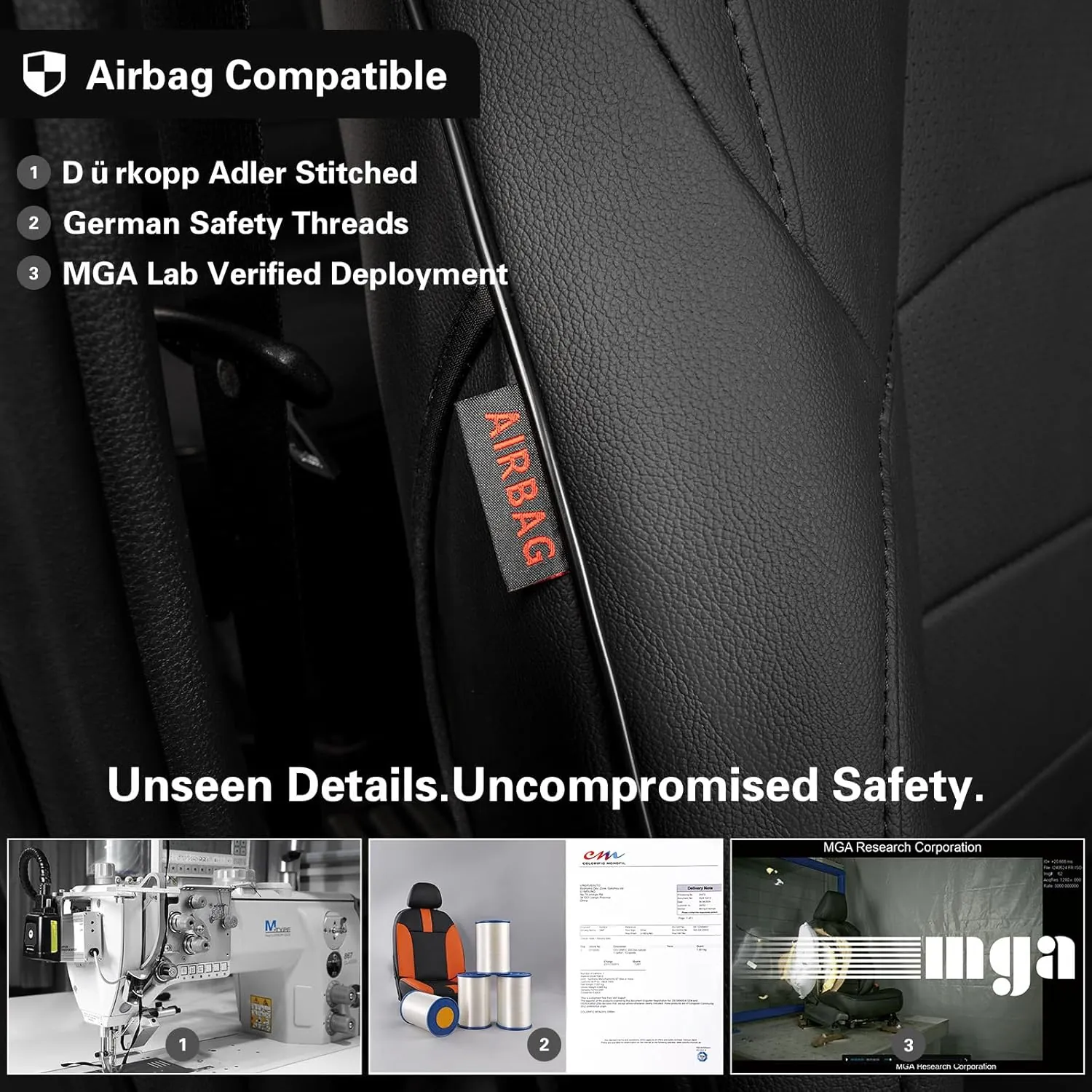
Choosing a fabric cover without checking its water resistance can lead to soaked seats and mold. A common oversight is assuming that all fabric covers are equally resistant to moisture, but many only offer light protection against splashes or brief exposure to rain.
If you’re using your seat in an environment where it might be exposed to frequent or heavy moisture — such as near a pool, in a humid climate, or during outdoor events — you should look for a cover with a higher waterproof rating, typically measured in millimeters of water column (mmWC). A rating of 1,000 mmWC or higher is generally suitable for most outdoor conditions.
Not cleaning a fabric cover after spills or rain can cause long-term damage. Even small amounts of liquid left on the surface can seep into the fibers, leading to staining, mildew, and eventual degradation of the material. It’s important to wipe down the cover promptly with a damp cloth and allow it to dry completely.
For tougher stains or persistent odors, use a mild detergent specifically designed for outdoor fabrics. Avoid using harsh chemicals or bleach, which can break down the fibers and reduce the cover’s lifespan.
Using a low-quality vinyl cover that cracks or peels reduces its effectiveness. Vinyl is often chosen for its durability and ease of cleaning, but not all vinyls are created equal. Lower-grade vinyl may lack UV stabilizers, making it more prone to cracking and discoloration when exposed to sunlight. Look for covers made from high-density polyethylene (HDPE) or reinforced vinyl with added UV protection. These materials are more resistant to wear and tear and will maintain their integrity over time.
Failing to secure the cover properly allows water to seep in through gaps. Many seat covers come with straps or elastic edging to help keep them in place, but if these aren’t tightened or adjusted correctly, wind or movement can lift the edges, letting water and debris enter. Always ensure that the cover is snug and fits the seat contours well. If necessary, use additional fasteners or clips to prevent shifting.
Assuming a cover is fully waterproof when it’s only water-resistant can lead to unexpected issues. Water-resistant covers are designed to repel water to some extent but aren’t entirely impermeable. In situations where the cover might be exposed to prolonged or heavy rainfall, this distinction can make a significant difference. Always check the product description for specific details about its water resistance rating and suitability for your intended use.
Related guides
- How to Choose Seat Covers for Toyota Prius: Ultimate Buyer’s Guide
- How to Install Toyota Sienna Seat Covers: Easy Step-by-Step Guide
FAQs Of Are Toyota 4Runner seat covers waterproof
Are there any Toyota 4Runner seat covers that are fully waterproof?
No, no standard seat cover is 100% waterproof. Most are either water-resistant or made from materials that resist water but may still allow some absorption.
Can I use a regular fabric seat cover for my 4Runner?
Yes, but it won’t protect against water. Fabric covers are best for light use or dry environments.
How do I know if a seat cover is water-resistant?
Look for labels that say “water-resistant” or check the product description for waterproof ratings.
What happens if I use a fabric cover in the rain?
The fabric will likely absorb water, leading to damp seats and possible mold growth.
Is it safe to use a vinyl seat cover?
Yes, as long as it’s installed correctly and doesn’t trap heat or cause discomfort.
Does a waterproof seat cover affect the warranty?
It depends on the manufacturer. Some warranties may void if non-approved products are used.
How long does a vinyl seat cover last?
With proper care, a vinyl cover can last several years, though it may crack or fade over time.
Can I use a waterproof seat cover with a heated seat?
It depends on the cover’s design. Make sure it doesn’t block heat sensors or interfere with the heating function.
Conclusion
If you’re looking for better protection, consider adding a waterproof seat cover made from materials like PVC or heavy-duty nylon. These can offer more reliable defense against moisture. Check reviews and material specs before buying to make sure they fit your 4Runner’s needs and lifestyle.

I am Julian Drive, an automotive enthusiast and repair expert with over 7 years of hands-on experience in vehicle maintenance. At Carora Hub, I simplify complex car issues into easy-to-follow DIY guides to help drivers stay safe and save on repair costs.