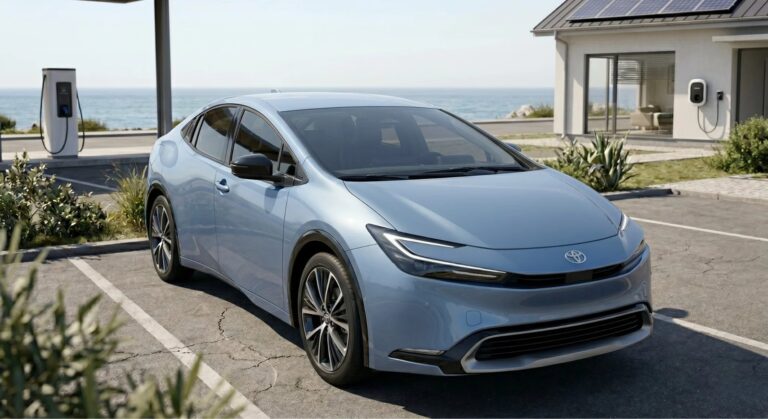
Are you curious about how the battery life of a Prius hybrid stacks up against that of a fully electric vehicle? Understanding the differences can save you money and help you choose the right car for your needs.
Your battery’s lifespan affects not only how far you can drive but also the long-term cost and reliability of your vehicle. You’ll discover the key factors that impact battery life in both Prius hybrids and electric vehicles. By the end, you’ll feel confident making an informed decision that suits your lifestyle and budget.
Keep reading to unlock the truth about these two popular battery types.
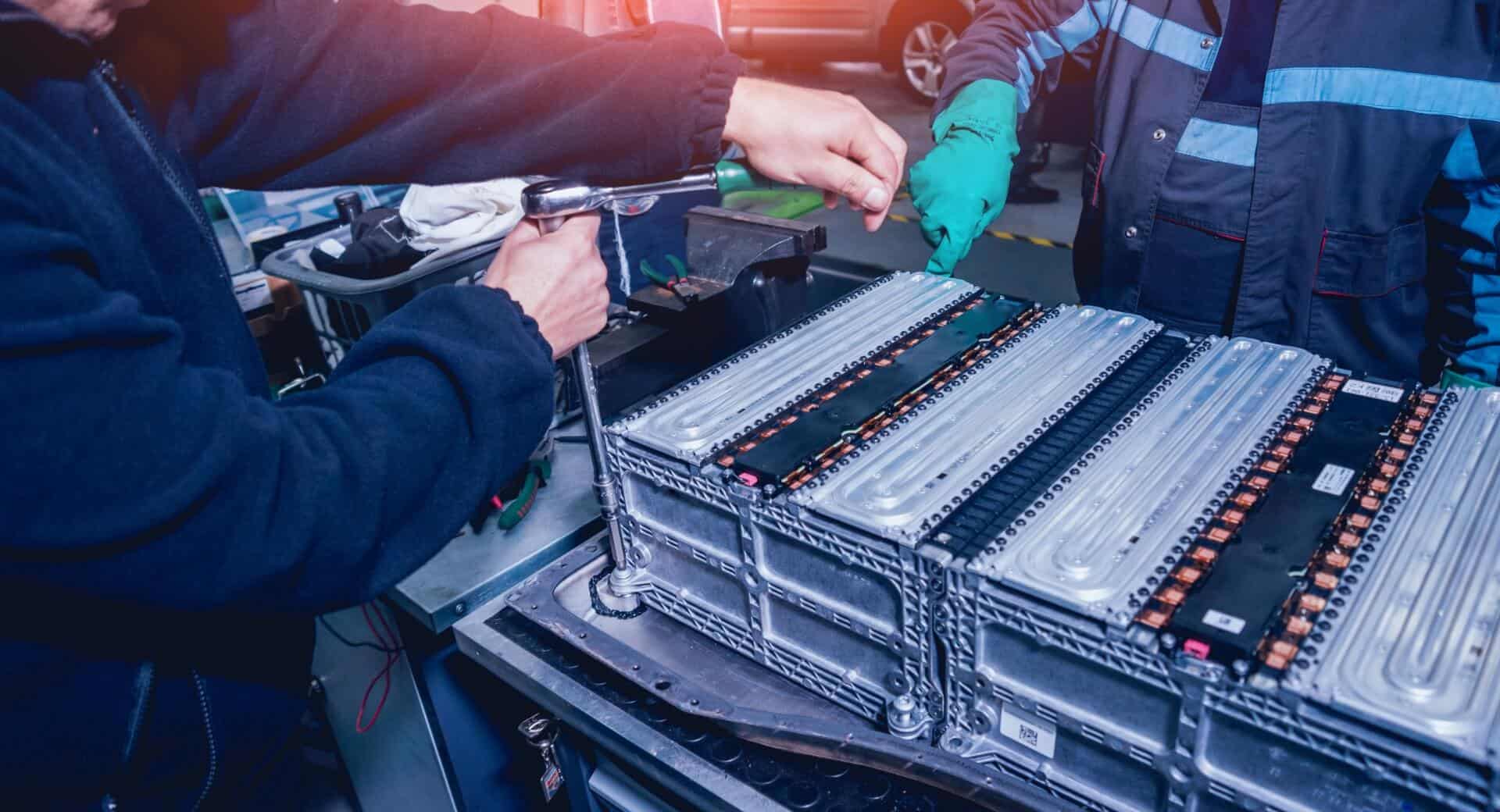
Credit: earthlingauto.com
Prius Hybrid Battery Basics
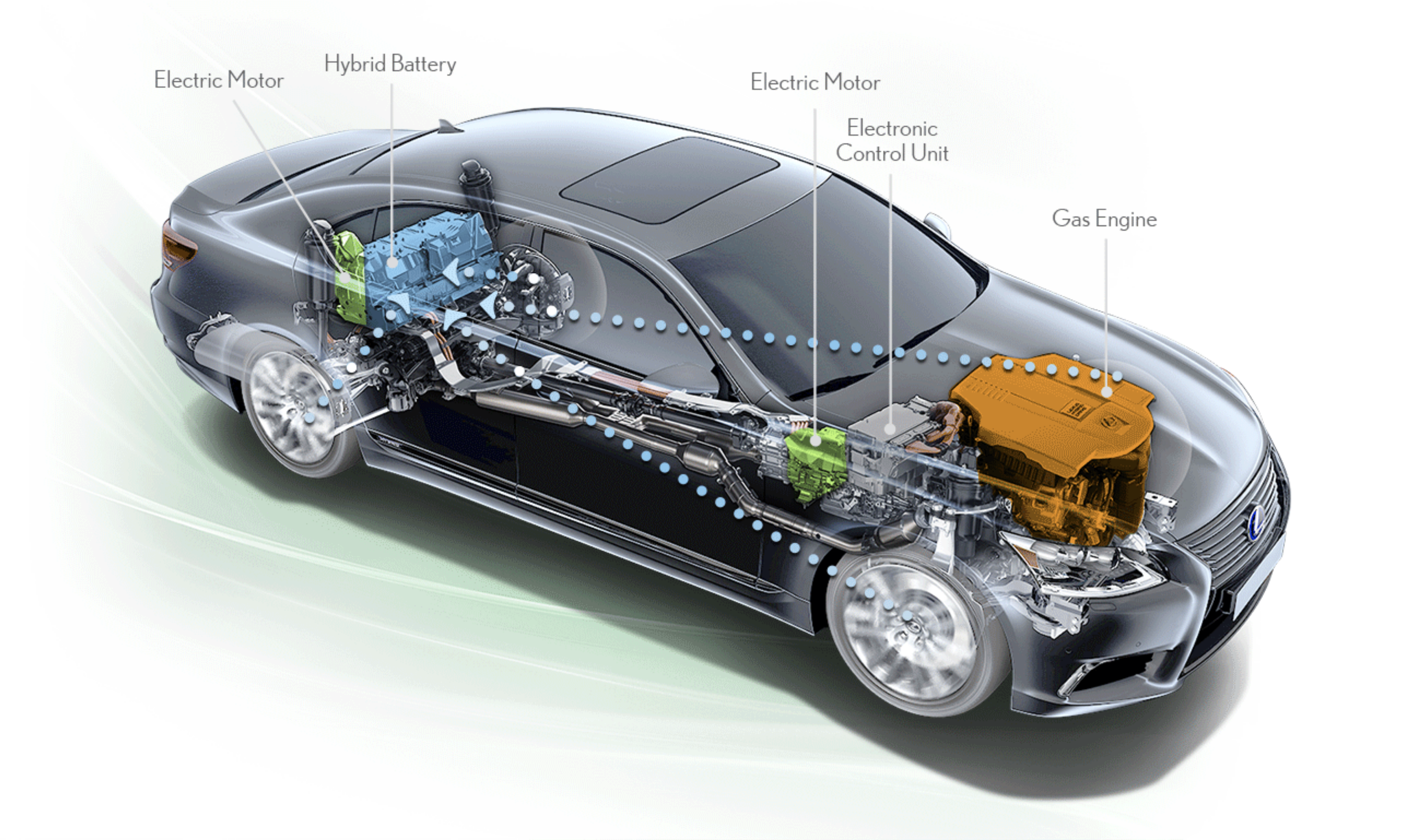
The Prius hybrid battery is central to how the car saves fuel and cuts emissions. It stores energy captured during braking and from the engine. The electric motor uses that energy during low-speed driving, start-up, and to assist when you accelerate.
I’ve worked with hybrids and driven a Prius for years. From that experience, the battery’s job is different than an EV’s. A Prius battery is tuned for short, frequent bursts of power. It is not designed to carry the car on long, all-electric trips like EV batteries do.
Battery Types In Prius
Prius models use either nickel-metal hydride (NiMH) or lithium-ion cells. Early Prius models mostly used NiMH. Newer models and plug-in hybrids may use lithium-ion for lighter weight and improved energy density. Both work well for hybrid duty cycles.
NiMH is robust and tolerates frequent partial charges. Lithium-ion gives more usable energy per kilogram. Still, both are sized smaller than EV packs because hybrids rely on a gasoline engine to fill in.
Battery Capacity And Design
Prius batteries have much lower capacity than EV batteries. They focus on power density for short bursts. Capacity is measured differently in hybrids. The pack is compact to preserve passenger and cargo space.
Design choices balance weight, cost, and durability. The battery is paired with a hybrid control system that blends engine and electric power. That setup reduces the stress on the battery during heavy loads.
Typical Lifespan Expectations
Prius batteries usually last 8 to 10 years. Many reach 150,000 miles or more before replacement. With careful driving and regular checks, owners often see even longer life.
Because the gasoline engine shares the load, hybrid batteries face less deep cycling than EV packs. That typically results in slower capacity loss over time.
How to extend a Prius battery’s life
From my hands-on work and driving, small habits help a lot. Keep software up to date. Avoid leaving the car in extreme heat or cold for long stretches. Drive gently when the battery is cold and avoid prolonged high-load stops. Follow the manufacturer’s maintenance schedule for the hybrid system.
Electric Vehicle Battery Basics
Electric vehicle (EV) batteries store all the energy for driving. That makes them larger and more complex. EV battery health determines range, charging speed, and performance. Small changes in battery health can meaningfully change how far you go on a single charge.
EV battery design and care differ from hybrids. EV drivers need to manage charge levels and temperature closely. I’ll explain the main battery types, capacity ranges, and expected lifespans so you can compare clearly.
Common Ev Battery Technologies
Most EVs use lithium-ion batteries today. Variants include lithium iron phosphate (LFP) and nickel manganese cobalt (NMC) chemistries. Some EVs use lithium-polymer cells. Each chemistry changes the trade-offs: energy density, cycle life, safety, and cost.
LFP is gaining popularity for better cycle life and safety, though it has lower energy density. NMC offers higher range but often uses cobalt and nickel, which raise cost and environmental concerns.
Battery Capacity Variations
Battery capacity is measured in kilowatt-hours (kWh). Small city EVs may have 20–30 kWh. Mid-size cars often sit around 40–75 kWh. Large SUVs or long-range models can exceed 100 kWh. More kWh means longer range but adds weight and cost.
Average Lifespan Of Ev Batteries
EV batteries commonly last 8 to 15 years. This depends on usage, climate, and charging habits. Many EVs keep 70–90% of their original capacity after 100,000 miles. Warranties often cover 8 years or 100,000 miles, which shows manufacturer confidence.
Charging habits that help EV battery life
To prolong an EV battery, avoid charging to 100% every day unless you need the full range. Keep the State of Charge (SoC) between about 20% and 80% for daily use. Limit frequent fast DC charging when possible. Park in shade in hot climates and use the car’s thermal management when charging in cold weather.
Performance And Durability
Performance and durability drive real owner experience. Both Prius hybrid batteries and EV batteries can last a long time. They do so for different reasons. Here I break down how charge cycles, temperature, and care shape lifespan and reliability.
Charge Cycles And Degradation
Charge cycles count how many times a battery moves through a full charge equivalent. Prius batteries see many partial cycles. They rarely go from 0% to 100%. EV batteries often have deeper discharges if the driver uses full range daily.
Deep cycles speed up wear. Hybrids get a benefit here. They use both engine and motor to limit deep cycling. EVs start with larger capacity, so some loss is expected while still leaving useful range.
Temperature Impact On Battery Life
Heat is the enemy of battery life. High temperatures raise internal resistance and accelerate chemical breakdown. Cold reduces power and available range temporarily. Over time, repeated exposure to heat shortens life for both NiMH and lithium-ion cells.
Prius models benefit from an internal combustion engine that helps heat management in some designs. EVs need active thermal management (liquid cooling or heating) to keep cells in their ideal range. A well-designed cooling system makes a big difference.
Maintenance And Care
Routine checks help both hybrid and EV batteries. For hybrids, regular diagnostics and hybrid-system servicing catch issues early. For EVs, software updates and monitoring State of Health (SoH) through onboard systems are key.
Avoid frequent full fast-charges, extreme temperatures, and deep discharges. These steps add years to a battery’s useful life and delay expensive replacements.
Battery Management Systems and diagnostics
Modern cars include a Battery Management System (BMS). The BMS controls charging speed, cell balancing, and thermal limits. A good BMS reduces uneven cell wear and prevents unsafe conditions. Ask your dealer about the BMS features when you buy. Regular diagnostic scans reveal early warnings on cell imbalance or capacity loss.
Signs your battery needs service or replacement
Watch for reduced range, more frequent warning lights, or loss of power during acceleration. For hybrids, rough idle or poor fuel economy may indicate battery trouble. For EVs, sharp drops in range or long charging times are red flags. If you see these signs, get a professional battery test. Early diagnosis often saves money.
Cost Implications
Cost plays a big role in choosing between a Prius hybrid battery and an electric vehicle battery. You should weigh upfront price, expected replacement cost, warranties, and long-term fuel or charging savings. Below I break down the main cost points and give practical examples.
Replacement Costs
Prius hybrid batteries cost less to replace than most EV packs. Hybrid batteries are smaller and have a simpler pack design. EV batteries are larger and more complex. Replacing an EV pack can cost several thousand dollars to tens of thousands depending on make and model. Prius battery replacement typically stays under $3,000 in many cases.
Also consider reconditioning or partial-module replacement for hybrids. Sometimes replacing only failing modules saves money versus swapping the full pack.
Battery Warranty Coverage
Both Prius hybrids and electric vehicles include battery warranties. Prius batteries often have coverage for 8 to 10 years or 100,000 miles. EV battery warranties are commonly 8 years or 100,000 miles as well, and some brands offer longer terms. Warranties usually cover significant capacity loss or defects, which lowers cost risk for early years.
Long-term Value
Hybrid batteries tend to last 8 to 10 years with proper care. EV batteries can last 10 to 15 years or longer, especially with careful charging habits and good thermal management. Upfront, EVs cost more. Over time, EVs can save money on fuel and maintenance. A Prius keeps fuel costs low with a lower initial price and cheaper battery service in many markets.
Comparing total cost of ownership (TCO)
Think beyond the sticker price. Add fuel or electricity costs, maintenance, expected battery replacement, and resale value. For short, mixed commutes, a Prius can be cheaper. For long daily electric-only miles, an EV may be cheaper long-term. Use local energy prices and your driving profile to model TCO for 5–10 years.
Environmental Impact
The environmental impact of Prius hybrid batteries and electric vehicle batteries matters. Both help cut tailpipe emissions. But battery manufacturing, resource extraction, and end-of-life handling bring environmental costs. Here I outline the main impacts and practical steps to reduce them.
Battery Recycling Processes
Recycling recovers valuable metals and reduces waste. Batteries contain lithium, nickel, cobalt, and other materials that can be reused. Prius batteries often use NiMH chemistry, which has established recycling routes. EV lithium-ion packs require more advanced recycling technology. Improving recycling reduces the need for new raw materials and limits pollution.
Resource Extraction Concerns
Mining for lithium, cobalt, and nickel uses water and can damage ecosystems. Prius hybrid batteries generally need fewer rare metals than some EV chemistries. That makes hybrids lighter on raw material demand in many cases. Still, responsible sourcing and better recycling are essential to reduce harm.
Sustainability Of Battery Materials
Researchers are exploring safer, more abundant materials. Solid-state chemistry, silicon anodes, and LFP cells reduce reliance on scarce metals. Better pack design and reuse programs improve sustainability. Choosing vehicles with transparent supply chains and strong recycling programs helps the planet.
Second-life and reuse for EV batteries
Many EV batteries still have usable capacity after being retired from cars. These “second-life” batteries can power homes or grid storage. Reusing large packs postpones recycling and gets more value from the materials. This practice lowers lifecycle emissions and improves sustainability.
Real-world User Experiences
Real owners tell the full story. Lab numbers matter, but real use shows how batteries behave over years. Below I summarize common owner reports and practical fixes I’ve seen in workshops.
Prius Owner Battery Reports
Many Prius owners report hybrid batteries lasting 8 to 12 years. Some see 15 years with careful driving and regular service. Replacements are not common for well-maintained cars. When issues show up, they are often gradual. Owners notice reduced electric assist and slightly worse fuel economy before a failure.
Ev Owner Battery Feedback
EV owners often notice range loss after several years and many miles. Typical ranges drop slowly. Frequent DC fast charging can speed that decline. Many drivers appreciate built-in battery health displays. Warranty protection and dealer diagnosis help when capacity falls faster than expected.
Common Issues And Solutions
Common issues include capacity loss, cell imbalance, and thermal stress. Solutions I recommend: avoid extreme SoC ranges, reduce repeated fast charging, and follow scheduled service. Use professional diagnostics to target failing modules. Replacing only the damaged modules or reconditioning packs can be a cost-effective repair strategy.
Future Trends In Battery Technology
Battery tech is evolving fast. New chemistries and pack designs aim to extend life, reduce cost, and speed charging. These changes will affect both hybrids and EVs. Below I highlight the key trends that matter to buyers and owners today.
Advancements In Hybrid Batteries
Hybrid packs are getting more efficient. Better cell chemistry, smarter management, and improved cooling help hybrids last longer. Manufacturers are also using lighter cells to improve fuel economy without sacrificing durability.
Emerging EV Battery Innovations
EVs are moving toward solid-state cells, faster charging, and silicon-enhanced anodes. Solid-state promises higher energy density and better safety. Faster charging tech reduces time at public chargers. These advances should help EV batteries last longer and become more practical for more buyers.
Impact On Battery Lifespan
New chemistries and smarter BMS tools will lower degradation. That means fewer replacements and better resale values. Both hybrid and EV owners will benefit as battery packs become more robust and cheaper to make and recycle.
What this means for buyers today
If you buy today, prefer vehicles with strong BMS, proven chemistry, and clear warranty terms. Look for brands with recycling or second-life programs. That future-proofing improves long-term value and lowers risk.
Credit: greenbeanbattery.com
Frequently Asked Questions
How Long Does A Prius Hybrid Battery Last?
A Prius hybrid battery typically lasts 8 to 10 years or 100,000 to 150,000 miles. Proper maintenance can extend its life. Environmental conditions and driving habits also affect longevity. I’ve seen well-cared-for packs last 12–15 years in mild climates.
What Is The Lifespan Of An Electric Vehicle Battery?
Electric vehicle batteries generally last 8 to 15 years, depending on usage and care. Most EVs retain 70–90% capacity after 100,000 miles. How you charge, climate, and pack chemistry affect longevity. With newer chemistries and better BMS, expect lifespan improvements over time.
How Do Prius And Ev Batteries Differ In Durability?
Prius batteries are designed for frequent partial cycles and regenerative braking. That reduces deep discharge stress. EV batteries often face deeper discharges but use advanced cooling and cell balancing to protect cells. EVs sometimes have longer warranties and start with larger capacity, which mitigates wear in early years.
Can Prius Batteries Be Replaced Or Repaired Easily?
Yes, Prius batteries can be replaced or repaired by specialists. Reconditioning, module replacement, or full pack swaps are all viable options. Costs vary, but hybrid battery work is often less expensive than a full EV pack replacement. Always get a professional diagnosis to choose the most cost-effective route.
Bottom Line
Prius hybrid and electric vehicle batteries each have strengths. Prius batteries last a long time in everyday use. EV batteries deliver higher range but can face faster wear if not managed well. Both types need attention to charging habits, heat exposure, and periodic checks.
Think about how you drive. If you make short trips and value lower replacement costs, a Prius hybrid is a solid choice. If you drive many all-electric miles and want lower running costs, an EV makes more sense. Either way, choosing cars with strong BMS, good warranties, and clear recycling plans gives you the best long-term outcome.

Hello, I’m Norman. I work as a car researcher. I am the voice behind CaroraHub. I have over 15 years of experience. I give simple and useful car advice. I help with car care, cleaning, and small repairs. My goal is to help you keep your car healthy. I want car care to be easy and cheap for you. You can trust my tips to keep your car working well for a long time.