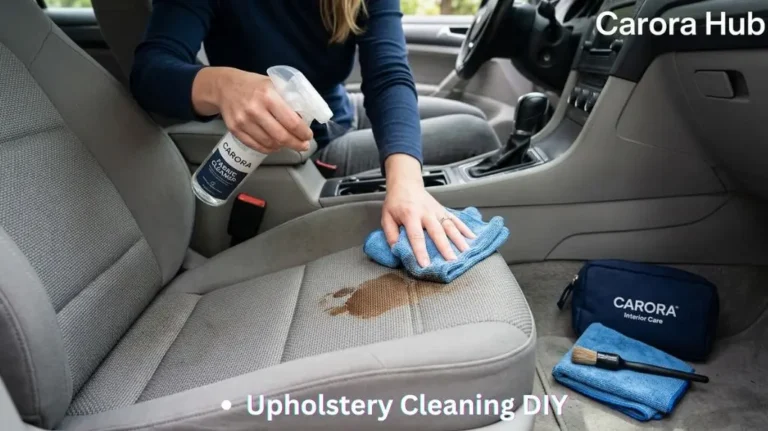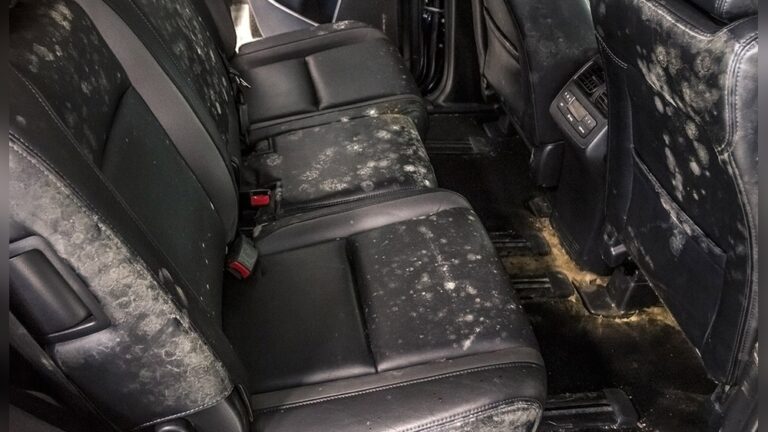
I want my car to look and smell clean. I’m sure you do too. But car seat stains are one of those annoyances that keep showing up. Drinks spill. Food falls. Sweat builds up. Pets have accidents. All of that leaves seats that look tired and smell bad. So I often ask myself: can I use laundry detergent to clean car seats? Laundry soap removes tough clothing stains why not tackle upholstery the same way?
In this article I’ll walk you through what works and what doesn’t. You’ll learn when laundry detergent is a good, low-cost option and when it’s a bad idea. I explain how it works, show safe step-by-step methods, cover risks, and share pro tips from my experience. I’ll also compare detergent to other cleaners and give solutions for different seat materials.
Understanding Car Seat Materials
Before you grab a cleaning bottle, identify your seat material. Each material reacts differently to cleaners, water, and scrubbing. Knowing what you have will help you avoid damage and pick the right method.
Cloth Car Seats
Most standard cars use cloth seats. They’re usually polyester or nylon blends. These fabrics soak up spills and stains, but they stand up well to mild, water-based cleaners when used correctly. From my experience, cloth responds best to a light, diluted detergent solution and quick drying to avoid mildew.
Leather Car Seats
Leather seats look great but need gentle care. Harsh chemicals and too much water strip natural oils. I never use regular laundry detergent on true leather. Instead I choose leather-specific cleaners and conditioners to clean and protect the hide.
Vinyl Car Seats
Vinyl upholstery is common in trucks and older cars. It resists water and is easier to wipe clean. Still, strong detergents can dry vinyl and make it brittle over time. A heavily diluted detergent and a vinyl protectant afterwards keep it soft and durable.
Suede And Alcantara
Premium cars may use suede or Alcantara. These have a soft, textured feel. They are very sensitive to moisture and cleaners. I recommend avoiding laundry detergent for these and using products made for microfibers or professional cleaning methods instead.
Knowing the material type is the first, most important step. It guides whether detergent is a safe choice and what dilution and drying steps you must follow.
How Laundry Detergent Works
Laundry detergent removes dirt, oil, and stains using surfactants and enzymes. Surfactants lift soil from fibers. Enzymes break down organic stains. Some detergents add oxygen-based bleaches or brighteners. Together, these ingredients suspend stains in water so they rinse away.
But remember: laundry detergent is tuned for clothes. Clothes get soaked and rinsed in a washer. Car seats do not. Excess soap or water left behind can cause residue, odors, or mold. That’s why dilution, testing, and rinsing matter.
Can You Use Laundry Detergent On Car Seats?
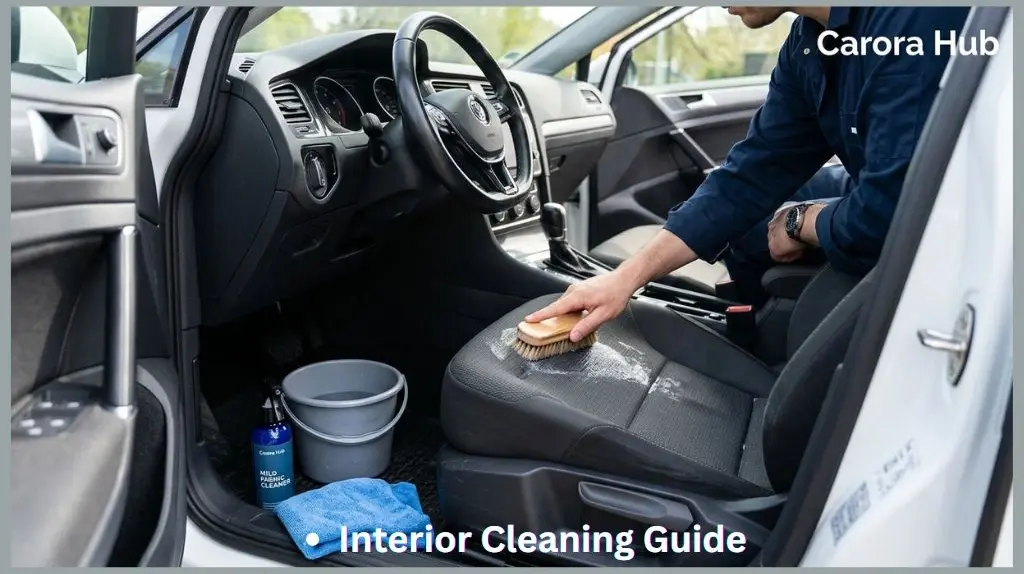
Short answer: yes for many cloth seats, but with care. From my hands-on work cleaning cars, laundry detergent can be effective and budget-friendly for fabric seats. There are clear rules to follow to avoid problems:
- Laundry detergent must be diluted in water.
- Avoid using it on leather, suede, Alcantara, or untreated specialty fabrics.
- Never pour detergent directly onto a seat.
- Always test a hidden spot first to check for color change or damage.
Follow those precautions and you’ll get good results on cloth and many synthetic fabrics.
How To Clean Car Seats With Laundry Detergent
Cleaning car seats with laundry detergent works well when you keep it simple. Below I share the safe, step-by-step process I use. Keep your motions gentle and your solution weak.
1. Gather Your Supplies
You’ll need:
- A bucket of warm water (about 1 gallon)
- 1-2 teaspoons of liquid laundry detergent (unscented is best)
- A soft-bristle brush or microfiber cloth
- A vacuum cleaner
- Clean towels
2. Vacuum The Seats
Start by vacuuming thoroughly. I remove crumbs, pet hair, and dry soil first. That keeps grit from getting scrubbed into the fabric.
3. Prepare The Cleaning Solution
Mix 1–2 teaspoons of liquid detergent into a gallon of warm water. Stir to make light suds. The mix should be soapy, but not strong. If you need to treat a small spot only, use 1 teaspoon per ½ cup water for spot work.
4. Test In A Hidden Spot
Dab the solution on a hidden area, like under the seat or near a seam. Wait 10 minutes. Check for fading, color bleed, or texture change. If the seat looks the same, proceed.
5. Clean The Seats
Dip your cloth or brush, then wring it out well. Scrub gently in small circles. Work a section at a time. Don’t soak the fabric. I keep a second towel nearby to blot excess moisture as I go.
6. Wipe Away The Suds
Use a clean cloth dampened with plain water to remove soap. Rinse and repeat until all suds are gone. Leaving detergent behind causes sticky residue and attracts dirt.
7. Dry Thoroughly
Blot with a dry towel. Open doors or windows and let air flow. If possible, park in shade and run the car fan. Drying fast prevents musty smells and mold.
Data Comparison: Laundry Detergent Vs. Other Cleaners
Here’s a clear comparison I use when choosing a cleaner:
| Cleaner | Effectiveness on Stains | Risk to Fabric | Cost | Odor Control |
|---|---|---|---|---|
| Laundry Detergent | High (on cloth) | Medium (if undiluted) | Low | Good |
| Commercial Upholstery Cleaner | Very High | Low | Medium/High | Very Good |
| Vinegar Solution | Medium | Low | Very Low | Fair |
| Baking Soda Paste | Medium | Low | Very Low | Good |
| Leather Cleaner | High (on leather) | Very Low | High | Very Good |
My takeaway: Laundry detergent is a smart, low-cost choice for cloth seats. For leather, suede, or set-in grease, a commercial or specialty product is safer and more effective.
When Not To Use Laundry Detergent
Don’t use laundry detergent in these cases:
- Leather, suede, or Alcantara seats: Detergent can strip oils and fade or harden these materials.
- Heavily soiled or greasy stains: Oil-based stains may need a solvent or enzyme cleaner to break them down.
- Sensitive passengers: Detergent residue can irritate skin or cause allergic reactions.
- No time to dry: If you can’t dry the seats thoroughly, skip water-based cleaning to avoid mildew.
Risks And Side Effects
Using laundry detergent on car seats has risks. I’ve seen each of these in real jobs:
- Residue build-up: Poor rinsing leaves sticky patches that attract dirt.
- Water stains: Over-wetting can cause rings or marks.
- Odor: Too much detergent or slow drying leads to musty smells.
- Fabric damage: Brighteners or bleach in some detergents can fade or weaken fibers.
Pro tip: Even “color-safe” detergents can fade dark fabrics, especially if the seat sits in the sun afterward. Always test first and air dry in shade when possible.
How Laundry Detergent Compares To Other Home Remedies
Many people try household items for car-seat cleaning. Here’s how detergent compares to common home remedies.
Vinegar And Water
A mix of vinegar and water is mild and safe on most fabrics. It helps with odors and light stains. It does not cut grease as well as detergent. The vinegar smell can linger until the seat dries.
Baking Soda
Baking soda absorbs odors and can lift some stains. I use it after cleaning for deep smells. Sprinkle, wait an hour or more, then vacuum.
Dish Soap
Dish soap works for light, greasy spots. It suds a lot and can be hard to rinse out. Some dish soaps have skin conditioners that leave a slippery feel. I prefer laundry detergent for fabric because it usually rinses cleaner.
Commercial Upholstery Cleaner
Commercial cleaners are engineered for auto upholstery. They clean well and leave little residue. They cost more but reduce risk of damage. For important jobs, they’re worth the price.
Steam Cleaning
Steam cleaners remove stains and sanitize without chemicals. They work well on many fabrics, but the unit cost and learning curve matter. If you own a steam extractor or take the car to a pro, that method gives great results.
Step-by-step: Deep Cleaning Cloth Car Seats With Laundry Detergent
If your cloth seats need a deep clean, follow this detailed routine I use on stubborn stains:
- Vacuum the seats. Remove all loose dirt and pet hair.
- Pre-treat heavy stains. Mix 1 teaspoon detergent with ½ cup water. Dab on stains and let sit 10 minutes.
- Scrub gently. Use a soft brush dipped in diluted detergent. Work in small circles.
- Blot, don’t soak. Use a clean towel to lift dirt and moisture after scrubbing.
- Rinse. Wipe with a cloth dampened in plain water until soap is gone.
- Dry quickly. Leave car doors open and use fans if you can to speed drying.
Expert tip: Use as little water as possible. Over-wetting lets water seep into foam and can cause mold under the upholstery.
You May Like This Article: How to Get Dog Hair Out of Car Carpet Fast
Special Considerations For Leather And Vinyl
Leather Seats
I never use regular laundry detergent on leather. It removes natural oils and can leave leather dry, cracked, or discolored. For leather use a dedicated leather cleaner or a very mild soap followed by a leather conditioner to restore oils and flexibility.
Vinyl Seats
Vinyl is tougher but not invincible. A heavily diluted detergent is OK in a pinch, but rinse well. Finish with a vinyl protectant to keep the surface supple and protected from UV damage and cracking.
Real-world Example: Cleaning A Coffee Spill
Here’s a simple case I’ve handled many times:
- Blot up fresh coffee immediately with a dry towel.
- Mix 1 teaspoon laundry detergent with 1 cup warm water.
- Use a soft cloth to dab the stain gently—don’t rub hard and spread it.
- Rinse with a separate cloth dampened with clean water.
- Dry with a towel and let the seat air dry completely.
Detergent breaks the tannins in coffee and lifts the stain. If a faint shadow remains, repeat or use a commercial stain remover for set-in marks.
Mistakes To Avoid When Using Laundry Detergent
- Using too much detergent: More soap does not mean cleaner seats. It means more residue.
- Skipping the rinse: Always remove all soap to prevent sticky spots.
- Cleaning in direct sunlight: Fast, uneven drying can cause water spots or streaks.
- Ignoring drying: Damp seats can grow mildew or develop bad odors.
- Using scented or colored detergents: These can stain or leave strong fragrances that bother passengers.
How Often Should You Clean Car Seats With Laundry Detergent?
I treat cloth seats with a deep detergent clean only a few times a year. Spot cleaning is fine more often. Over-cleaning, especially with soap and water, can weaken fibers and fade colors. For routine care, vacuum weekly and tackle spots as they happen.
Professional Insights: What Car Detailers Say
Professional detailers prefer products made for car interiors. Still, many pros told me that a mild, diluted laundry detergent works on cloth seats when used properly. They emphasize three basics:
- Test in a hidden spot first.
- Use minimal water and a weak solution.
- Dry thoroughly and quickly.
For tough stains, pros often use enzyme cleaners, extraction machines, or steam cleaning. These methods cost more but deliver deeper, longer-lasting results.
Cost Comparison: Diy Detergent Vs. Professional Cleaning
Here’s how costs usually compare in real terms:
| Method | Average Cost | Time Required | Effectiveness |
|---|---|---|---|
| Laundry Detergent (DIY) | $0.10 – $0.50 per cleaning | 30-45 minutes | Good |
| Commercial Upholstery Cleaner | $7 – $15 per bottle | 20-30 minutes | Very Good |
| Professional Detailer | $50 – $150 per session | 1-2 hours | Excellent |
DIY with detergent is the cheapest option. Professional detailing costs more but often pays off for stubborn stains, odors, or delicate materials.
Tips For Best Results
- Always vacuum first to avoid scrubbing grit into fabric.
- Use only a small amount of detergent in a lot of water.
- Rinse with clean water to remove all soap residue.
- Dry seats quickly—open windows or use fans to speed things up.
- For lingering odors, sprinkle baking soda after cleaning and vacuum after an hour.
Bonus tip: To remove pet hair, try a slightly damp rubber glove and stroke the seat. It pulls hair up so you can vacuum it away before you clean.
Environmental Considerations
Many detergents contain surfactants, fragrances, or phosphates that can harm the environment. Don’t dump leftover soapy water on the ground. Dispose of it down a sink or an appropriate drain. If you want a greener approach, use an eco-friendly laundry detergent with biodegradable ingredients.
FAQs On Can I Use Laundry Detergent to Clean Car Seats
Can I Use Powdered Laundry Detergent On Car Seats?
It’s best to avoid powdered detergents. They may not dissolve fully in small amounts of water and can leave gritty residue. Stick to liquid laundry detergent for car seats.
Will Laundry Detergent Remove Bad Smells From Car Seats?
Yes, if used properly, laundry detergent can help remove mild odors. For strong smells (smoke, pet urine), use an enzyme cleaner or baking soda in addition to detergent.
Is Laundry Detergent Safe For Car Seat Belts?
Most seat belts are made from strong synthetic fibers. You can use a diluted solution of laundry detergent and water to gently clean seat belts, but do not soak them. Always rinse well and let dry fully before use.
What If Laundry Detergent Leaves A Stain Or Residue?
If you see a sticky patch or a new stain after cleaning, wipe the area with a cloth soaked in plain water. Repeat until all detergent is gone. For stubborn residue, mix 1 tablespoon vinegar with 1 cup water and dab the area.
Can I Use Laundry Detergent In A Carpet Or Upholstery Cleaner Machine For My Car?
Yes, but only if the machine’s manual allows it. Use a very small amount of mild detergent, as too much can cause foaming and damage the machine. Rinse the seats with plain water after cleaning.
For more on car cleaning chemistry, you might find this Wikipedia article on car wash helpful.
Final Thoughts
Laundry detergent can be a practical, low-cost way to clean cloth car seats when used correctly. My method is simple: dilute, test, scrub gently, rinse, and dry fast. Never use laundry detergent on leather, suede, or specialty fabrics. Less is more too much soap or water causes more problems than it solves.
If a stain or odor won’t budge, use a commercial product made for auto upholstery or call a pro. With the right steps you’ll keep your seats looking fresh and avoid mistakes that cost time and money.

I am Julian Drive, an automotive enthusiast and repair expert with over 7 years of hands-on experience in vehicle maintenance. At Carora Hub, I simplify complex car issues into easy-to-follow DIY guides to help drivers stay safe and save on repair costs.