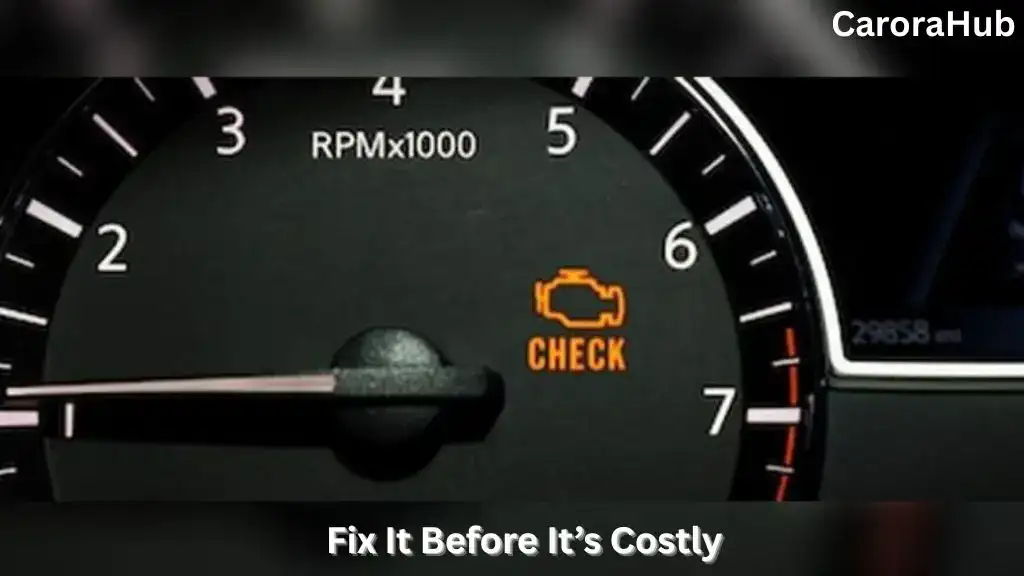
Is your Toyota Prius’s check engine light suddenly glowing on your dashboard? You might be feeling a mix of confusion and worry right now.
What does this warning mean for your car? Is it a small issue or something serious that needs immediate attention? Understanding why your Prius’s check engine light is on can save you time, money, and stress. You’ll discover the most common reasons behind this alert and what steps you can take to keep your car running smoothly.
Keep reading to find out exactly what your Prius is trying to tell you.

Credit: www.deserttoyota.com
Common Reasons For Check Engine Light
The check engine light on your Toyota Prius can turn on for several reasons. It is a warning that the car’s system has found a problem. Some issues are easy to fix. Others might need a mechanic. Knowing common causes helps you act fast and avoid bigger problems.
Here are some common reasons why the check engine light might come on.
Loose Or Damaged Gas Cap
A loose or damaged gas cap is a simple reason for the light. It can let fuel vapors escape. This affects the car’s fuel system and triggers the warning. Check the gas cap and tighten it. Replace it if cracked or broken.
Faulty Oxygen Sensor
The oxygen sensor measures the air and fuel mix. A bad sensor sends wrong data to the engine computer. This causes poor fuel economy and higher emissions. Replacing the oxygen sensor can fix the issue and turn off the light.
You May Like This Guide: How to reset maintenance light on Toyota Sienna
Malfunctioning Catalytic Converter
The catalytic converter cleans harmful gases from the exhaust. If it fails, the car will run poorly and produce more pollution. It can also cause the check engine light to stay on. A mechanic can test and replace this part if needed.
Worn Spark Plugs Or Ignition Coils
Spark plugs and ignition coils help start the engine and keep it running. Worn or faulty parts cause misfires and rough running. This triggers the check engine light. Changing spark plugs or coils usually solves the problem.
Mass Airflow Sensor Issues
The mass airflow sensor measures air entering the engine. A dirty or broken sensor disrupts fuel delivery. This leads to poor engine performance and the warning light turning on. Cleaning or replacing the sensor can restore smooth driving.

Credit: www.youtube.com
Hybrid System Alerts
The check engine light in a Toyota Prius often signals issues with the hybrid system. The hybrid system combines the gas engine with electric power. It needs special parts to work smoothly. Problems in this system can cause the light to turn on. Understanding these alerts helps keep your car safe and running well.
Many alerts come from key hybrid components. These include the battery, inverter, and braking system. Each part plays a big role in your car’s performance. Let’s look at common hybrid system alerts that may cause the check engine light.
Battery Health Problems
The hybrid battery stores and supplies electric power. It ages over time and loses efficiency. A weak or failing battery triggers the check engine light. The car’s computer monitors battery health constantly. Low battery charge or cell failure can cause alerts. Replacing or repairing the battery may be necessary.
Inverter Coolant Temperature
The inverter changes DC to AC power for the motor. It uses coolant to stay cool during operation. High inverter coolant temperature can cause damage. The system alerts you if the coolant is too hot. Overheating may result from low coolant levels or leaks. Checking and refilling coolant helps prevent this issue.
Regenerative Braking System Faults
The regenerative braking system recovers energy during braking. It sends power back to the battery to save fuel. Faults in this system can trigger the check engine light. Problems include sensor failures or wiring issues. The system needs to work correctly for efficient energy use. Repairing faults restores proper braking and battery charging.
Emission Control Concerns
The check engine light on your Toyota Prius often signals emission control issues. These systems reduce harmful gases released by your car. Problems here can trigger the warning light. Understanding these concerns helps you address the problem fast.
Evaporative Emission System Leaks
The evaporative emission system stops fuel vapors from escaping. It traps vapors in a charcoal canister. Leaks in this system cause vapor loss, raising pollution levels. Common leaks happen in the gas cap, hoses, or canister. A loose or damaged gas cap often triggers the check engine light. Fixing leaks restores proper vapor containment and clears the warning.
Exhaust Gas Recirculation Valve Malfunctions
The exhaust gas recirculation (EGR) valve lowers nitrogen oxide emissions. It recycles some exhaust gas back into the engine. A stuck or faulty EGR valve causes rough idling and poor fuel efficiency. It also raises emission levels, lighting the check engine indicator. Cleaning or replacing the EGR valve usually solves the problem. Regular maintenance keeps this valve working well.

Credit: www.reddit.com
Diagnosing The Check Engine Light
When the check engine light on your Toyota Prius turns on, it signals a problem. Diagnosing this light helps find the exact issue quickly. This saves time and money on repairs.
Simple tools and steps make diagnosis easier. You can often understand the problem yourself before visiting a mechanic. This section explains how to diagnose the check engine light.
Using An Obd-ii Scanner
An OBD-II scanner reads error codes from your car’s computer. These codes point out the problem area. You can buy or borrow a scanner for this task.
To use it, connect the scanner to the port under the dashboard. Turn on the car and follow scanner instructions. It will show codes related to your Prius’s engine.
Interpreting Diagnostic Trouble Codes
Each code means something specific. Some codes show minor issues, like a loose gas cap. Others might indicate serious engine problems.
Look up the codes in the scanner manual or online. This helps you understand what part needs attention. Knowing the code meaning guides your next steps.
When To Visit A Mechanic
Some problems need professional help. If the light flashes or the car runs poorly, visit a mechanic right away. These signs show urgent engine trouble.
For unclear codes or complex repairs, a mechanic can diagnose deeper issues. They have tools and knowledge to fix your Prius safely. Do not delay important repairs.
Preventive Tips For Prius Owners
Keeping your Toyota Prius running smoothly starts with simple preventive care. Taking small steps can avoid many common causes of the check engine light. These tips help you spot issues early and save money on repairs.
Regular Maintenance Schedule
Follow the maintenance plan in your owner’s manual. Change oil, filters, and spark plugs on time. Regular checkups catch problems before they grow. Clean or replace the air filter to keep the engine healthy. Timely service keeps the hybrid system working well.
Fuel Quality Importance
Use high-quality fuel recommended for your Prius. Low-grade fuel can cause engine knocking and poor performance. Avoid filling up at unknown or unreliable stations. Good fuel helps your engine run cleaner and reduces emissions. It also lowers the chance of triggering the check engine light.
Monitoring Hybrid System Alerts
Pay attention to hybrid system warnings on your dashboard. These alerts show battery or electric motor issues. Address them quickly to prevent bigger problems. Regularly check the hybrid battery health with a professional. Staying alert keeps your Prius efficient and reliable.
Frequently Asked Questions
What Causes The Toyota Prius Check Engine Light To Turn On?
The check engine light can turn on due to various issues. Common causes include a faulty oxygen sensor, loose gas cap, or engine misfire. It indicates the car’s computer detected a problem affecting emissions or performance.
Is It Safe To Drive With A Prius Check Engine Light?
Driving with the check engine light on is possible but not always safe. Minor issues may not affect safety, but serious problems can cause engine damage. Get a diagnostic test to identify the problem and avoid costly repairs.
How Can I Reset The Toyota Prius Check Engine Light?
You can reset the check engine light by fixing the issue and disconnecting the battery for a few minutes. However, it’s best to use an OBD-II scanner to clear codes after repairs. This ensures the light stays off if the problem is resolved.
Can A Loose Gas Cap Trigger The Check Engine Light?
Yes, a loose or damaged gas cap is a common reason for the check engine light. It can cause fuel vapors to leak, triggering the emissions system warning. Tighten or replace the cap to see if the light turns off.
Bottom Line
A check engine light on your Toyota Prius signals a problem. It could be simple, like a loose gas cap, or more serious. Ignoring the light might cause bigger issues later. Early checks save money and keep your car safe.
Trust your instincts and get your Prius checked soon. Taking action helps avoid unexpected breakdowns. Stay calm, act fast, and keep your Prius running smoothly.

Hello, I’m Norman. I work as a car researcher. I am the voice behind CaroraHub. I have over 15 years of experience. I give simple and useful car advice. I help with car care, cleaning, and small repairs. My goal is to help you keep your car healthy. I want car care to be easy and cheap for you. You can trust my tips to keep your car working well for a long time.